Guide to James Hardie Board Siding Options
October 15, 2026
If a siding replacement is on your list for 2027, fall is a useful time to start exploring your options. You can compare materials, work through color choices, and decide how much of your exterior you want to change before setting a project schedule.
For homeowners, the best modern siding ideas balance a fresh appearance with the character of the house. A warm neutral palette might be the right update for a brick-front traditional home. A ranch could benefit from stronger horizontal lines and a more defined entrance.
Current design directions offer plenty of inspiration for next year. The challenge is knowing which ideas deserve a place on your home.
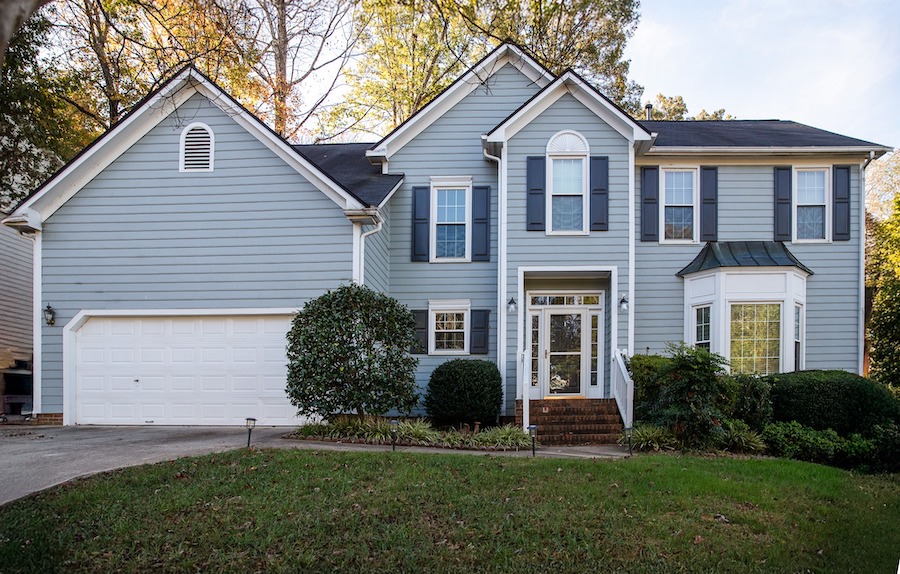
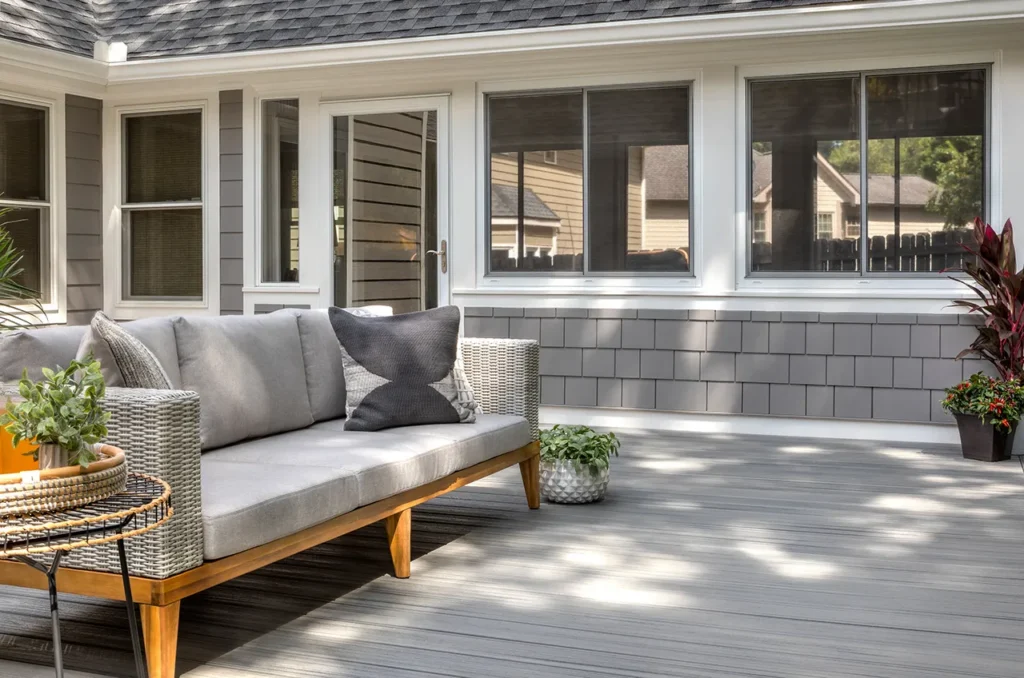
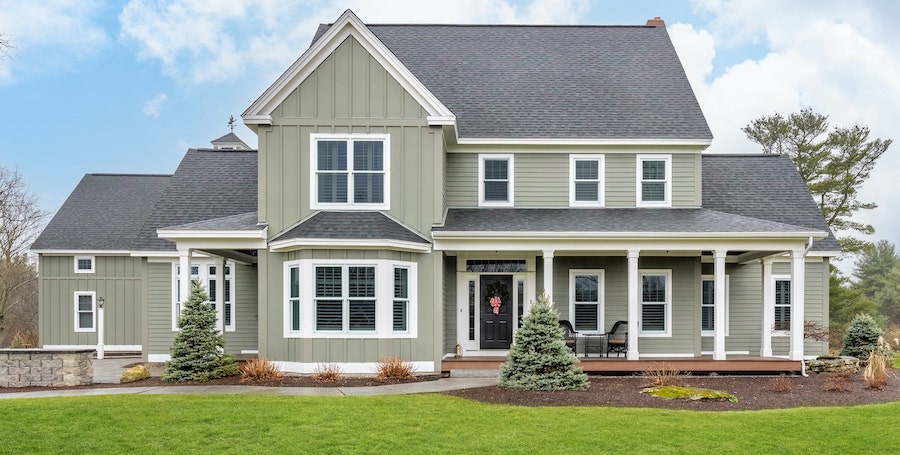
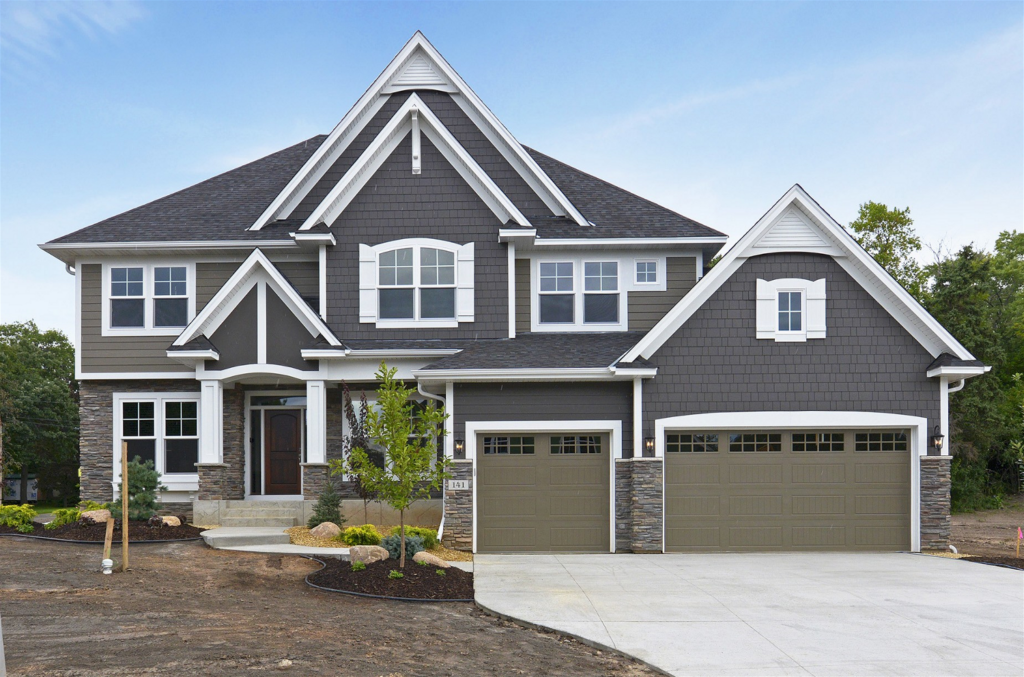

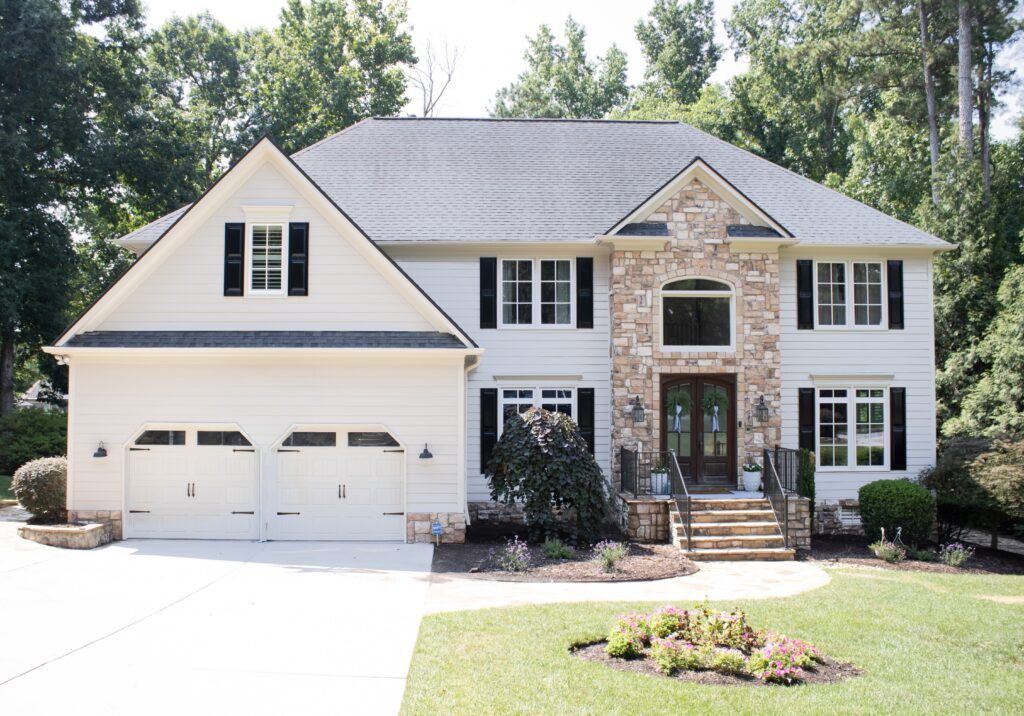
Black-and-white combinations, warm neutrals, nature-inspired greens, deep colors, and woodgrain accents are already part of today’s exterior design landscape. Their continued influence into 2027 is a reasonable outlook, although no trend forecast can determine what will work best on an individual house.
The most useful takeaway is a move toward intentional combinations. Color, texture, and siding orientation should contribute to a clear overall design.
That leaves room for different approaches. Simple lap siding can look modern with the right trim and color. Board-and-batten can suit a traditional home when used selectively. An updated exterior does not need every trending feature to feel complete.
Siding color influences almost every other exterior choice. Start with the features you plan to keep:
Use these fixed elements to narrow your options before choosing a favorite shade.
Warm neutrals provide a calm background for landscaping and can help connect new siding with existing brick or stone.
Watch the undertones. One taupe may lean pink beside your brick; another may look green against the roof. Compare samples directly on the house rather than relying on the color name.
Earthy shades introduce more color while maintaining a connection to natural surroundings. They are worth exploring for homes with mature landscaping or warm masonry.
Check each elevation before committing. A green that looks balanced on the sunny front of your home may appear much darker on a shaded side wall.
White siding paired with black windows, trim, or accents is a combination to consider for a 2027 remodel. It can highlight architectural lines across farmhouse, traditional, and contemporary homes.
Choose where you want the strongest contrast:
For a softer interpretation, pair warm white siding with charcoal accents. Wood-toned doors, porch ceilings, or natural masonry can add warmth.
If your windows will remain, use their existing finish to guide the siding and trim palette.
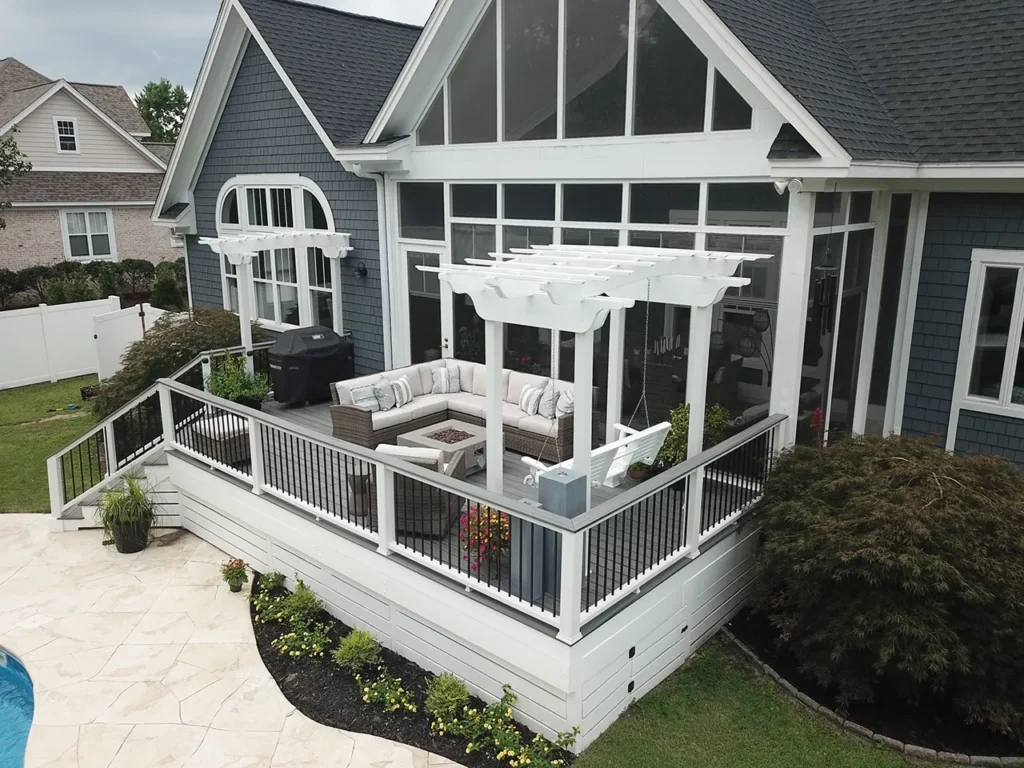
Use these pairings as starting points when comparing options for your home:
| Siding color | Possible pairing | What to check |
| White or warm white | Black windows or charcoal accents | Balance with existing windows and roof |
| Warm white or cream | Wood tones and bronze details | Compatibility with existing white finishes |
| Mushroom or taupe | Warm brick and deep brown accents | Pink, green, or yellow undertones |
| Muted olive | Cream trim and natural masonry | Appearance beside landscaping |
| Charcoal | Light stone and a wood-toned entrance | Definition in shaded areas |
Before you decide: View physical samples in morning and afternoon light. Compare siding, trim, and accent materials together so you can judge the complete palette.
Color attracts attention, but profile determines the pattern across the walls. Before combining styles, consider the home’s proportions and where you want the eye to travel.
Horizontal lap siding can create a clean, updated exterior without changing the house’s basic character. Its continuous lines are particularly useful when you want a cohesive appearance across several elevations.
For homeowners unsure about a dramatic redesign, lap siding provides a practical foundation for exploring a new color palette.
Vertical siding and board-and-batten can emphasize height or distinguish an entrance, gable, or separate building section.
They do not need to cover every wall.
When combining orientations, place transitions at architectural breaks. An arbitrary switch halfway across a wall can make the design feel unresolved.
Panel siding offers another direction for contemporary architecture. Because joints become visible design elements, their placement should coordinate with windows, doors, and wall proportions.
Evaluate the complete layout before choosing this look from a close-up product photo.
Siding combined with brick, stone, or wood tones can give an exterior depth. The strongest combinations usually have a clear hierarchy: one main material and a limited number of supporting accents. If your home already has attractive brick, start there. Choose siding that complements its undertones, then decide whether another texture adds anything useful.
Avoid assigning a different material to every gable or wall. Repeat colors or details where needed so the exterior feels connected from the front to the sides.
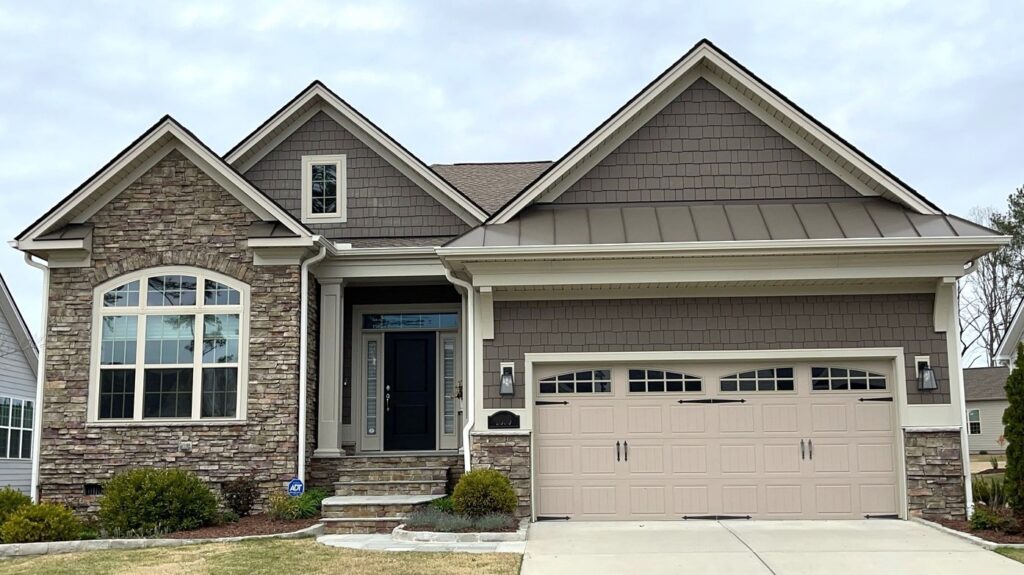
Once you have a design direction, consider how you want to maintain it. Two products may create a similar appearance while requiring different care.
Fiber cement is worth exploring for homeowners interested in lap, panel, or shingle-style siding. Carolina Exteriors provides James Hardie® fiber cement siding and offers several siding styles for Triangle-area homes.
Vinyl provides another option, with profiles and colors that vary by product. Engineered wood may appeal to homeowners seeking a wood-like texture, while natural wood brings distinctive grain and weathering characteristics. Metal can suit contemporary designs where panel lines are part of the architecture.
Compare the actual products included in your estimates. Ask about:
Cost comparisons are most useful when the scopes match. Confirm whether estimates address removal, trim, flashing, disposal, and potential repairs to underlying surfaces.
A familiar style does not become a poor choice because the calendar changes. Still, some approaches deserve a second look before you invest.
An entirely cool gray palette: Gray siding can work well, but gray stone, gray trim, and gray siding together may lack definition. Consider whether a warmer element would improve the balance.
Strong contrast on every feature: Black-and-white combinations remain an option. Using contrast selectively can give the entrance or another important feature more emphasis.
Too many accent sections: Frequent changes in texture, color, and orientation can compete with the architecture. Simplifying the design may have more impact than adding another material.
Farmhouse details copied without adjustment: Board-and-batten and decorative shutters should suit the house’s proportions. Adapt the inspiration to your home.
Bring your contractor a few reference photos and identify what you like about each one. “The warm siding color” or “the simple window trim” gives clearer direction than asking to reproduce an entire house.
Discuss the condition of your existing exterior, review every elevation, and identify any related work involving gutters, windows, or doors. Check applicable homeowners association requirements before approving colors and materials.
Starting these conversations in fall 2026 gives you time to make decisions for a 2027 project. Discuss installation timing directly with your contractor as the scope becomes clearer.
You do not need to settle every detail before speaking with a contractor. A clear sense of your priorities—appearance, maintenance, budget, and scope—provides a useful starting point.
Carolina Exteriors offers siding replacement and in-house design support for Triangle-area homeowners. Request a free consultation to explore materials, profiles, and colors for your 2027 exterior remodel.
A profile that fits the architecture is a strong starting point. Horizontal lap siding, thoughtfully placed vertical siding, and simple trim can support many design directions. Keep permanent choices cohesive, and use personal preferences to guide color and accents.
Yes. Use different orientations to define architectural sections such as an entrance, gable, or upper story. Consistent colors or coordinated trim can connect the profiles. Plan the transitions before installation so the combination looks deliberate.
Maintenance depends on the specific product, finish, exposure, and installation. Compare cleaning instructions, inspection recommendations, and repainting or refinishing needs. Ask your contractor to describe expected care in practical terms rather than relying on a general “low-maintenance” label.
Possibly. Siding in suitable condition may benefit from compatible paint, revised trim, or a selective accent treatment. Have the exterior evaluated first. Its condition and the compatibility of proposed materials will help determine whether siding repair or replacement makes more sense.
You can begin now by gathering ideas, establishing priorities, and requesting a consultation. Allow time to compare samples, review estimates, and secure any required approvals. Scheduling will depend on contractor availability, product selection, and project conditions.

Get a free, no obligation estimate.
Financing Available

Speak with one of our experience team members who can help you make the best decisions for your home. Give us a call at (984) 279-1776 or request a consultation below.
No obligation • Financing available

Carolina Exteriors is the Raleigh area’s most recommended and referred specialty replacement contracting company. Boasting an impressive 60% referral and repeat customer rate, we are the trusted professionals for James Hardie® HardiePlank siding, replacement windows, entry doors, roofing, and gutters.
© 2025 Carolina Exteriors. Sitemap Privacy Policy
Site by HipBip.co