Top 10 Siding Companies in Raleigh, NC
August 6, 2026
Siding is one of the most defining features of your home’s exterior. Its color, texture, and design shape your home’s entire look — but siding isn’t just about style. It’s your home’s first line of defense against weather, moisture, and temperature changes, playing a crucial role in insulation and energy efficiency.
If you purchased your home with existing siding, you might not know exactly what material you have or how to care for it. Learning what siding is on your home helps you understand how to clean, maintain, or replace it — and even gauge your home’s overall value.
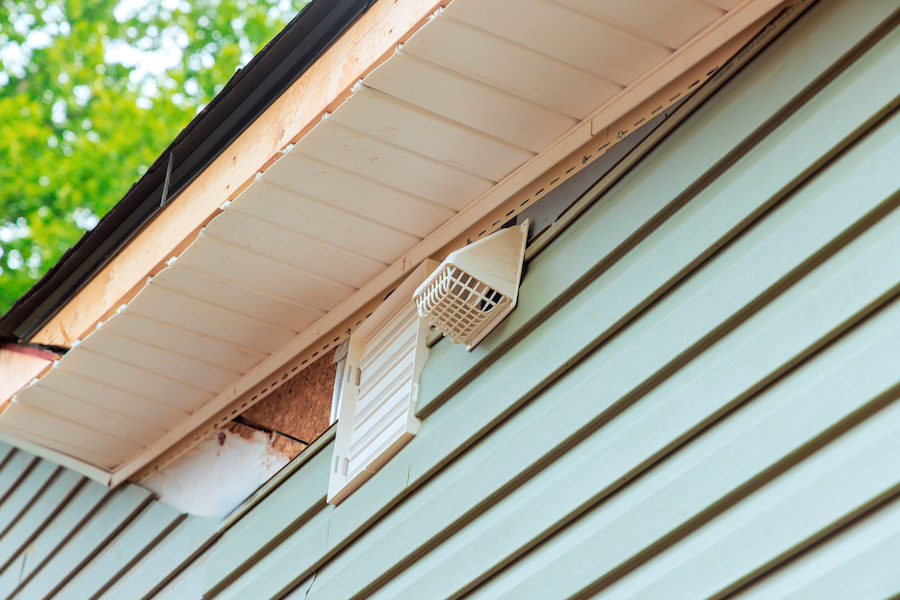
In this guide, we’ll give you the tools to address that lingering question, “What siding is on my home?”
At Carolina Exteriors Plus, we help homeowners throughout Wake County and the greater Triangle area protect and enhance their homes with expert siding inspection, repair, and replacement services. Whether you’re identifying an aging material or exploring an upgrade, our team can guide you every step of the way.
Contact us onlineor call us at (919)-886-7587 today for a free, no-pressure consultation, and let us show you how we can work together to transform your home.
Before you can figure out how to tell what siding is on your home, it’s worth understanding why this knowledge matters. Knowing what type of siding you have empowers you to make smarter decisions about maintenance, energy efficiency, and long-term upgrades.
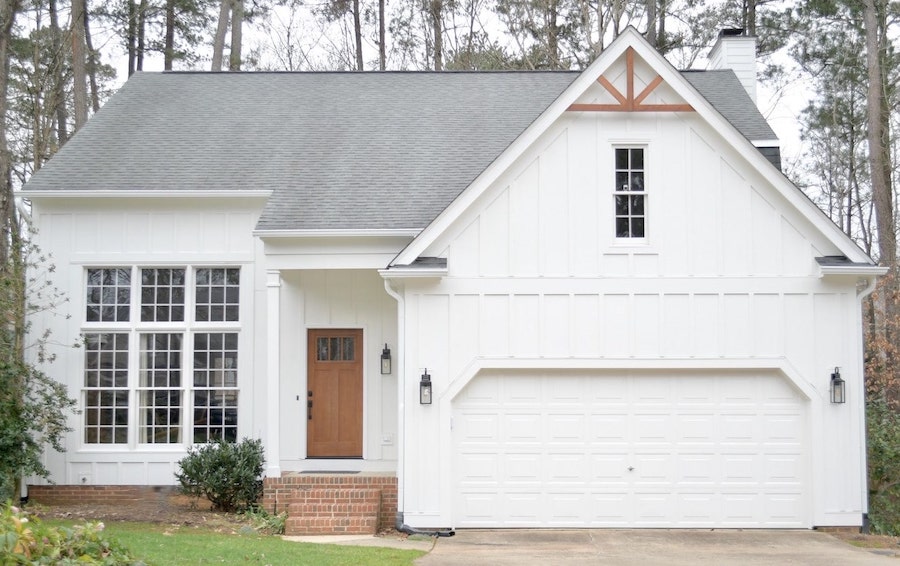
Here are four major benefits of knowing what type of siding you have:
Every type of siding material has its own unique care requirements. For example, fiber cement resists rot and pests, but may need periodic caulking or repainting. Vinyl siding, on the other hand, requires gentle cleaning and can warp under extreme heat.
Knowing your siding’s strengths and weaknesses can help you follow the right maintenance plan and avoid costly damage.
Your siding plays a major role in your home’s insulation. Understanding what siding is on your home helps you assess whether it’s helping or hindering your home’s energy efficiency. Older wood or masonite siding may allow drafts, while modern fiber cement siding provides superior durability and thermal performance.
When it’s time for repairs or a full siding replacement, identifying your current siding type ensures you get a seamless match. This maintains your home’s aesthetic and structure — and helps your contractor choose compatible materials.
Buyers and appraisers assess siding conditions as a key factor in home value. Recognizing what siding is on your home can help you decide whether it’s time for an upgrade to something more durable, like fiber cement, which consistently delivers strong return on investment.
Your siding’s appearance is more important than you might think. An investment in high-quality siding is an investment in your home’s market value. The right siding type can dramatically improve both curb appeal and long-term returns.
If your existing siding is nearing the end of its lifespan, upgrading to a fiber cement system can enhance both performance and resale value.
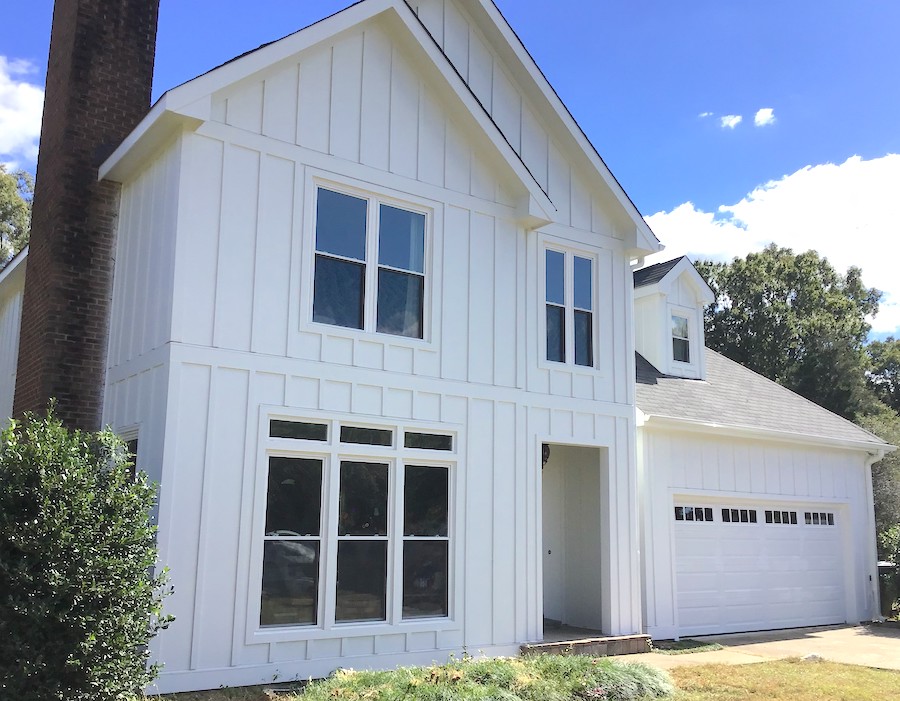
Begin by examining your home’s exterior up close. Look for key indicators such as texture, pattern, color consistency, and panel shape.
Inspect underneath panels, inside corners, or behind an outlet cover for manufacturer stamps. Brands like James Hardie, CertainTeed, and LP SmartSide often mark their products with logos or batch codes.
If you find identifying marks, you can confirm your material type directly with the manufacturer or a professional siding contractor.
Knowing when your siding was installed can narrow down the possibilities.
For older homes, consult your home inspection report or contact a siding replacement professional for help verifying the material.
If you’re still uncertain, or notice damage, it’s best to have an expert assess your home’s exterior. A siding specialist can confirm material type, assess any areas of concern, and recommend next steps.
Professionals have the training and tools to evaluate your siding accurately — saving you time and preventing costly mistakes.
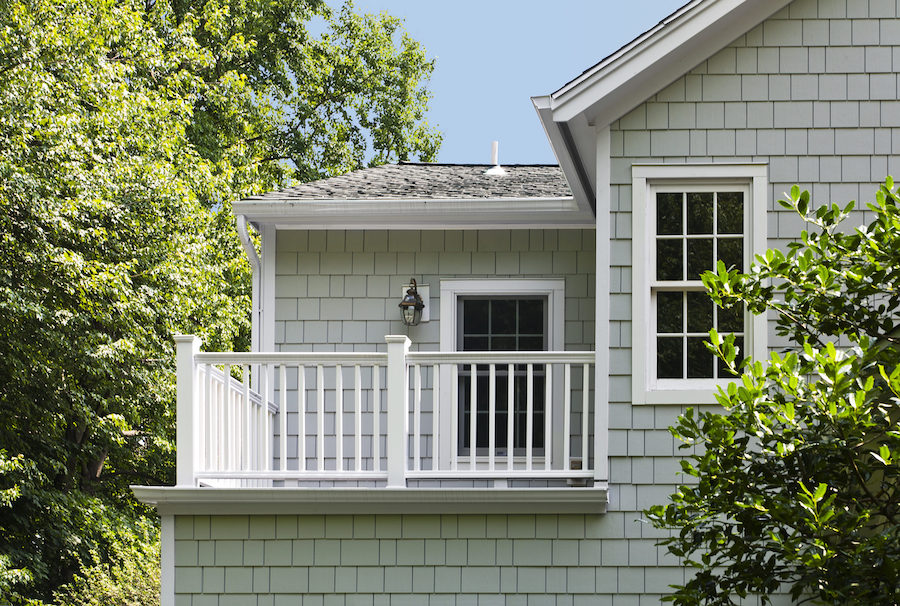
At Carolina Exteriors Plus, we install and service a variety of premium siding materials and styles — all tailored to meet the style and climate demands of Triangle area homes.
We’re proud to be an Elite Preferred James Hardie Contractor, a designation that reflects our proven craftsmanship, customer satisfaction, and adherence to best installation practices.
We service all siding types, guiding homeowners towards choices that emphasize style, durability, and longevity to ensure peace of mind and customer satisfaction.
Whether you need siding repair, full replacement, or hands-on guidance identifying your current siding, our team ensures precision, protection, and lasting results.
Serving Wake County and surrounding communities, we’re your trusted local siding specialists with a nationally recognized standard of excellence. Let us show you why we’re the go-to professionals for Wake County homeowners.
Ready to identify your siding type or explore an upgrade? Contact us online or call us at (919)-886-7587 for a free, no-pressure consultation with one of our dedicated team members.
Q: How do I know what siding is on my home?
Tap the surface — vinyl feels hollow and flexible, while fiber cement is solid and dense. You may also spot the James Hardie imprint on the back of fiber cement planks.
Q: How can I tell if my siding is fiber cement or vinyl?
Check seams and thickness: vinyl is lightweight and flexible, while fiber cement is denser and more rigid. Recognizing these characteristics confirms what siding is on your home.
Q: Is Masonite siding still used today?
No. Masonite (hardboard) siding is no longer manufactured due to its tendency to absorb moisture and swell. Understanding this helps you know what siding is on your home if your house is older.
Q: Can siding identification be done without removing panels?
Yes. In most cases, a professional inspection can identify what siding is on your home by evaluating texture, seams, fasteners, and other visible features.
Q: When should I replace my siding?
If you notice warping, cracking, bubbling paint, or water damage, it’s time to consult a siding expert to assess what siding is on your home and recommend replacement options.
Get a free, no obligation estimate.
Financing Available

Speak with one of our experience team members who can help you make the best decisions for your home. Give us a call at (919) 886-7587 or request a consultation below.
No obligation | Financing available

Carolina Exteriors is the Raleigh area’s most recommended and referred specialty replacement contracting company. Boasting an impressive 60% referral and repeat customer rate, we are the trusted professionals for James Hardie® HardiePlank siding, replacement windows, entry doors, roofing, and gutters.
© 2025 Carolina Exteriors. Sitemap Privacy Policy
Site by HipBip.co