Selling Your Home? Here’s When Siding Replacement Is Worth It
September 3, 2026
When it comes time to replace your home’s siding, understanding the differences between materials can save you time, money, and headaches down the road.
This guide explains how LP SmartSide (engineered wood) and James Hardie fiber cement siding compare in terms of durability, paint performance, climate suitability, and overall lifecycle value. By the end, you’ll have a clear picture of which siding aligns with your home’s needs and your long-term goals.
Carolina Exteriors Plus is the Triangle’s leading exterior remodeling and specialty replacement company, serving homeowners since 2010. If you’re ready to explore siding options for your home, call (919)-886-7587 or contact us online to schedule a free consultation today.
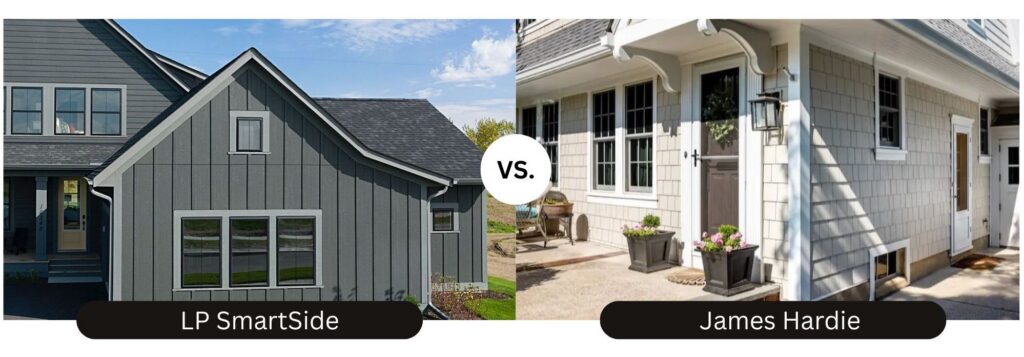
The foundation of the LP vs Hardie Board debate lies in material composition. Understanding what each siding is made of will help you see why performance differs, and guide you in making a more informed decision.
LP SmartSide is an engineered wood product made of:
This compositional combination creates a lightweight, workable product that mimics the natural look of wood while offering more durability than traditional lumber. LP SmartSide is designed to resist minor moisture exposure and insect damage, but since it still contains a wood-based substrate, it can expand, contract, or swell over time if moisture penetrates protective coatings.
James Hardie fiber cement siding is made from a cement-based composite that includes:
Because it’s largely inorganic, Hardie Board is far more resistant to moisture, rot, warping, and insect damage. It also maintains a stable shape and paint adhesion over time, even in climates with high humidity or frequent temperature swings.
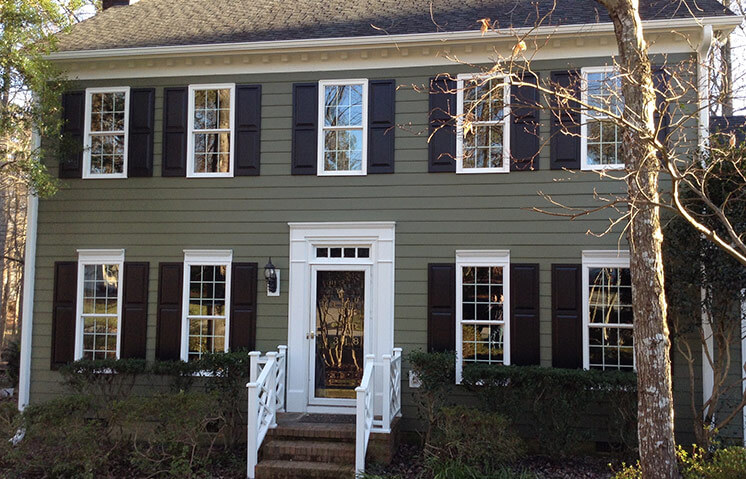
Longevity is often the primary factor homeowners consider when comparing LP vs Hardie Board. Beyond initial cost, the real question is how each siding material withstands the elements, retains structural integrity, and minimizes ongoing maintenance over decades.
James Hardie fiber cement is engineered for long-term resilience:
LP SmartSide is an engineered wood product designed to offer improved durability over raw lumber. However, because it still contains a wood-based substrate, it has inherent vulnerabilities:
By focusing on structural stability, moisture, and pest resistance, homeowners gain a clear understanding of how LP vs Hardie Board performs in terms of long-term reliability and maintenance effort, before factoring in climate-specific weather stressors.
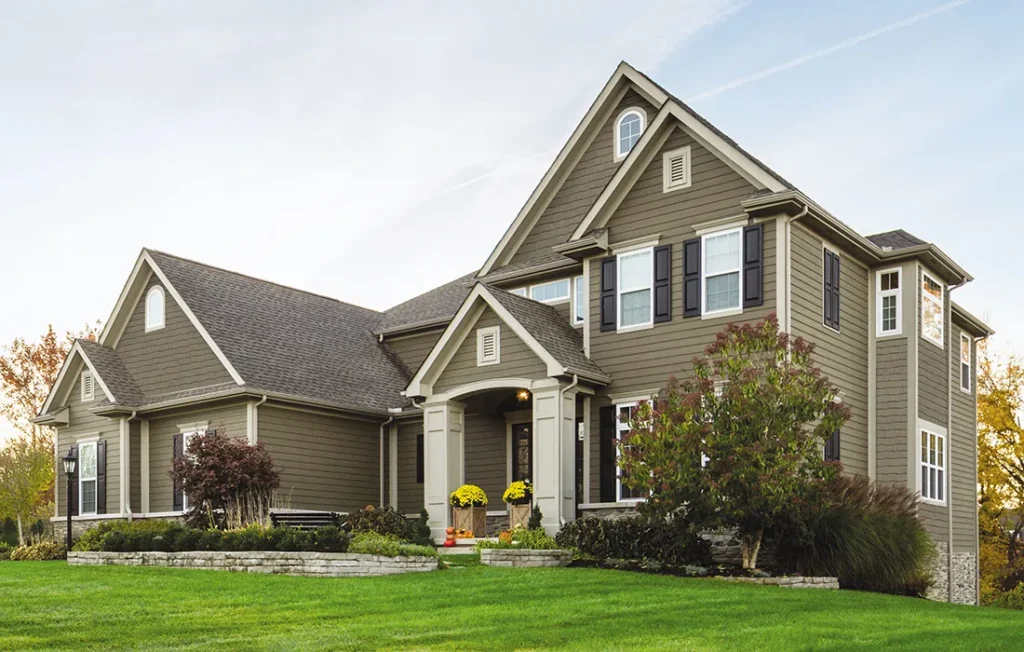
Maintenance is often an underestimated cost when evaluating siding options. Understanding what upkeep each material requires — and how that affects long-term durability and overall cost — is critical when deciding between LP vs Hardie Board.
Hardie Board is engineered to minimize maintenance while maintaining appearance and performance over decades:
LP SmartSide offers aesthetic appeal and easier installation, but it requires more attentive maintenance to retain performance:
The U.S. Department of Energy emphasizes proper installation, moisture management, and energy efficiency for siding:
Siding performance is heavily influenced by local climate. Temperature swings, humidity, rainfall, UV exposure, and pest prevalence all affect how well siding lasts and how much maintenance it will require. Understanding your regional climate is key to making an informed LP vs Hardie Board decision.
James Hardie fiber cement siding is designed to withstand challenging environmental conditions, making it particularly well-suited for regions with high moisture or seasonal extremes:
LP SmartSide can perform well in milder climates but is more sensitive to environmental stressors:
For homeowners in Wake County and other parts of the Southeast, fiber cement siding generally offers superior long-term performance because it better handles high humidity, seasonal storms, termites, and UV exposure.
Research by the U.S. Department of Housing and Urban Development notes that moisture is one of the biggest threats to a home’s structural durability, highlighting why choosing a material that resists water damage and mold, such as Hardie Board, can be especially important.
Even for homeowners outside the Southeast, evaluating local climate conditions — including precipitation, heat, humidity, freeze-thaw cycles, and pest prevalence — will guide a more informed choice between LP vs Hardie Board.
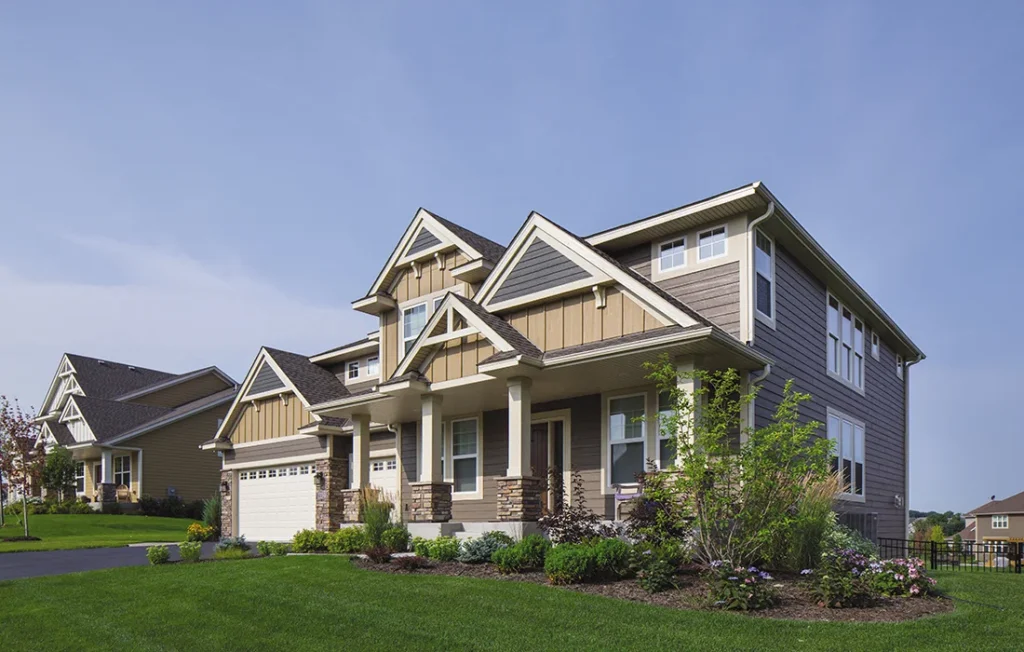
Both LP SmartSide and James Hardie fiber cement siding offer attractive finishes, but they differ significantly in texture, consistency, and long-term appearance. Homeowners often consider not just durability, but how siding complements their home’s architecture and curb appeal.
LP SmartSide mimics the look of natural wood with a warm, traditional feel:
James Hardie fiber cement siding offers a more modern and consistent finish while still providing design versatility:
While LP SmartSide emphasizes a traditional, wood-like aesthetic with warm textures, Hardie Board provides a more consistent, long-lasting finish with broader style and color options. For homeowners in Wake County and beyond, fiber cement siding allows greater creative freedom while minimizing the maintenance and weathering issues that can affect wood-based siding.
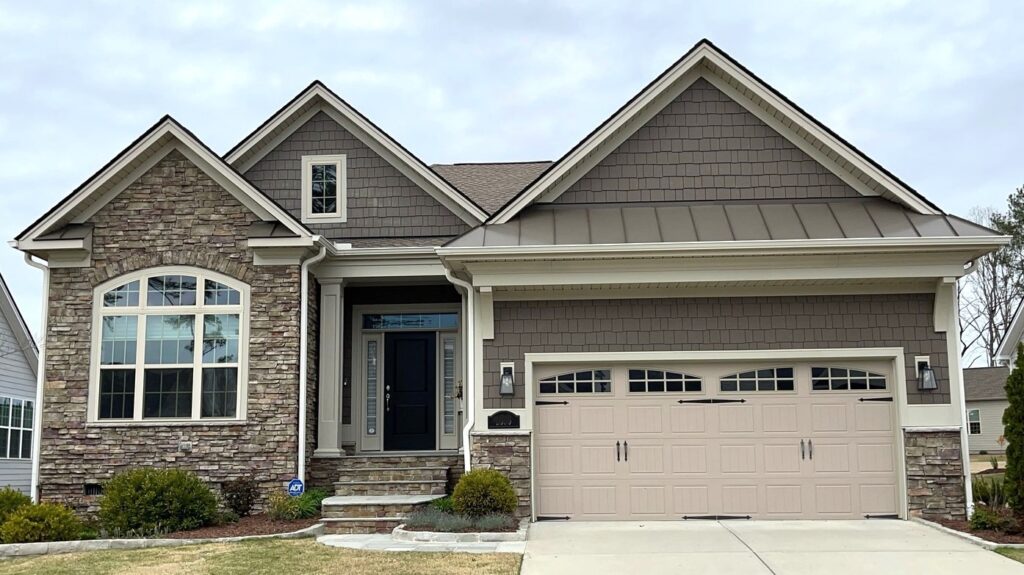
Budget is always a key factor when homeowners compare LP vs Hardie Board, but cost isn’t just the price per square foot—it’s also about long-term value and maintenance over the lifespan of your siding.
When considering cost per year of service life, Hardie Board often offers a better return on investment:
Resale value depends on buyer perception of durability, maintenance, and curb appeal. When comparing LP vs Hardie Board, these factors can affect both appraisal and marketability.
Takeaway: For homeowners in Wake County and similar climates, Hardie Board often provides stronger resale positioning, combining curb appeal, durability, and lower perceived maintenance.
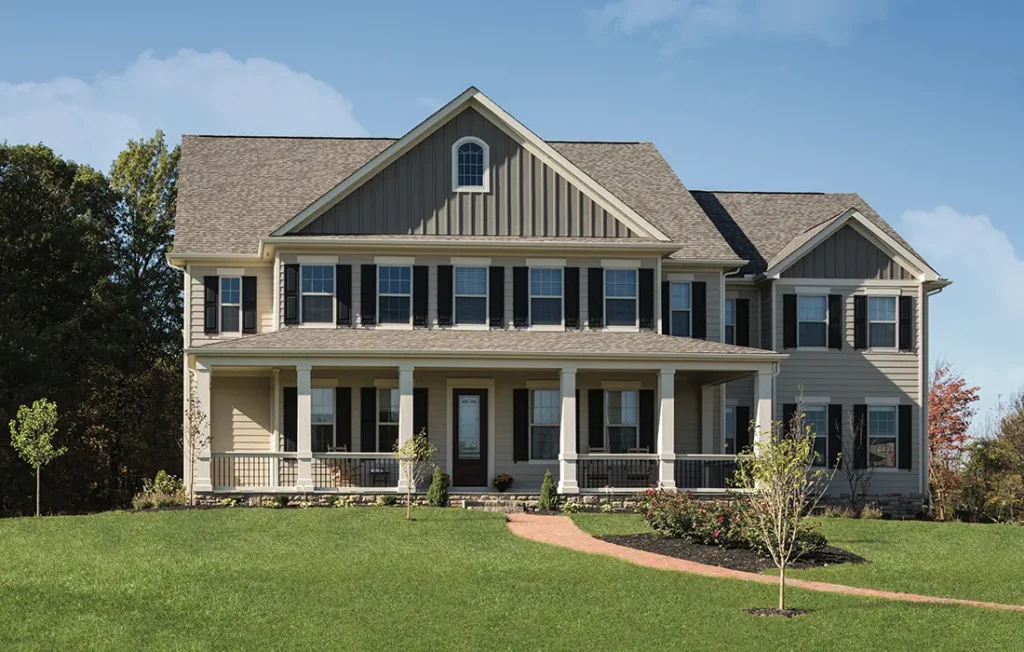
Even durable siding can wear over time. Knowing when to repair versus replace your siding helps protect your home and manage costs.
Practical Tip: Hardie Board often lasts longer with minor repairs, while LP SmartSide may require replacement sooner in humid or storm-prone climates like Wake County. Always consider a professional assessment before deciding.
| Feature | LP SmartSide | Hardie Board |
| Upfront Cost | Lower — generally more affordable and quicker to install | Higher — greater initial investment, but long-term savings |
| Aesthetic Appeal | Warm, wood-like texture; ideal for classic or historic homes | Clean, consistent profile; works for modern, contemporary, and premium looks |
| Durability | Moderate — performs well with maintenance and in dry climates | High — resists warping, moisture damage, pests, and storm impact |
| Paint & Appearance Longevity | Requires more frequent repainting and touch-ups | Maintains color and finish 15–20+ years with minimal upkeep |
| Resale Value | Good — respected product, but buyers may perceive higher maintenance | Strong — premium appearance and low-maintenance perception can boost appraisals |
| Climate Suitability | Best in dry climates with minimal moisture exposure | Versatile — excels in humid, rainy, or storm-prone regions like Wake County |
| Local Expertise / Installation | Works with general contractors | Trusted local installers like Carolina Exteriors Plus ensure precise, warranty-compliant installation |
Summary:
LP SmartSide is a cost-effective option for dry climates and budget-conscious projects, but it requires more maintenance over time.
Hardie Board, on the other hand, offers superior long-term durability, low-maintenance performance, and higher perceived value — particularly in humid or variable climates such as Wake County.
Homeowners looking for lasting protection and curb appeal often choose Hardie, especially when installed by experienced professionals like Carolina Exteriors Plus.
Even the best siding performs best when installed by experienced professionals. Proper installation or siding replacement can make the difference between a siding project that lasts decades and one that requires frequent maintenance.
Carolina Exteriors Plus has been proudly serving homeowners across the Triangle, including Apex, Cary, Raleigh, and the surrounding areas, since 2010. Our commitment to quality, efficiency, and customer satisfaction makes us an easy choice for Wake County homeowners.
What We Offer
Protect your home and enhance its beauty with siding installed by a trusted local expert. Carolina Exteriors Plus ensures every project is completed with care, professionalism, and lasting results.
Take the first step in transforming your home’s exterior, and see why homeowners across Wake County trust us for their Hardie Board siding projects. Call us at (919)-886-7587 or contact us online for a free consultation.
1. Which siding lasts longer, LP SmartSide or Hardie Board?
Hardie Board typically lasts 30–50 years or more, resisting moisture, pests, and warping. LP SmartSide has a shorter lifespan and may require more frequent maintenance in humid or storm-prone areas.
2. Which siding requires less maintenance?
Fiber cement (Hardie Board) needs fewer repairs and repainting cycles compared to engineered wood, making it lower-maintenance over time.
3. How does climate affect my siding choice?
Hardie Board performs well in humid, rainy, or freeze-thaw regions, such as Wake County. LP SmartSide is better suited for drier climates with minimal seasonal moisture variation.
4. Is Hardie Board worth the higher upfront cost?
Yes — while installation costs are higher, Hardie Board’s durability, low maintenance, and longer lifespan often result in a better cost-per-year-of-service-life and improved resale value.
5. Why should I hire a professional for installation?
Proper installation preserves warranties, ensures long-term performance, and maximizes curb appeal. Carolina Exteriors Plus has extensive experience with James Hardie siding to guarantee precise, reliable results.
Get a free, no obligation estimate.
Financing Available
Speak with one of our experience team members who can help you make the best decisions for your home. Give us a call at (919) 886-7587 or request a consultation below.
No obligation | Financing available

Carolina Exteriors is the Raleigh area’s most recommended and referred specialty replacement contracting company. Boasting an impressive 60% referral and repeat customer rate, we are the trusted professionals for James Hardie® HardiePlank siding, replacement windows, entry doors, roofing, and gutters.
© 2025 Carolina Exteriors. Sitemap Privacy Policy
Site by HipBip.co