Why You Should Replace Masonite Siding with Hardieplank
April 17, 2026
Your roof is your home’s first line of defense, and when it fails, the consequences can be dire. From storm damage to natural wear and tear, roof loss can compromise safety, energy efficiency, and property value. Knowing how to address roof loss promptly and effectively ensures your home stays protected, prevents minor issues from escalating, and can save you from footing high remediation costs.
Carolina Exteriors Plus has served homeowners across Wake County since 2010, offering expert roof repair and replacement. Whether you’re facing hail, wind, or aging shingles, our team delivers safe, professional solutions.
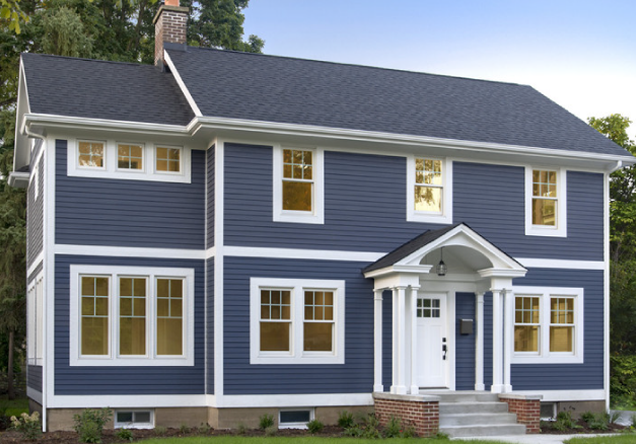
Roof loss can range from minor leaks to major structural damage. According to the U.S. Department of Housing and Urban Development, roof failures can be caused by events such as wind-driven rain, falling tree limbs, and other weather-related hazards—underscoring the importance of early detection and timely repair.
Common causes of roof loss include:
Prompt identification of damage is critical in knowing how to address roof loss. The sooner damage is spotted, the faster it can be repaired, preventing more extensive problems and higher costs—especially when it comes to moisture and water penetration. Homeowners should check both the exterior and interior structures of their roof, as well as take special precautions after storms.
Damage is often easiest to spot from outside the home. Look for:
Tip: Walk around the perimeter of your home after heavy weather to look for shingles blown off the roof or debris on the ground.
Damage is not always visible from outside — interior inspections are equally important:
Tip: Inspect the attic regularly, especially after storms, to catch early signs of hidden damage before they affect the living areas below.
Storms can cause both obvious and subtle damage. Homeowners should:
Tip: Even if damage seems minor, professional inspections can reveal underlying issues that are not immediately visible.
4 Key Steps After Roof Damage
Knowing how to address roof loss immediately can prevent further damage. If you identify signs of roof damage, follow these four key steps:
A critical part of how to address roof loss is understanding and managing the insurance claims process.
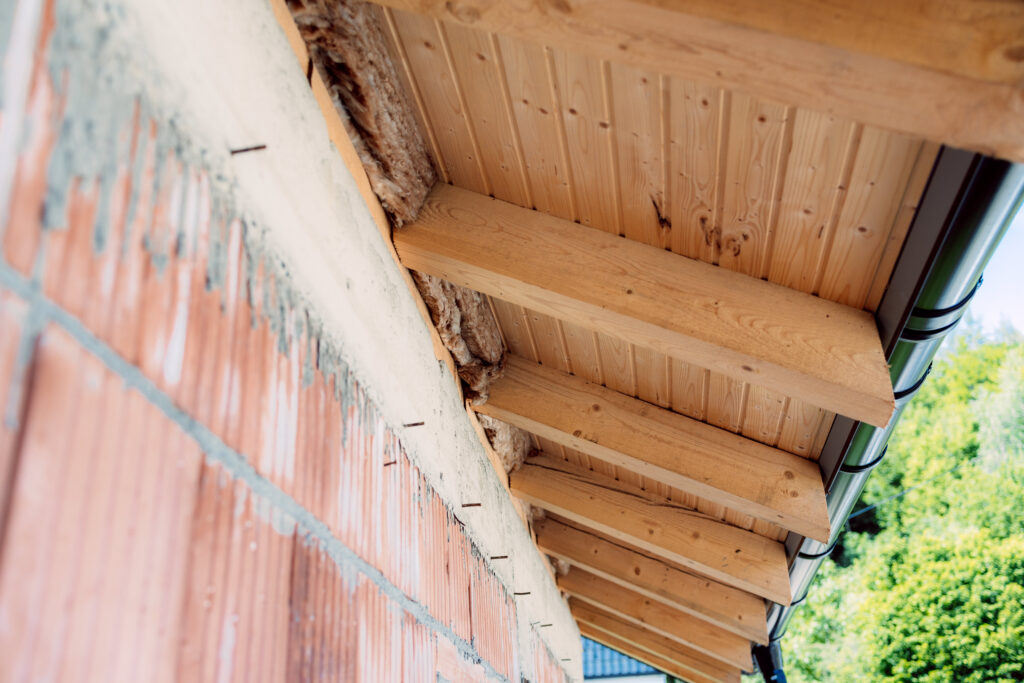
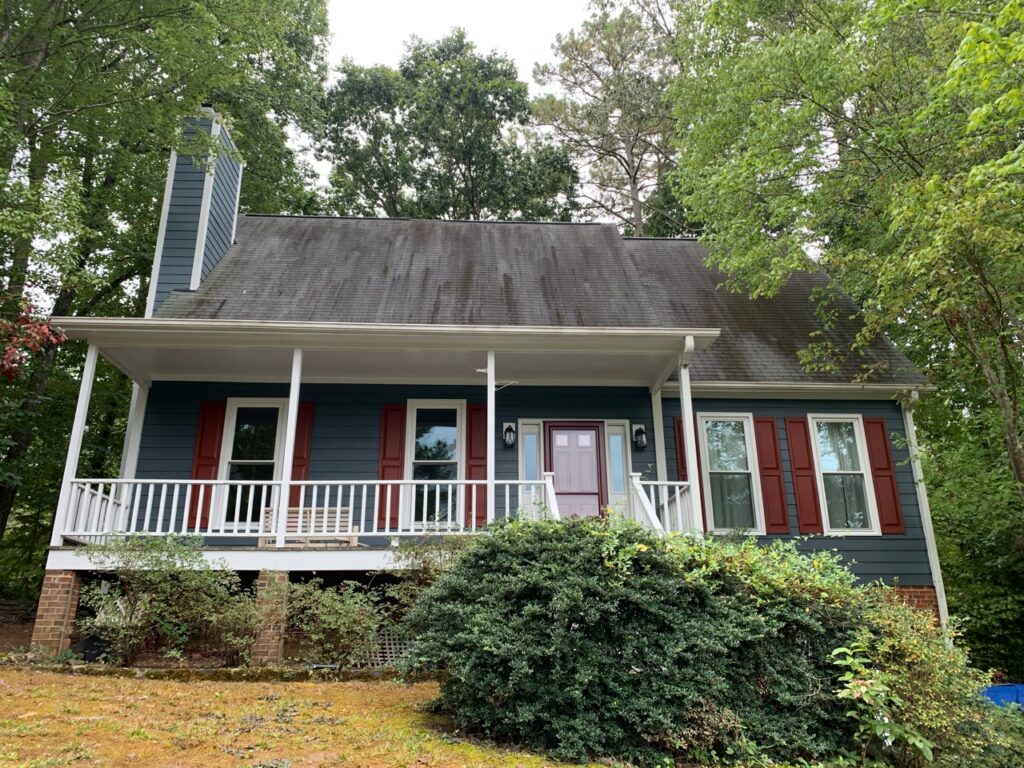
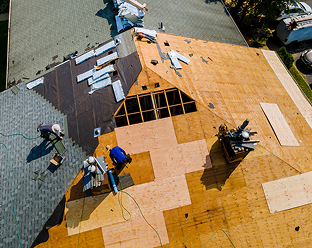
Failing to address roof loss promptly can have serious and costly consequences. Even seemingly minor issues can escalate if left untreated, leading to:
Part of knowing how to address roof loss is taking proactive steps to protect your home and extend roof life:
Partnering with a trusted contractor like Carolina Exteriors Plus ensures professional inspections, preventive maintenance, and expert repairs tailored to Wake County homes.
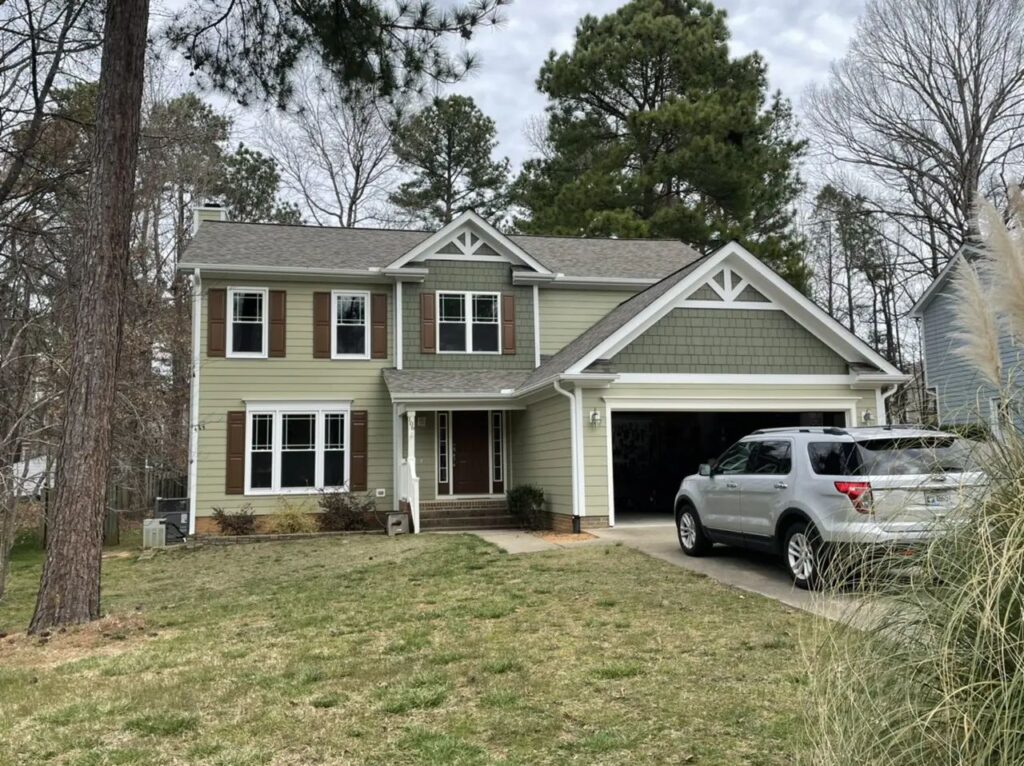
Knowing how to address roof loss also means deciding when repairs are sufficient or when replacement is more appropriate. Here’s a breakdown of both options:
Properly addressing roof loss requires professional expertise. Carolina Exteriors Plus has served Triangle-area homeowners since 2010, delivering trusted roofing solutions backed by experience and local knowledge. The team combines licensed, insured professionalism with deep local expertise to ensure your home is protected.
Carolina Exteriors Plus provides a full range of roofing services to meet every need:
As a CertainTeed Select Roofing Shingle Master, CEP guarantees expert installation, long-lasting performance, and adherence to industry best practices for every project.
Partnering with Carolina Exteriors Plus ensures your roof is repaired or replaced correctly the first time. With years of experience across homes all over the Triangle, our team delivers personalized guidance and reliable results every time.
Protect your home from further roof loss. Call us today at (919)-886-7587 or contact us online for a free consultation.
1. How do I know if my roof has significant damage?
Look for missing or cracked shingles, leaks, water stains, sagging rooflines, or granules in gutters. Professional inspections can catch hidden issues early.
2. What should I do immediately after a storm damages my roof?
Ensure safety first, document the damage with photos or video, apply temporary tarps if necessary, and contact a licensed roofing contractor promptly.
3. Will homeowners insurance cover roof loss?
Most policies cover storm-related damage, falling debris, and hail. Routine wear and tear or neglected maintenance is usually excluded. Always check your specific policy and document damage thoroughly.
4. How do I decide between repairing or replacing my roof?
Minor issues like isolated leaks or a few missing shingles can often be repaired. Widespread damage, aging roofs, or structural concerns usually call for full replacement.
5. Why should I hire a professional to address roof loss?
Licensed contractors ensure safe, code-compliant repairs or replacements, preserve warranties, and provide expert guidance on materials, installation, and long-term maintenance.
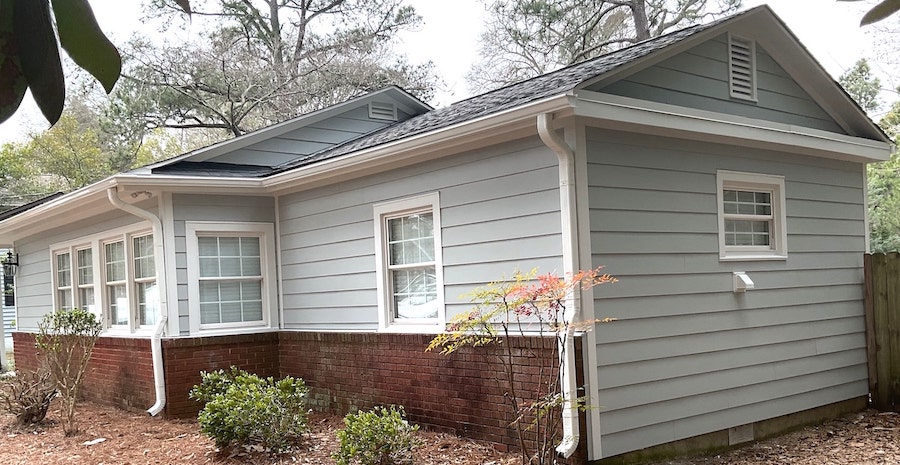
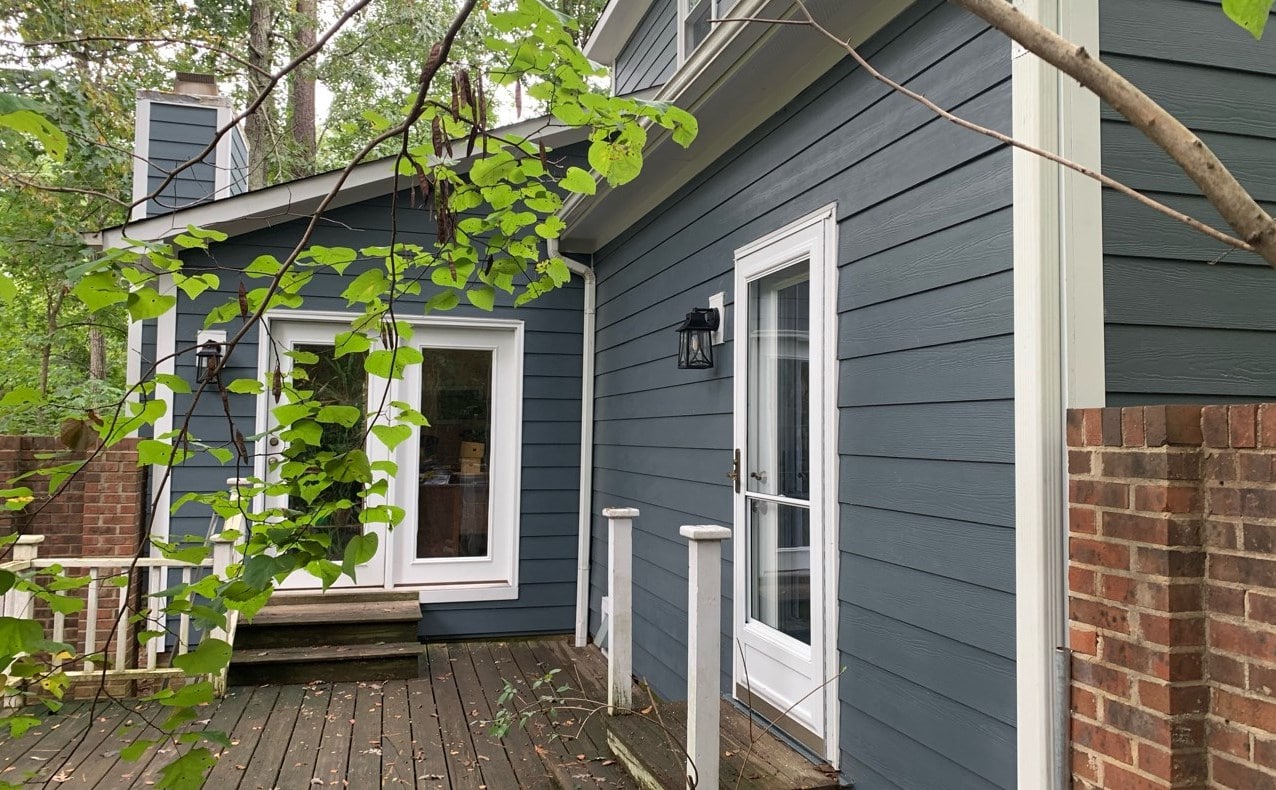
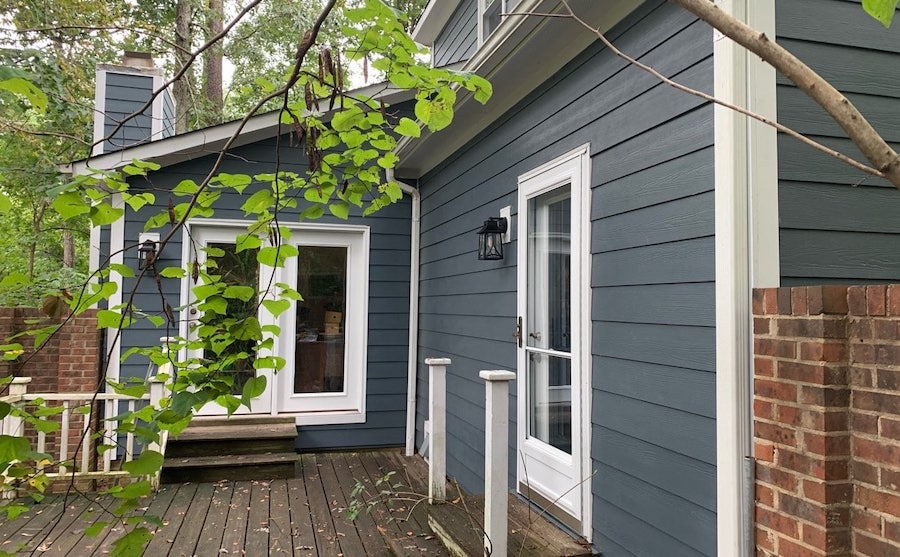
Get a free, no obligation estimate.
Financing Available
Speak with one of our experience team members who can help you make the best decisions for your home. Give us a call at (919) 886-7587 or request a consultation below.
No obligation | Financing available

Carolina Exteriors is the Raleigh area’s most recommended and referred specialty replacement contracting company. Boasting an impressive 60% referral and repeat customer rate, we are the trusted professionals for James Hardie® HardiePlank siding, replacement windows, entry doors, roofing, and gutters.
© 2025 Carolina Exteriors. Sitemap Privacy Policy
Site by HipBip.co