James Hardie Weather Proof Wrap – The Ultimate Weather Barrier
April 17, 2026
If you’ve noticed peeling paint, sagging boards, or signs of damage along your roofline, it may be time to consider fascia and soffit replacement. These often-overlooked components play a critical role in protecting your home from moisture, pests, and ventilation issues. While they may not be as visible as siding or roofing, damaged fascia and soffit can lead to costly problems if left unaddressed.
In this guide, we’ll break down everything you need to know about fascia and soffit replacement—what they are, why they matter, and how to tell when it’s time to repair or replace them.
At Carolina Exteriors, we believe in empowering homeowners across the Triangle with the resources to make informed decisions about maintaining their homes. Contact us today for a free inspection to see if your fascia and soffit need repair or replacement.
Before diving into replacement, it’s important to understand what fascia and soffit actually do for your home.
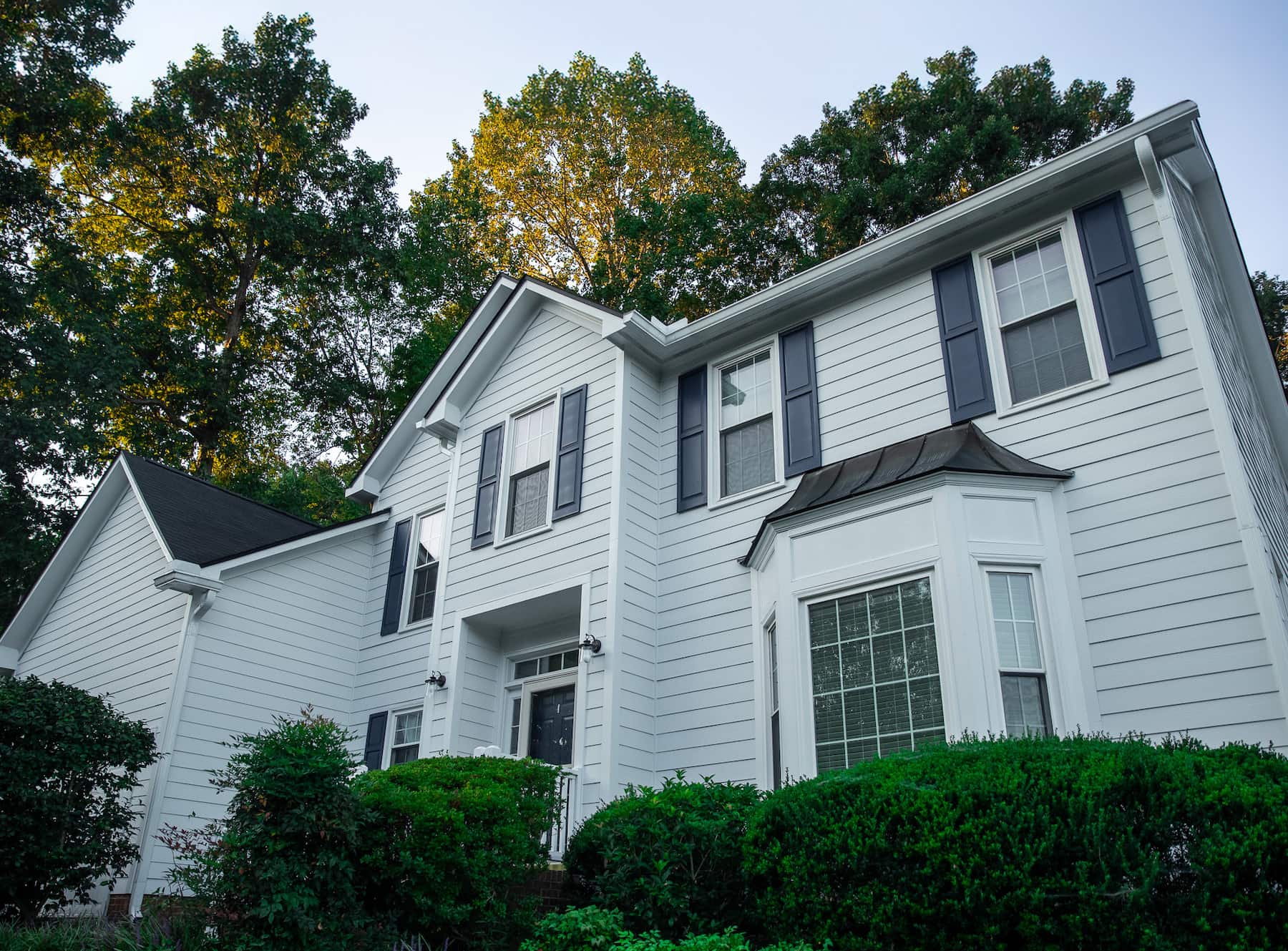
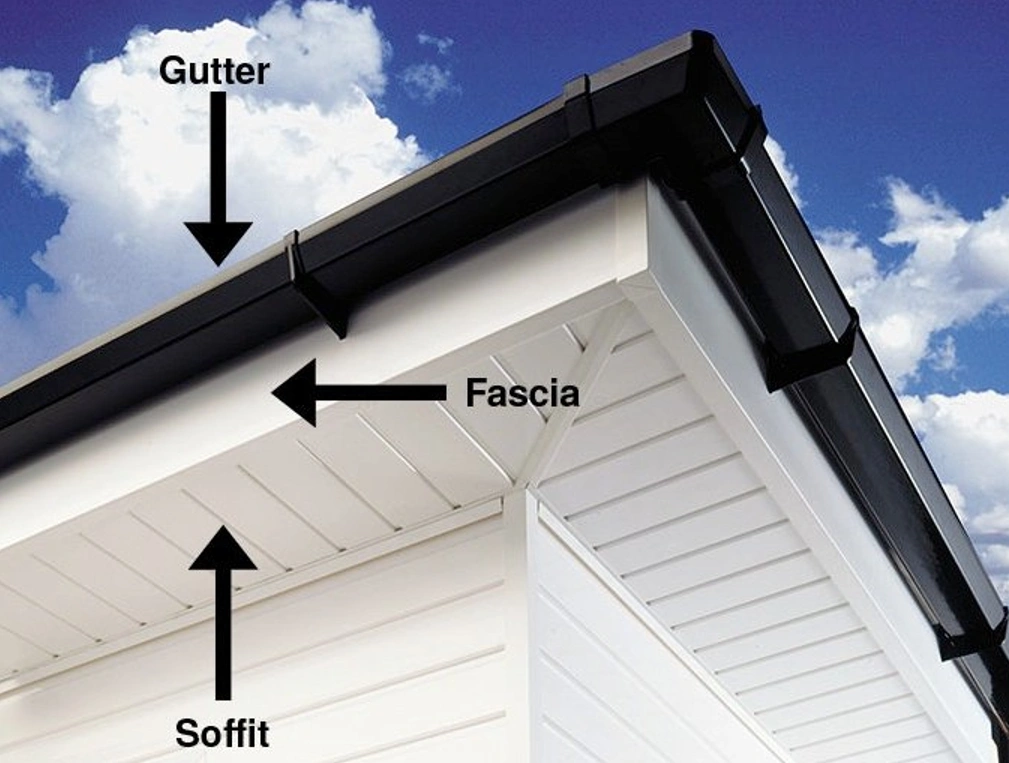
Fascia is the horizontal board that runs along the edge of your roofline. It’s typically where your gutters are mounted and plays a key role in supporting them. Beyond that, fascia helps protect the roof structure from water damage by creating a barrier between the elements and your home’s interior.
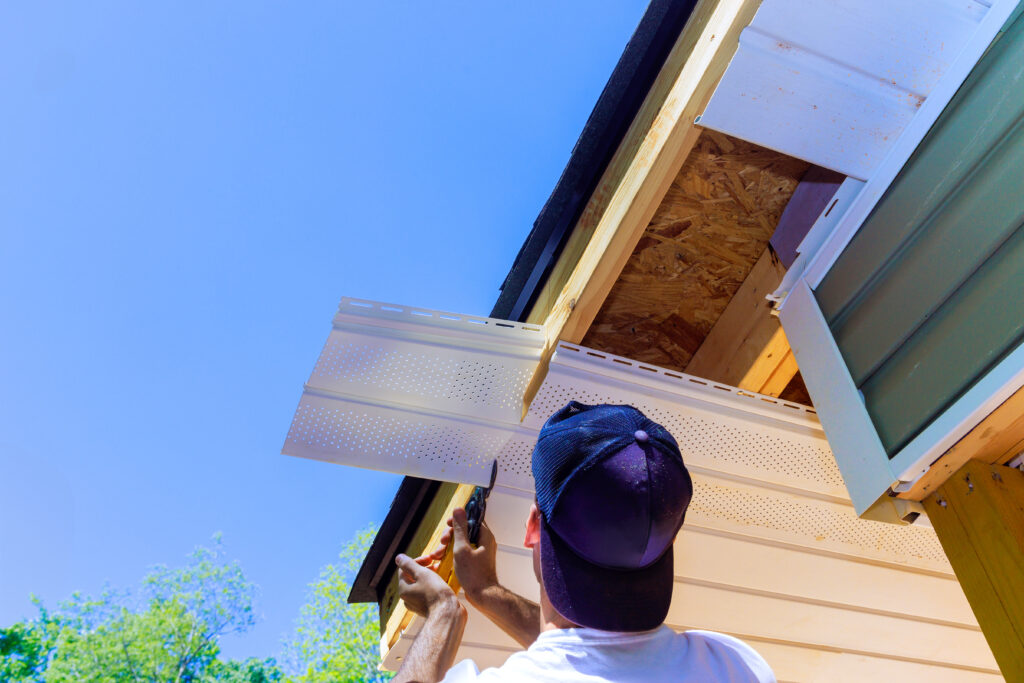
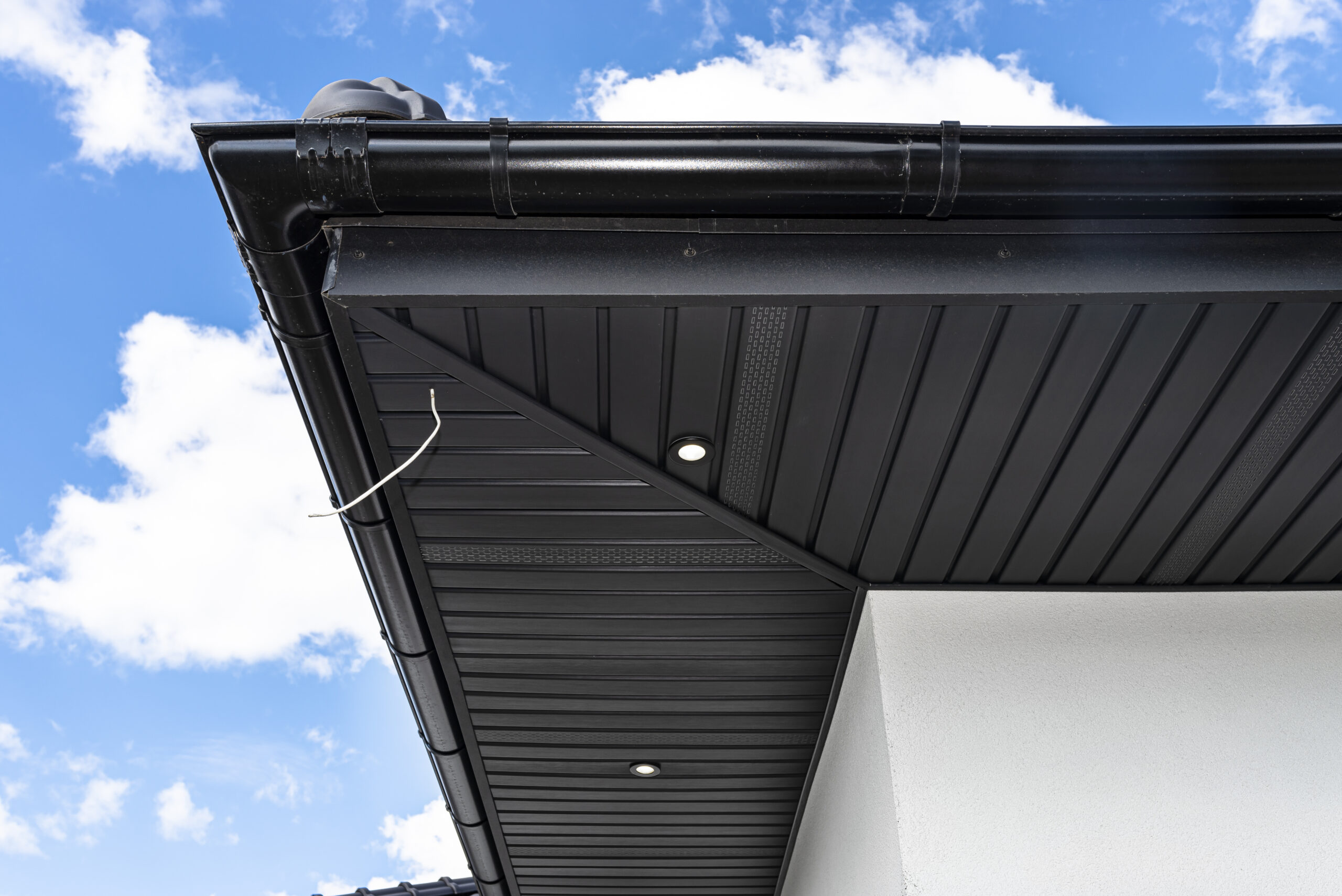
Soffit is located underneath the overhang of your roof. It’s often vented, allowing air to flow into your attic. This ventilation helps regulate temperature and moisture levels, preventing issues like mold growth, rot, and excessive heat buildup.
Together, fascia and soffit form a critical system that protects your home while supporting proper airflow.
Fascia and soffit may not get much attention, but they play a major role in your home’s overall health and performance.
When these components are in good condition, they help:
When they’re damaged, however, they can lead to serious problems like wood rot, mold, and structural deterioration. That’s why timely fascia and soffit replacement is so important.
Knowing what to look for can help you catch problems early before they become more expensive to fix.
If you notice paint peeling or wood starting to rot along your roofline, it’s often a sign that moisture is getting in. This is one of the earliest indicators that fascia or soffit may need attention.
Water stains near the roofline or gutters pulling away from the house can signal fascia damage. Since fascia supports your gutters, any weakening can affect drainage and lead to further issues.
If your attic feels excessively hot or your energy bills are rising, your soffit may not be ventilating properly. A damaged or blocked soffit can restrict airflow and impact your home’s efficiency.
Small gaps or rotting wood can create entry points for pests. Birds, squirrels, and insects often nest in damaged soffit areas.
Visible sagging or cracking is a sign that the structure is weakening. At this stage, replacement is often the best solution.
Not all damage requires a full replacement. In some cases, minor repairs may be enough.
Repairs are typically suitable when:
Replacement is usually recommended when:
While repairs may cost less upfront, replacement often provides a longer-lasting solution and prevents future problems.
If your home needs fascia and soffit replacement, understanding the process can help you feel more prepared.
A typical project includes:
Professional installation ensures that everything is properly aligned, sealed, and ventilated for long-term performance. Contact Carolina Exteriors for a professional inspection and installation.
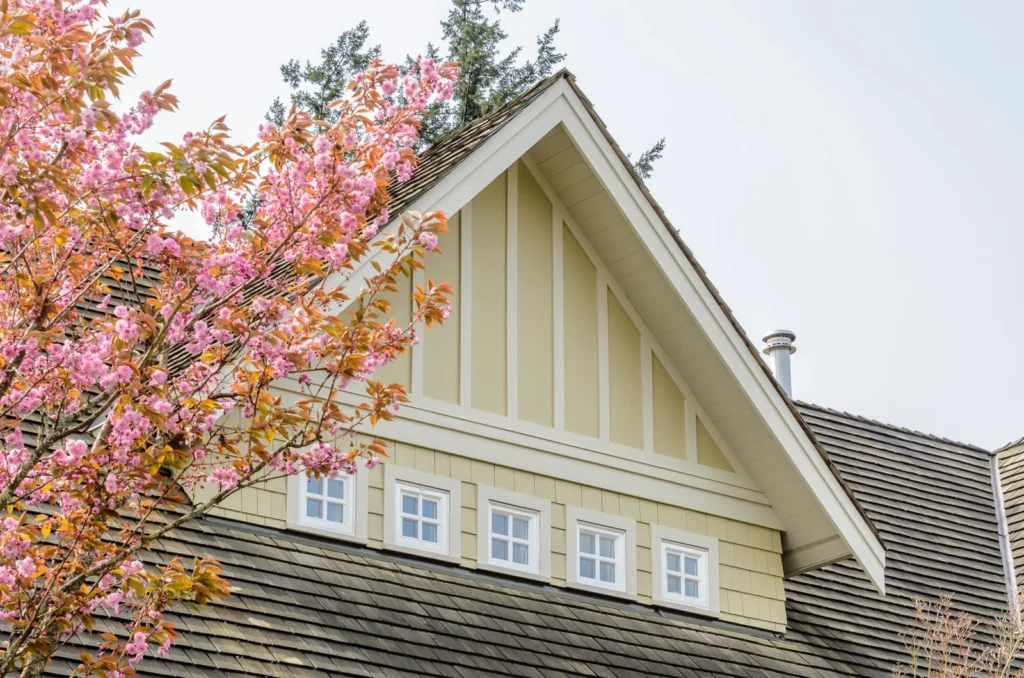
There are several material options available, each with its own benefits.
Wood offers a traditional look and is commonly used in older homes. However, it requires regular maintenance and is more susceptible to moisture damage.
Aluminum is a popular choice because it’s durable, low-maintenance, and resistant to rot. It performs well in areas with high humidity.
PVC and vinyl materials are highly resistant to moisture and pests. They’re also low-maintenance and long-lasting, making them a great option for many homeowners.
Choosing the right material depends on your budget, maintenance preferences, and the style of your home.
The cost of fascia and soffit replacement can vary depending on several factors, including:
While it’s difficult to give an exact price without an inspection, investing in replacement can help prevent more expensive repairs down the line.
Homes in North Carolina face unique challenges due to the climate. High humidity, heavy rain, and seasonal storms can all take a toll on fascia and soffit.
Moisture is one of the biggest concerns, as it can lead to rot and mold if not properly managed. Ventilation is also critical, especially during hot summers when attic temperatures can rise quickly.
Because of these conditions, regular inspections and timely fascia and soffit replacement are essential for protecting your home.
Fascia and soffit replacement isn’t just about appearance—it’s about protecting your home’s structure and ensuring proper ventilation.
A professional contractor can:
Trying to handle this type of work without experience can lead to improper installation and additional issues down the road.
Fascia and soffit may not be the most noticeable parts of your home, but they play a critical role in protecting it. Ignoring damage can lead to bigger problems like water intrusion, mold, and structural issues.
By understanding the signs of damage and taking action early, you can protect your home and avoid costly repairs.
If you’ve noticed issues along your roofline or aren’t sure about the condition of your fascia and soffit, it’s a good idea to have a professional take a look.
At Carolina Exteriors, we help homeowners across North Carolina identify problems early and provide reliable solutions that last. Whether you need repairs or full fascia and soffit replacement, our team is here to help.
Contact us today at 919-726-3830 or fill out our online form to schedule your inspection and get expert guidance on protecting your home.
Most fascia and soffit replacement projects can be completed within a few days, depending on the size of the home and the extent of the damage.
Yes, minor damage can often be repaired. However, if there is widespread rot or structural issues, replacement is usually the better long-term solution.
With proper maintenance, fascia and soffit can last many years. However, they should be inspected regularly, especially in climates like North Carolina, where moisture exposure is high.
Common causes include water exposure, poor ventilation, clogged gutters, and pest activity. Over time, these factors can lead to rot and deterioration.
In some cases, damage caused by storms or sudden events may be covered by insurance. It’s best to check with your provider to understand your coverage.
Many homeowners choose aluminum or PVC because they are durable, low-maintenance, and resistant to moisture and pests.

Get a free, no obligation estimate.
Financing Available

Speak with one of our experience team members who can help you make the best decisions for your home. Give us a call at (919) 886-7587 or request a consultation below.
No obligation | Financing available

Carolina Exteriors is the Raleigh area’s most recommended and referred specialty replacement contracting company. Boasting an impressive 60% referral and repeat customer rate, we are the trusted professionals for James Hardie® HardiePlank siding, replacement windows, entry doors, roofing, and gutters.
© 2025 Carolina Exteriors. Sitemap Privacy Policy
Site by HipBip.co