Selling Your Home? Here’s When Siding Replacement Is Worth It
September 17, 2026
Fiber cement siding is one of the most durable and reliable exterior materials available today. It is engineered to resist moisture, pests, and fire while maintaining a clean, attractive appearance for decades. Even so, no siding material is completely immune to damage. Over time, exposure to weather, impact, or installation issues can lead to cracks, chips, or more serious problems that need attention.
For homeowners in the Triangle, where humidity, storms, and seasonal temperature swings are common, staying ahead of siding damage is especially important. Small issues can quickly turn into larger ones if water is allowed to penetrate behind the siding. Knowing what to do when fiber cement siding is damaged can help you protect your home and avoid costly repairs down the line.
This guide will walk you through the most common causes of damage, how to assess the severity, what you can fix yourself, and when it is time to call professionals like Carolina Exteriors.
While fiber cement siding, like James Hardie, is built for durability, several factors can still lead to damage over time. Understanding these causes can help you prevent future issues.
One of the most frequent causes of fiber cement siding problems is improper installation. When boards are not installed correctly, they may be fastened too tightly, spaced improperly, or left vulnerable at seams. Over time, this can lead to cracking, shifting, or gaps that allow moisture to enter. These problems often develop gradually, which makes them harder to detect until visible damage appears.
Fiber cement siding is strong, but it is not indestructible. Direct impact from hail, falling branches, lawn equipment, or accidental contact can cause chips, dents, or cracks. In many cases, this type of damage is localized to one area, which makes it easier to repair if caught early.
Water is one of the most damaging elements for any exterior surface. Even a small crack or gap can allow moisture to seep behind the siding. Once inside, water can affect the boards themselves or the underlying structure of your home. Over time, this can lead to swelling, warping, and even structural deterioration if not addressed promptly.
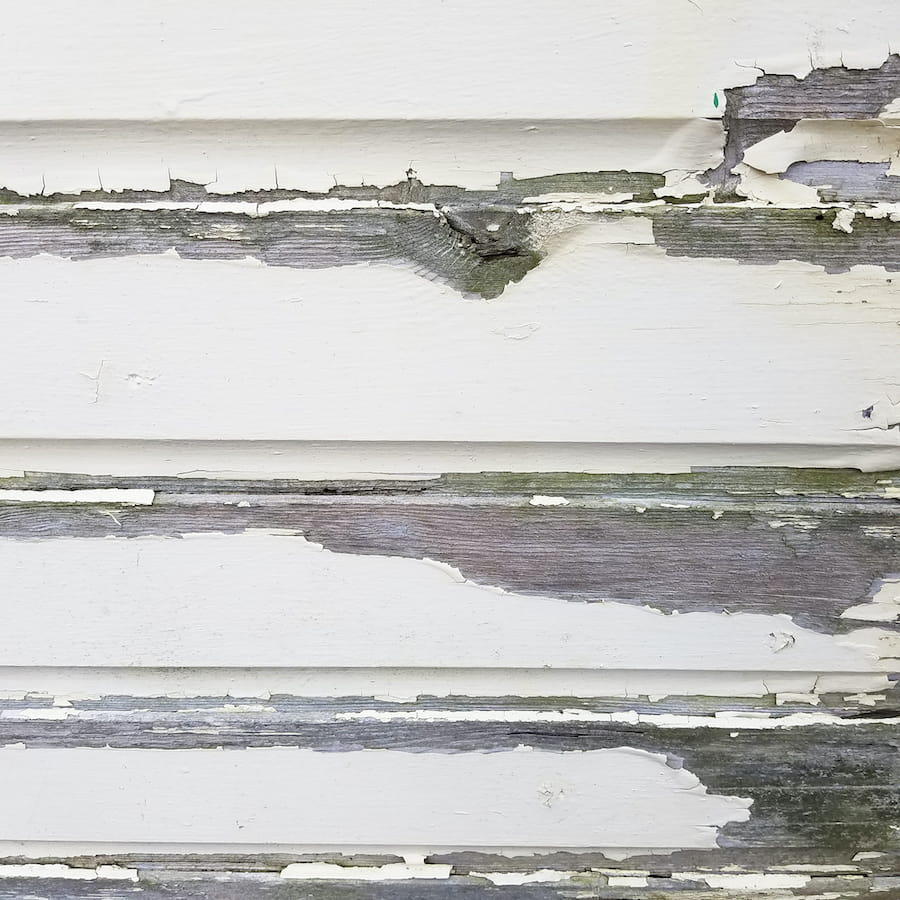
Like all building materials, fiber cement siding experiences wear over time. Continuous exposure to sunlight, changing temperatures, and seasonal weather conditions can cause gradual deterioration. Paint may begin to fade or peel, and small cracks can develop as the material expands and contracts. While these changes are normal, they should still be monitored to prevent more serious issues.
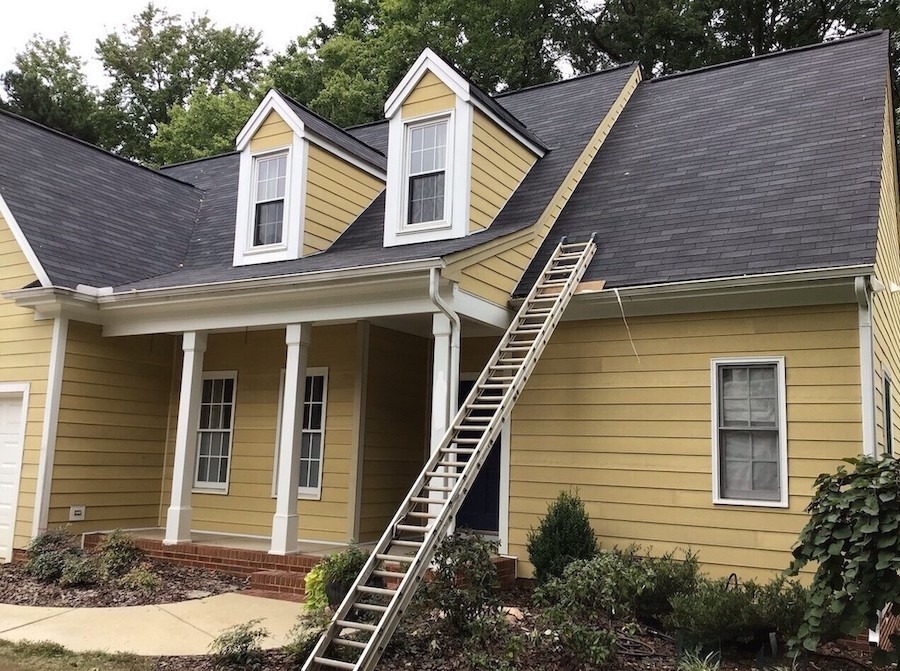
Not all damage is the same, and identifying the type of issue you are dealing with is essential for choosing the right repair method.
Hairline cracks are small surface level fractures that may appear due to settling or temperature fluctuations. While they may seem minor, they should not be ignored. These cracks can allow moisture to enter if left unsealed, which can lead to more significant problems over time.
Chips and small holes are often the result of impact. These types of damage are typically cosmetic at first, but they can become functional concerns if they expose the inner layers of the siding. Fortunately, they are usually easy to repair with the right materials.
When cracks extend deeper into the siding or boards become broken, the structural integrity of the material is compromised. This type of damage often requires more than a simple patch and may involve removing and replacing entire sections.
Moisture damage is one of the most serious forms of siding issues. Signs may include swelling, discoloration, soft spots, or even mold growth. This usually indicates that water has penetrated behind the siding, which can affect both the exterior and the interior structure of your home.
Before starting any repair, it is important to fully understand the extent of the problem. Taking a careful and methodical approach can prevent mistakes and ensure you address the root cause.
Begin by thoroughly inspecting the affected area and the surrounding siding. Look for visible cracks, chips, or holes, but also pay attention to less obvious signs such as loose boards or subtle discoloration. Damage is not always isolated, so it is important to check nearby seams, trim, and areas around windows and doors.
Once you have identified the issue, clean the area to remove dirt, dust, and debris. A clean surface is essential for any repair material to properly adhere. After cleaning, take time to evaluate the severity of the damage. Consider whether it is purely cosmetic or if it may involve deeper structural concerns or moisture intrusion. This evaluation will help you decide whether a simple repair is sufficient or if more extensive work is needed.
For small cracks, chips, or holes, many homeowners can handle repairs with the right tools and materials.
When done correctly, these repairs can last for years and restore both the appearance and function of your siding.
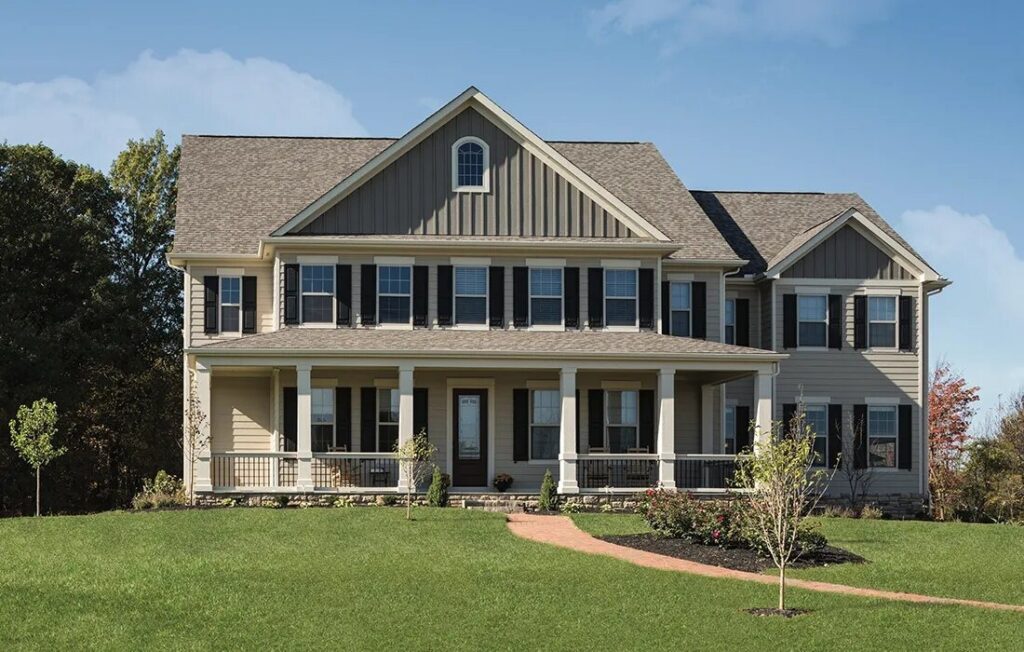
Some damage goes beyond what a patch can fix. In these cases, replacing the affected board is the most effective solution.
Replacing a fiber cement board requires careful removal of the damaged section without disturbing the surrounding materials. This often involves cutting or loosening nails, inspecting the weather barrier underneath, and installing a new board with proper alignment and fastening. Precision is important during this process to ensure the new piece integrates seamlessly and maintains the siding’s protective function.
Once repairs are complete, ongoing maintenance plays a key role in protecting your siding and extending its lifespan.
Regular inspections are one of the most effective ways to catch small issues before they become major problems. Checking your siding at least twice a year, especially after severe weather, allows you to identify early signs of wear or damage. Keeping vegetation trimmed away from your home also helps prevent moisture buildup and physical contact that can lead to damage.
In addition, maintaining proper sealing around joints and repainting when needed helps preserve the siding’s protective barrier. Addressing minor issues as soon as they appear can significantly reduce the risk of larger, more costly repairs in the future.
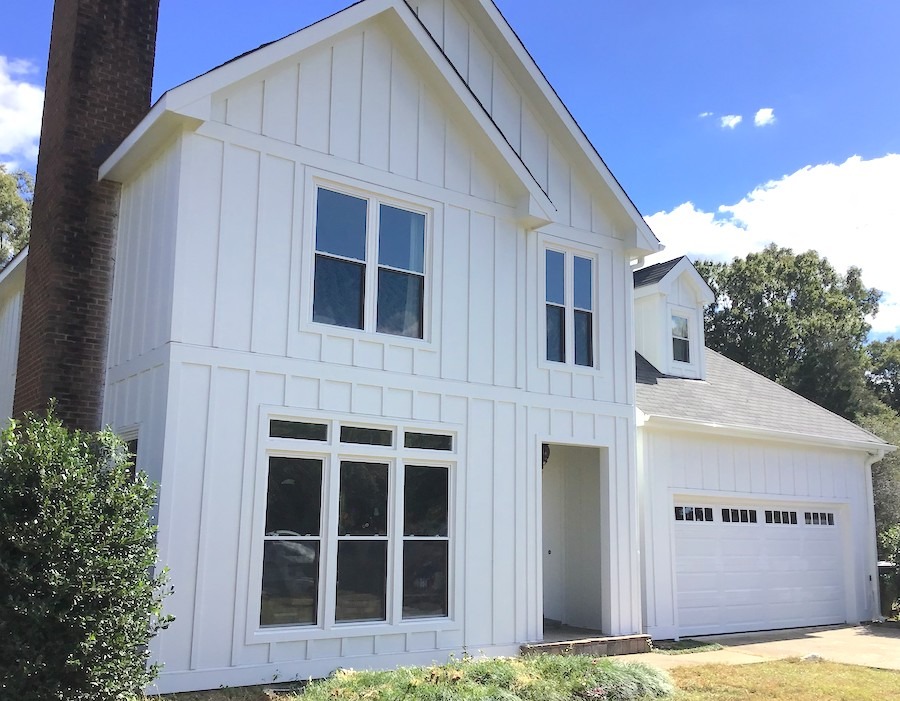
While some repairs are manageable for homeowners, others require professional expertise. Knowing when to call in a team like Carolina Exteriors can save you time, money, and frustration.
At Carolina Exteriors, we understand the unique challenges that homes in North Carolina face. Our team specializes in diagnosing siding issues, providing high quality repairs, and ensuring your home remains protected and visually appealing.
We take a thorough approach, addressing not just the visible damage but also the underlying causes. Whether you need a simple repair or a more extensive siding solution, we are here to help every step of the way.
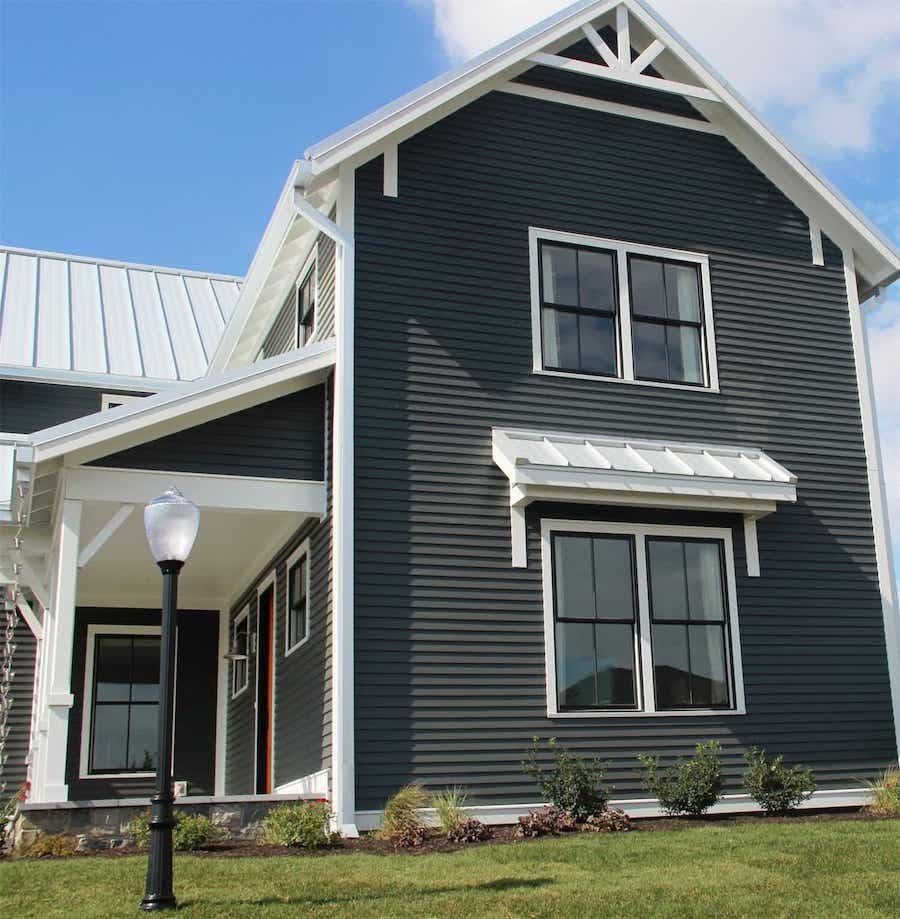
Delaying repairs might seem like a way to save money, but it often leads to more expensive problems.
Even small cracks can allow moisture to enter, which can escalate quickly if left untreated.
Fiber cement siding is a long lasting and dependable choice for homeowners, but like any exterior material, it requires attention and care. When damage occurs, acting quickly is the key to preventing bigger problems.
By understanding the type of damage, following proper repair techniques, and knowing when to call professionals, you can keep your home looking great and functioning as it should for years to come.
If you are unsure about the extent of your siding damage or want expert guidance, Carolina Exteriors is ready to help. A professional evaluation can provide peace of mind and ensure your home stays protected in every season. Contact our team online or call 919-886-7587 to schedule a free consultation!
Yes, minor damage like small cracks or holes can often be repaired with patching compound and paint. Larger issues typically require professional help.
When done correctly, minor repairs can last for years. However, structural damage may require board replacement for a long term solution.
Improper installation and moisture intrusion are among the most common causes.
If the damage is large, deep, or involves moisture behind the siding, replacement is usually the better option.
It is recommended to inspect your siding at least twice a year, especially after severe weather.
Get a free, no obligation estimate.
Financing Available

Speak with one of our experience team members who can help you make the best decisions for your home. Give us a call at (984) 279-1776 or request a consultation below.
No obligation | Financing available

Carolina Exteriors is the Raleigh area’s most recommended and referred specialty replacement contracting company. Boasting an impressive 60% referral and repeat customer rate, we are the trusted professionals for James Hardie® HardiePlank siding, replacement windows, entry doors, roofing, and gutters.
© 2025 Carolina Exteriors. Sitemap Privacy Policy
Site by HipBip.co