How Much Does It Cost to Reside with HardiePlank?
December 3, 2025
If you’re a homeowner trying to decide between siding repair vs. replacement, you’re not alone — it’s one of the most common questions in home exterior care. With siding protecting your home from weather, pests, and wear and tear, even small issues can quickly become big problems if not addressed.
With years of hands-on experience serving homeowners across the Triangle, Carolina Exteriors Plus understands how local weather conditions, material performance, and installation quality all impact the lifespan of your siding.
In this guide, we’ll break down siding-specific factors, repair vs. replacement costs, material performance, and expert insights drawn from real-world projects to help you make a confident, informed decision that protects your home’s exterior, improves energy efficiency, and maximizes the lifespan and value of your siding investment.
Protect your exterior today! Reach out to our team at 919-886-7587 or contact us online for a free siding evaluation and get expert guidance on whether repair or replacement is the best solution for your home.
Siding is your home’s first defense against the elements. It:
Whether you have classic vinyl, durable fiber cement, or traditional wood siding, keeping it in optimal condition preserves your home’s function and beauty.
Siding repair is often the most cost‑effective option — especially if damage is isolated or minimal.
Small dents, fading paint, or cracked panels due to impact or aging often don’t require full replacement. A repair can restore functionality and appearance without major cost.
Siding repair generally costs significantly less than replacement. It’s ideal when:
While exact pricing depends on materials and extent of damage, repairing is usually more budget‑friendly in the short term.
Simple siding issues can sometimes be fixed yourself — like replacing a few vinyl panels or repainting. However, when underlying problems exist (wood rot, water damage, insect issues), a professional should assess your home.
Note: According to home maintenance experts, untreated water damage can lead to structural rot or mold — which is far costlier than early professional repairs. For more homeowner home maintenance guidance, see the U.S. Department of Housing and Urban Development’s maintenance tips.
In some cases, repair isn’t enough, and siding replacement becomes the smarter long‑term investment.
If large portions of your siding are cracked, warped, or rotting, patch repairs aren’t enough. Signs it’s time for replacement include:
Older siding that has reached the end of its service life typically performs better with full replacement.
Replacing old siding can dramatically improve your home’s insulation and energy performance — meaning lower heating/cooling costs. Updated siding systems work with modern insulation standards to make your home more efficient.
Brand‑new siding refreshes your home’s look and increases curb appeal — a strong selling point if you plan to sell. Buyers often view a new exterior as a sign of a well‑maintained home.
According to the Remodel Magazine 2025 Cost vs. Value Report, homeowners in some areas can garner as much as 114% and 97% ROI on fiber cement and vinyl siding respectively.
When weighing the necessity of siding repair vs. siding replacement, here are the key factors homeowners should consider:
Older siding nearing or past its expected lifespan (usually 20–30 years for many materials) is often better replaced than repeatedly repaired.
Different materials offer different lifespans and repair‑ability:
If the same areas keep needing repair, it may signal underlying issues that only full replacement can fix. Recurring damage often points to deeper problems like trapped moisture, failing materials, or improper installation that won’t be resolved with surface-level fixes. Over time, repeated repairs can become more costly than investing in a comprehensive replacement.
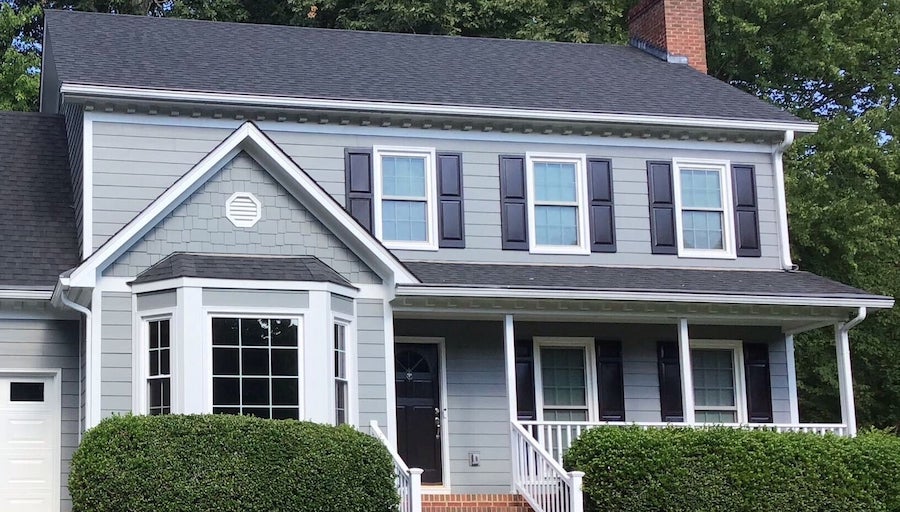
Replacing siding is a significant project, but knowing the steps can lessen stress and set the right expectations:
A professional contractor inspects your siding and underlying structure.
Choose the type and color that fits your home’s style and performance needs.
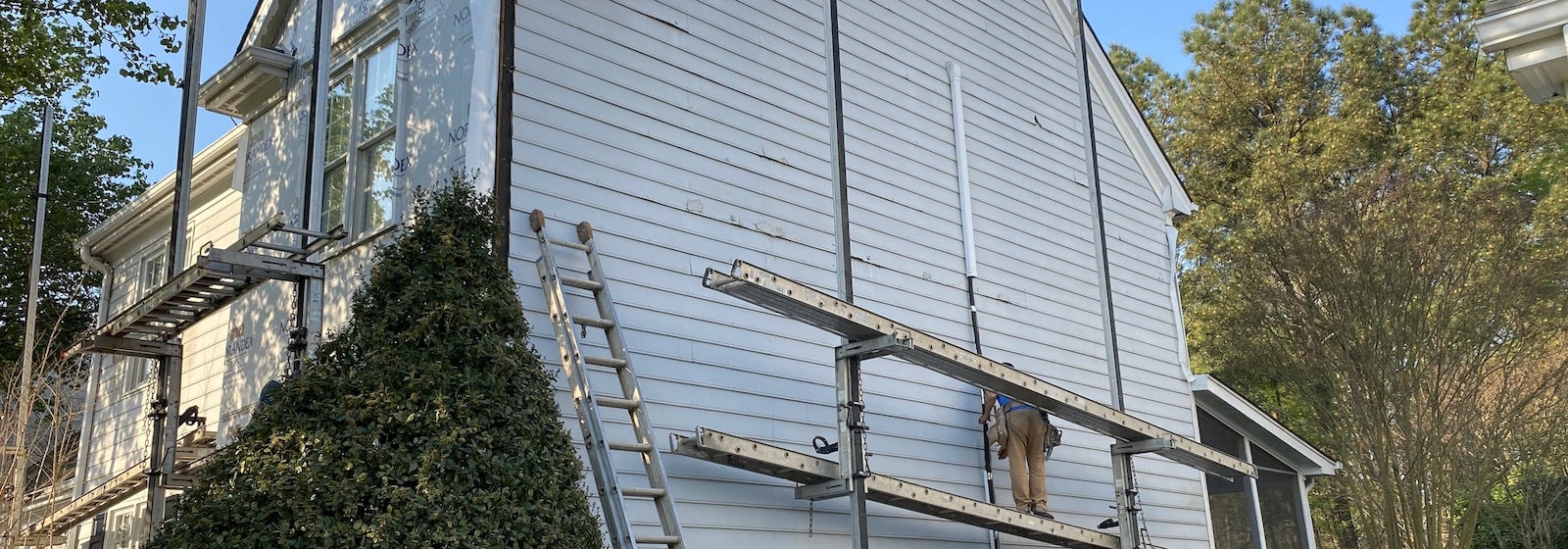
Old panels and damaged sublayers are safely removed.
Proper insulation and weather barriers are installed before new siding goes up.
Technicians ensure everything is sealed, secure, and attractive.
Not always. Frequent repairs can equal or exceed the cost of replacement if underlying problems persist.
While bigger upfront, replacement saves money in the long run through lower energy costs, fewer repairs, and increased home value.
Small DIY fixes can help cosmetic problems, but serious damage often needs professional diagnosis to prevent bigger structural issues.
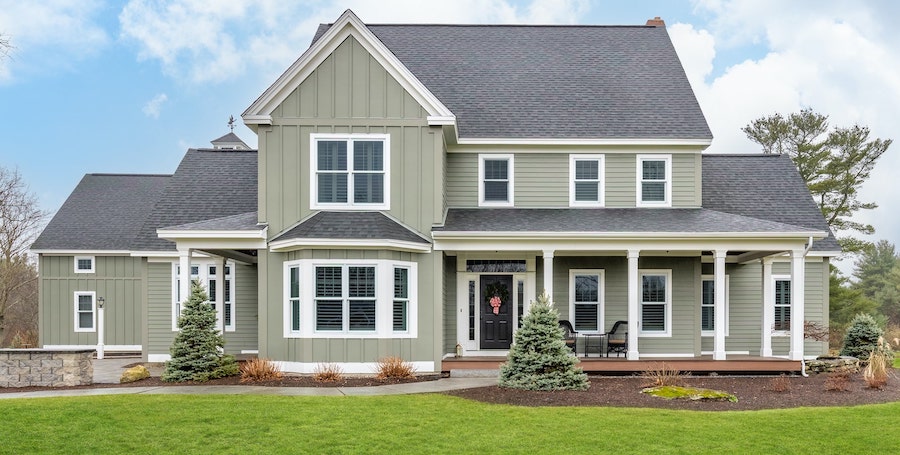
Choosing the right siding contractor directly impacts how well your home is protected—and how long that protection lasts. At Carolina Exteriors Plus, our reputation is built on delivering dependable results through expert craftsmanship, proven materials, and a customer-first approach.
Your home deserves siding solutions that are built to last—not temporary fixes. At Carolina Exteriors Plus, we’re committed to getting the job done right the first time, delivering expert craftsmanship that protects your home, enhances curb appeal, and helps you avoid costly repairs down the road.
Join the many homeowners who trust our team for proven results, reliable service, and long-lasting siding solutions.
Connect with our team today at 919-886-7587 or contact us online to schedule a free siding evaluation and receive expert guidance.
Q: How do I know if I need siding repair or siding replacement?
If the damage is minor and isolated, siding repair is usually sufficient. However, widespread damage, recurring issues, or aging materials often indicate that full siding replacement is the better long-term solution.
Q: Is siding repair cheaper than replacement?
Yes, siding repair typically costs less upfront. However, if repairs are frequent or extensive, replacement may be more cost-effective over time by reducing maintenance and improving durability.
Q: What are the signs that siding needs to be replaced instead of repaired?
Common signs include warping, rot, mold, frequent repairs, rising energy bills, and visible moisture damage. These issues often point to deeper problems that repairs alone cannot fix.
Q: Does new siding improve energy efficiency?
Yes, replacing old siding can improve insulation and reduce air leaks, helping lower heating and cooling costs while making your home more comfortable year-round.
Q: How long does siding typically last?
The lifespan depends on the material. Vinyl siding can last 20–30 years, wood siding may require more maintenance, and fiber cement siding can last 30–50 years or more with proper installation and care.
Get a free, no obligation estimate.
Financing Available

Speak with one of our experience team members who can help you make the best decisions for your home. Give us a call at (919) 886-7587 or request a consultation below.
No obligation | Financing available

Carolina Exteriors is the Raleigh area’s most recommended and referred specialty replacement contracting company. Boasting an impressive 60% referral and repeat customer rate, we are the trusted professionals for James Hardie® HardiePlank siding, replacement windows, entry doors, roofing, and gutters.
© 2025 Carolina Exteriors. Sitemap Privacy Policy
Site by HipBip.co