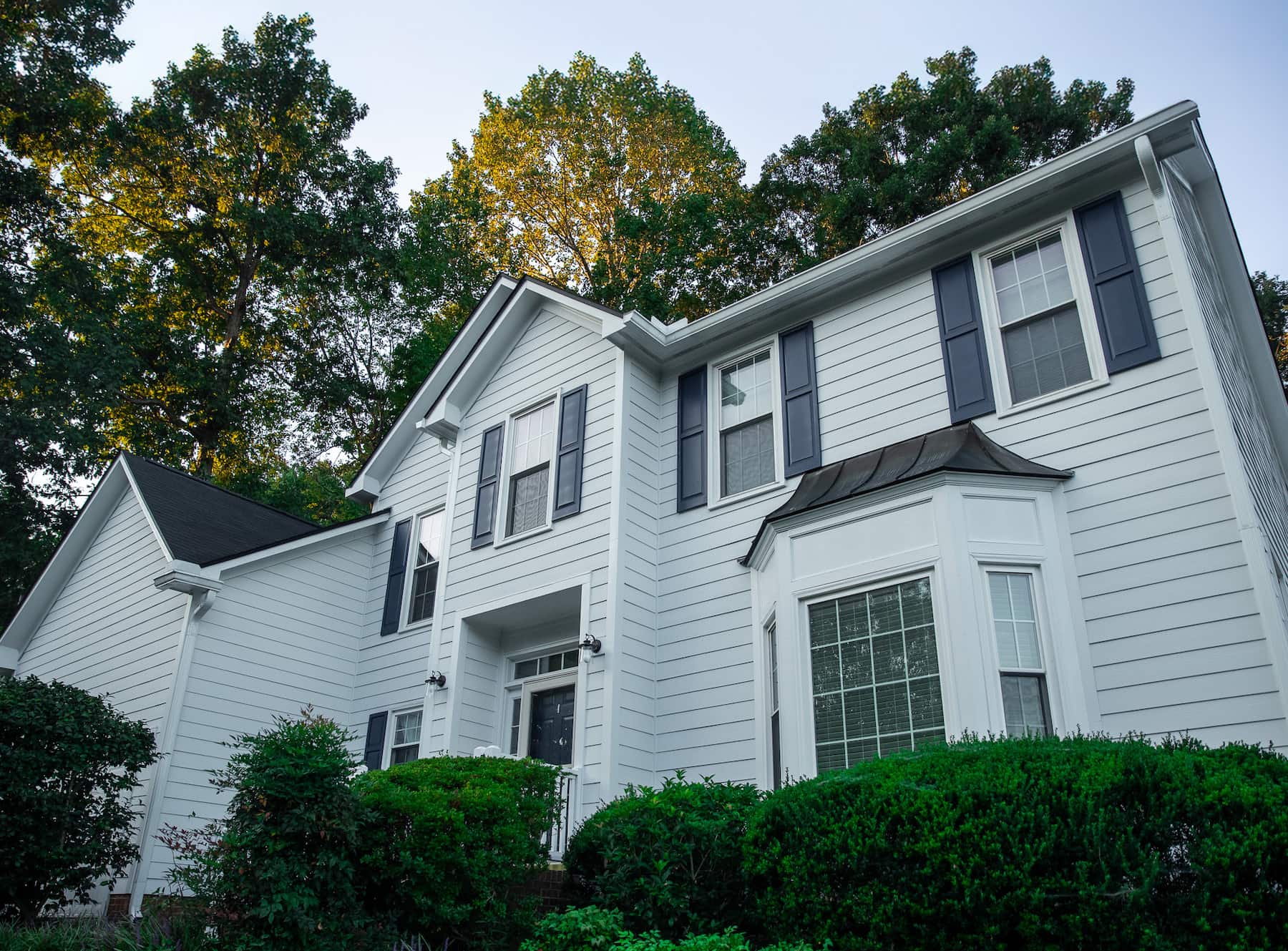
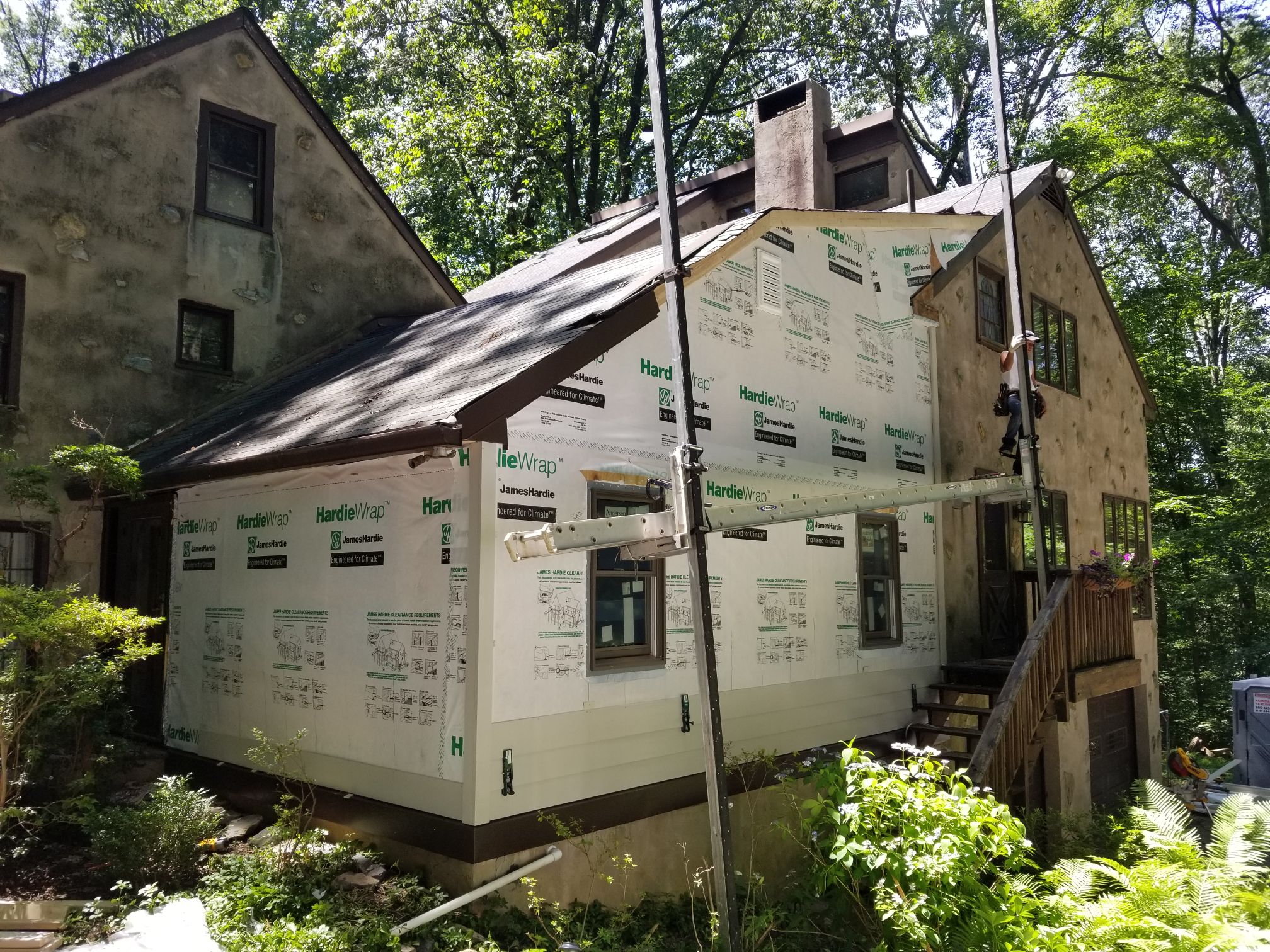
Consumers Beware: James Hardie Siding 101 – House Wrap
November 4, 2025
Most homeowners want the same thing from their siding: something that looks great, protects the home, and doesn’t become a constant maintenance project. The challenge is that not all siding materials deliver on those expectations in the same way over time.
Two of the most common choices sit on opposite ends of the siding experience: traditional wood siding and James Hardie® fiber cement siding. One is valued for its natural character and craftsmanship. The other is engineered for stability, durability, and reduced upkeep.
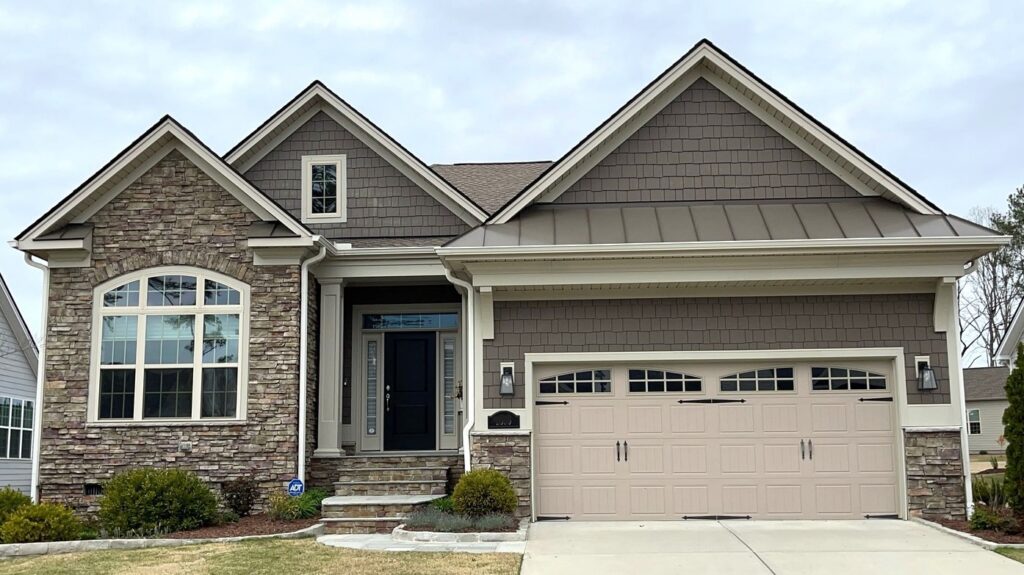
This guide breaks down how they really compare in everyday use, not just on paper, so you can understand what each option means for your home years after installation.
If you’re considering new siding in Raleigh, Cary, Apex, or nearby communities, Carolina Exteriors Plus helps homeowners evaluate materials and install siding built for long-term performance in North Carolina’s climate. Contact us online or call 919-886-7587 to get started.
Wood siding has been used for centuries because it delivers something manufactured materials can only imitate: real grain, natural variation, and an unmistakably organic look. Each board has its own texture and character, which is a major reason homeowners are drawn to it.
Common wood siding styles include:
The appeal is straightforward. Wood brings warmth, depth, and a classic architectural feel that can make a home stand out in a way that feels authentic rather than manufactured.
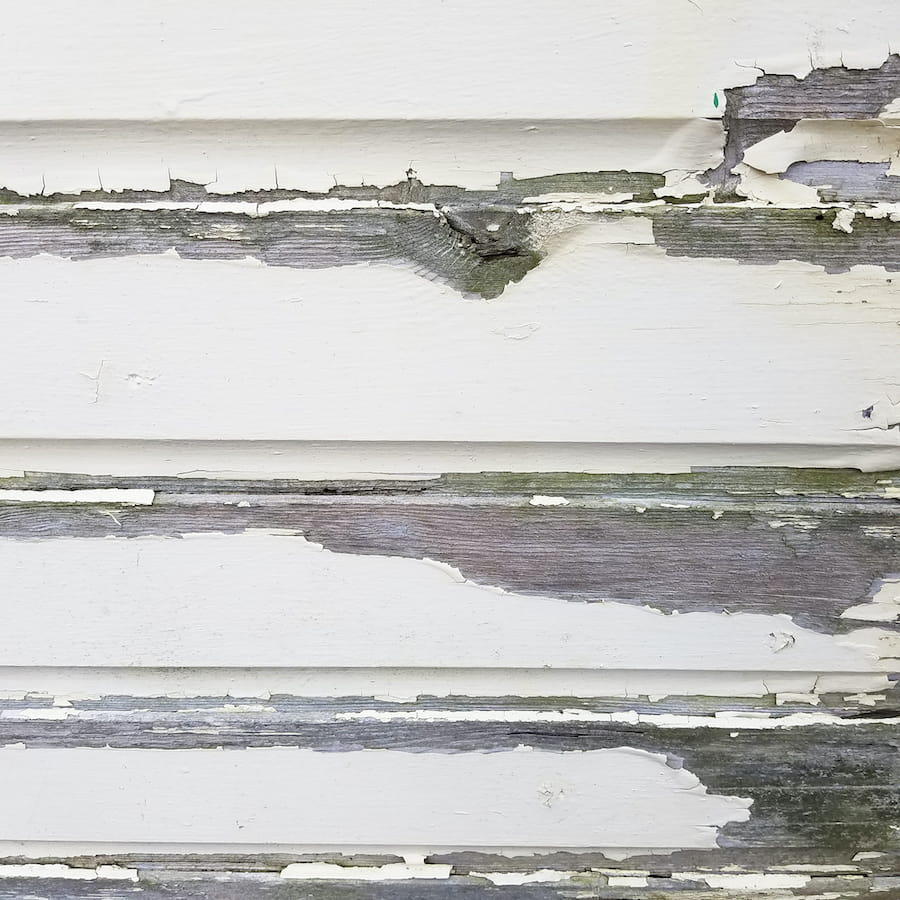
However, wood is a natural material, and that is also its main drawback. It reacts to its environment. Over time, exposure to moisture, sunlight, and temperature swings can lead to visible wear such as fading, warping, or surface breakdown. Without consistent upkeep, these changes can gradually affect both appearance and performance.
James Hardie siding is a type of fiber cement made from cement, sand, cellulose fibers, and water. It is engineered to replicate the look of wood while addressing many of the durability and maintenance challenges that come with natural materials.
Instead of relying on organic composition, it is designed for structural stability, helping it maintain a consistent appearance and performance over time.
Homeowners often choose James Hardie siding for benefits such as:
Overall, it delivers the look of traditional wood siding while significantly reducing many of the long-term maintenance demands.
The way siding performs over time is just as important as how it looks on day one. According to the U.S. Department of Energy, a home’s exterior envelope plays a critical role in managing moisture exposure and protecting underlying structural components. Materials that better resist environmental stress can help reduce long-term maintenance needs and support overall building performance.
Wood is a natural material, which means it continuously responds to its environment. As it ages, it may gradually show signs of wear such as:
Over time, performance and appearance are closely tied to how consistently the material is maintained and protected.
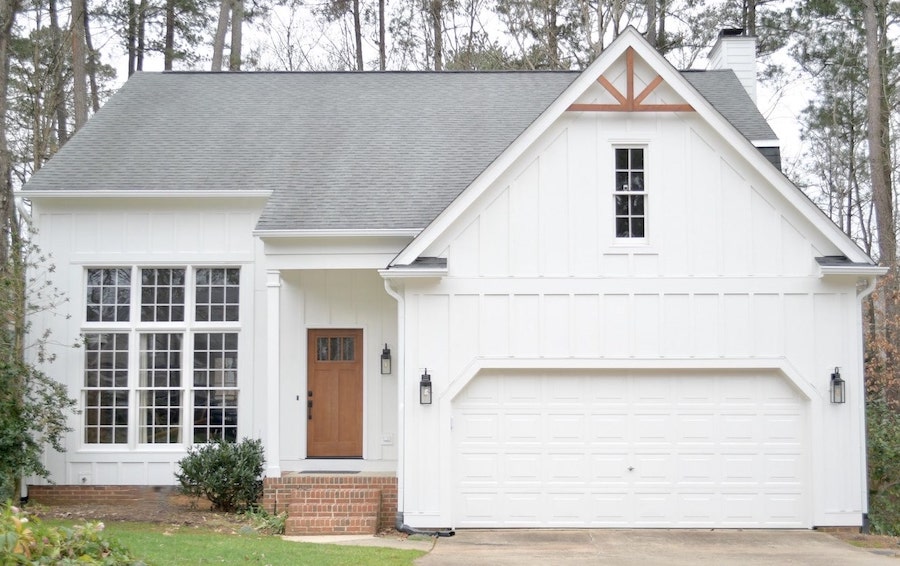
Fiber cement siding is engineered for dimensional stability, which helps it maintain more consistent performance as it ages. Instead of reacting heavily to moisture and temperature changes, it is designed to resist many of the conditions that typically accelerate wear in natural materials.
As a result, it generally demonstrates:
This stability is one of the key reasons homeowners often compare it favorably to traditional wood siding in long-term durability assessments.
Maintenance is one of the clearest differences between wood siding and fiber cement, and it directly impacts long-term cost, time investment, and overall homeowner experience.
Wood siding requires consistent, proactive upkeep to preserve both its appearance and structural integrity. Because it is an organic material, it must be regularly protected from moisture and environmental exposure.
Typical maintenance includes:
Over time, this maintenance becomes an ongoing cycle rather than a one-time effort. In most cases, it is not optional if homeowners want to preserve the material’s performance and appearance.
Fiber cement siding is designed to reduce the frequency and intensity of maintenance requirements. While it is not maintenance-free, it is significantly less demanding than wood in most environments.
Typical upkeep includes:
Because it does not rot, warp easily, or attract insects, maintenance tends to be more predictable and less frequent over the lifespan of the material.
All siding materials must withstand constant exposure to sun, moisture, wind, and temperature changes, but they do not react to these conditions in the same way over time. The differences become more noticeable as the material ages and cycles through seasons.
Wood is a natural material that expands and contracts as environmental conditions change. Over time, this ongoing movement can lead to visible wear and performance concerns, including:
Because of this, long-term performance is closely tied to climate exposure and how regularly the siding is maintained and refinished.
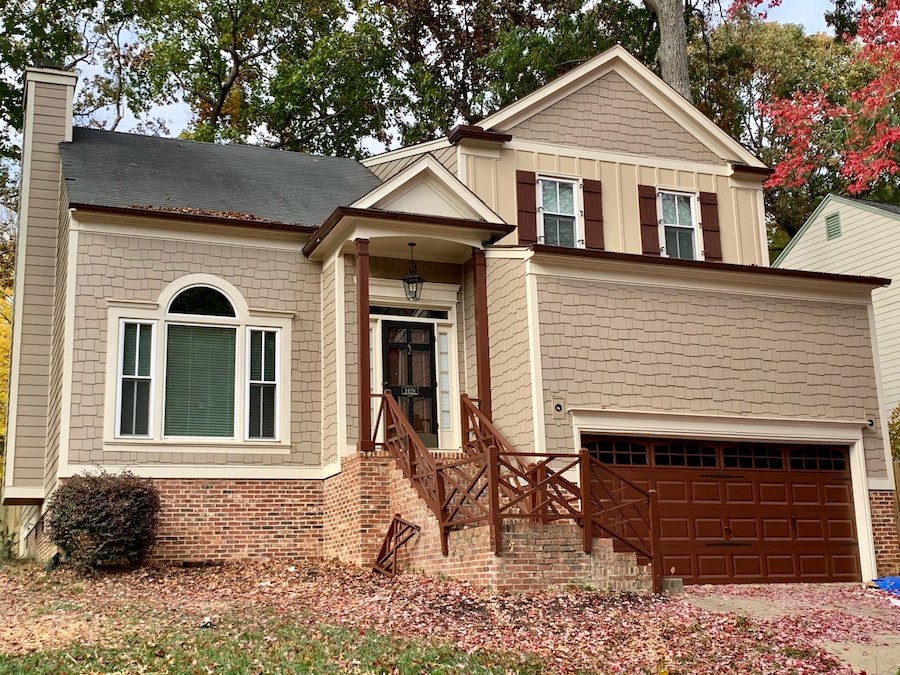
Fiber cement siding is engineered for dimensional stability, allowing it to perform more consistently under changing environmental conditions. It is widely used across different regions because it is designed to resist many of the common issues caused by moisture, heat, and temperature fluctuations.
Rather than reacting significantly to seasonal changes, it is built to maintain its structure and appearance with fewer weather-related performance issues over time.
Wood siding can last for decades, but its actual lifespan is highly dependent on environmental conditions and the level of ongoing maintenance it receives.
James Hardie siding is known for more predictable long-term performance due to its engineered composition and resistance to common failure points such as rot, moisture damage, and pest activity.
When comparing overall value, it is important to look beyond initial installation cost and consider the full lifecycle of the material, including maintenance frequency, repair needs, and long-term durability.
National housing data from the U.S. Census Bureau Construction Statistics shows that home maintenance and repair costs remain a consistent long-term expense for homeowners. This reinforces the importance of evaluating not just upfront material costs, but also long-term upkeep when comparing siding options like wood and fiber cement.
Wood siding may have a lower initial material cost in some cases, but it often comes with ongoing maintenance expenses such as:
James Hardie siding typically requires a higher upfront investment, but may reduce long-term maintenance and repair costs.
For many homeowners, the decision comes down to total lifecycle cost rather than installation price alone.
Wood siding can be a strong fit for homeowners who value natural materials and are willing to maintain them over time. It tends to work best when appearance and authenticity are the top priorities.
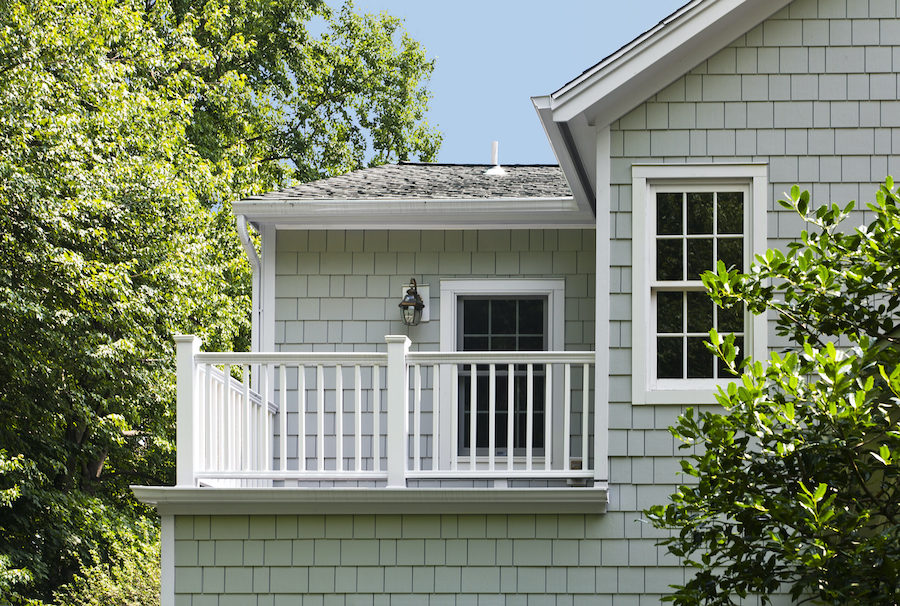
James Hardie siding is often preferred by homeowners who want the look of wood without the same level of upkeep or vulnerability to environmental wear.
At Carolina Exteriors Plus, we know that choosing siding is only half the decision. The other half is making sure it’s installed correctly and designed to perform the way it should for decades. Material matters, but installation quality is what ultimately determines how well your siding holds up over time.
We’ve built our reputation since 2010 by helping homeowners make confident, informed exterior decisions, and we’re proud to be one of the Raleigh area’s most recommended and referred siding contractors, with a strong base of repeat and referral customers.
Homeowners work with us because we provide:
Our goal is simple: help you choose siding that not only looks great when it’s installed, but continues to protect and perform for years to come.
Wood siding and James Hardie both offer strong benefits, but they’re built for different priorities. Wood delivers natural beauty and traditional character, while James Hardie provides greater durability, stability, and lower long-term maintenance.
The right choice depends on how you want your home to age over time and how much upkeep you’re comfortable with.
If you’re ready to move forward, Carolina Exteriors Plus can help you compare options and choose the best fit for your home. Call 919-886-7587 or contact our team today to schedule your siding consultation.
Which lasts longer, wood siding or James Hardie siding?
James Hardie siding typically lasts longer because it is engineered to resist rot, moisture damage, and pest activity. Wood siding can also last for decades, but only with consistent maintenance and environmental protection.
Is James Hardie siding worth the extra cost compared to wood?
For many homeowners, yes. While wood may cost less upfront in some cases, James Hardie often provides better long-term value due to reduced maintenance, fewer repairs, and longer-lasting performance.
Does wood siding always require a lot of maintenance?
Yes. Wood siding requires regular painting or staining, sealing, and inspections to prevent moisture damage, rot, and insect issues. Without upkeep, its performance and appearance can decline quickly.
Yes. James Hardie siding is designed with wood-grain textures and traditional profiles that closely mimic the look of real wood, while offering more consistent long-term performance.
Common issues include rot, warping, cracking, fading, and insect damage. These problems are typically tied to moisture exposure and inconsistent maintenance over time.
Is James Hardie siding good for all climates?
Yes. Fiber cement siding performs well in a wide range of climates because it resists moisture, heat, and temperature fluctuations better than many natural materials.
How do I decide between wood and James Hardie siding?
It usually comes down to priorities. Wood is best for homeowners who value natural character and are comfortable with upkeep. James Hardie is better for those who want a lower-maintenance, long-term exterior solution.
Who should I contact to install siding professionally?
Carolina Exteriors Plus specializes in siding installation and helps homeowners compare options like wood and James Hardie siding to find the best fit for their home and budget.

Get a free, no obligation estimate.
Financing Available

Speak with one of our experience team members who can help you make the best decisions for your home. Give us a call at (984) 279-1776 or request a consultation below.
No obligation | Financing available

Carolina Exteriors is the Raleigh area’s most recommended and referred specialty replacement contracting company. Boasting an impressive 60% referral and repeat customer rate, we are the trusted professionals for James Hardie® HardiePlank siding, replacement windows, entry doors, roofing, and gutters.
© 2025 Carolina Exteriors. Sitemap Privacy Policy
Site by HipBip.co