How Can I Tell What Siding Is on My Home? 4 Steps to Identify & Upgrade Your Exterior
April 17, 2026
Your home’s siding is more than just a visual feature. It acts as a protective barrier against moisture, pests, temperature swings, and everyday wear from the elements. In a climate like North Carolina’s, where humidity, storms, and seasonal changes all play a role, proper siding maintenance is essential for preserving both curb appeal and structural integrity.
One of the biggest mistakes Triangle homeowners make is assuming all siding should be maintained the same way. In reality, different materials require different cleaning methods, inspection routines, and long term care strategies. What works for vinyl may damage fiber cement. What benefits wood siding may be unnecessary for aluminum.
In this guide, we will break down siding maintenance by material. Whether your home features vinyl, fiber cement, wood, engineered wood, or aluminum siding, you will learn how to extend its lifespan, prevent costly repairs, and keep your home looking its best year round from the pros at Carolina Exteriors.
Consistent siding maintenance does more than improve appearance. It plays a direct role in protecting your home and reducing long term costs.
When siding is neglected, dirt, mold, and moisture can accumulate on the surface. Over time, this buildup can cause staining, deterioration, and even structural damage. Regular cleaning and inspections help prevent these issues before they become expensive problems.
Proper maintenance can also extend the lifespan of your siding significantly. Vinyl can last for decades, while fiber cement can last 50 years or more when properly maintained.
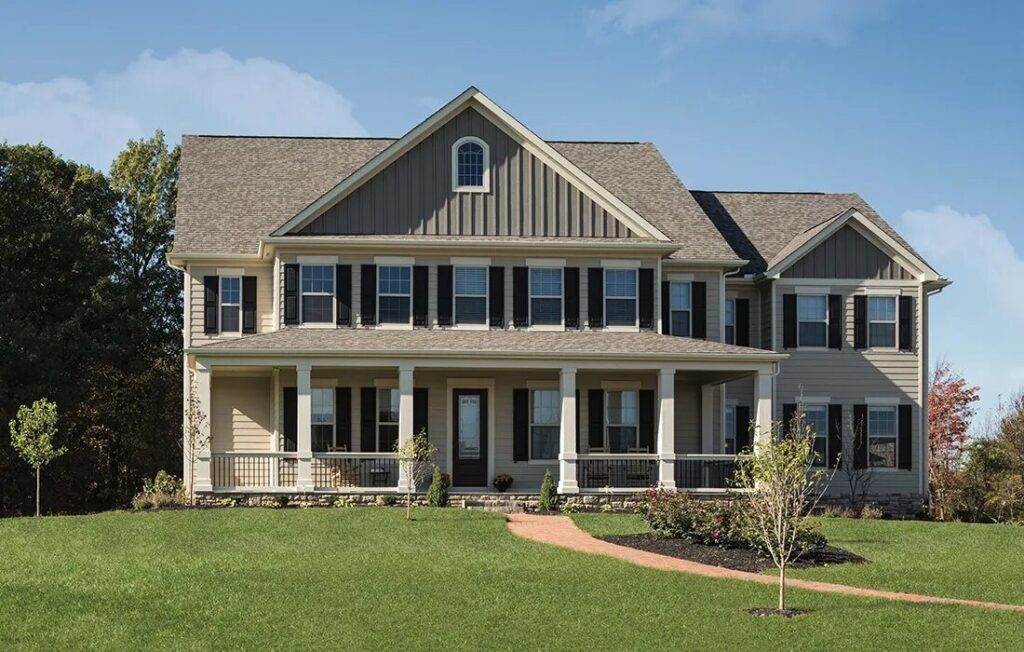
Before diving into material specific care, there are a few universal maintenance practices every homeowner should follow.
First, clean your siding regularly using a gentle approach. Start with a garden hose, mild detergent, and a soft brush. Avoid harsh chemicals and abrasive tools, as these can damage the surface.
Second, inspect your siding at least once or twice a year. Look for cracks, warping, loose panels, or gaps around windows and doors. Addressing small issues early prevents water infiltration and larger repairs.
Third, pay attention to your landscaping. Keep trees, shrubs, and plants trimmed away from your home. This prevents scratches and allows siding to dry properly after rain.
Finally, maintain gutters and downspouts. Poor drainage can cause water to run down your siding, leading to staining, mold, or rot over time.
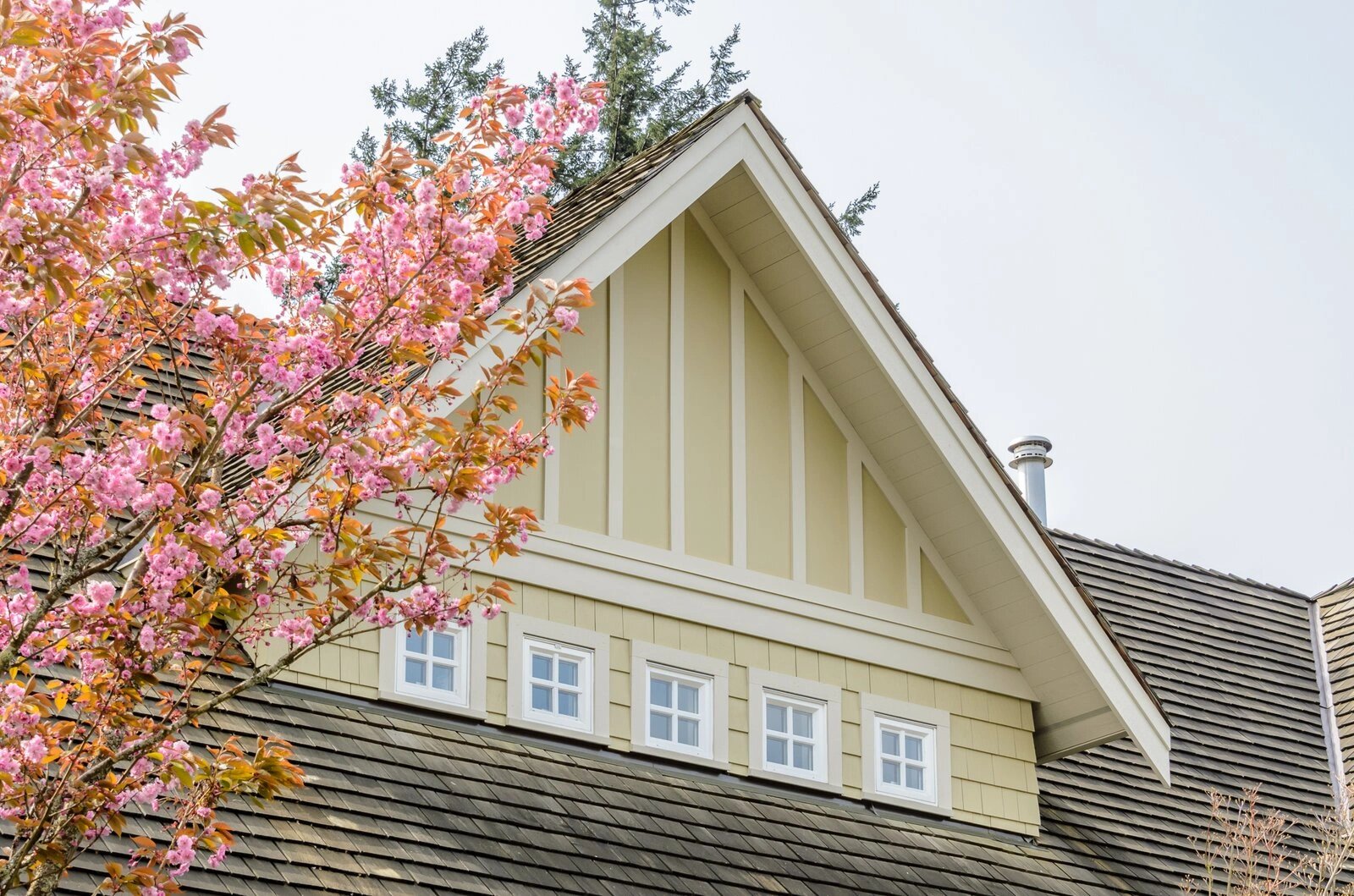
Vinyl siding is one of the most popular choices for homeowners because it is durable, affordable, and relatively low maintenance. However, low maintenance does not mean maintenance free.
Vinyl siding should be cleaned once or twice per year to remove dirt, mildew, and pollen. A simple solution of warm water and mild detergent is usually enough.
Use a soft brush or cloth and gently scrub the surface. Then rinse thoroughly with a garden hose. While pressure washers can be used, they must be handled carefully to avoid forcing water behind the panels or causing damage.
Vinyl siding can become brittle over time, especially in areas with strong sun exposure. Check for cracks, warping, or loose panels after storms or extreme weather.
If you notice any damaged sections, replace them promptly to prevent moisture from getting underneath the siding.
Fiber cement siding, like James Hardie, is known for its durability and resistance to fire, pests, and rot. While it requires less upkeep than wood, it still needs regular care to perform at its best.
Fiber cement siding should be washed every 6 to 12 months to maintain its appearance. Use a garden hose and a soft brush along with mild detergent. Always clean from top to bottom to avoid streaking.
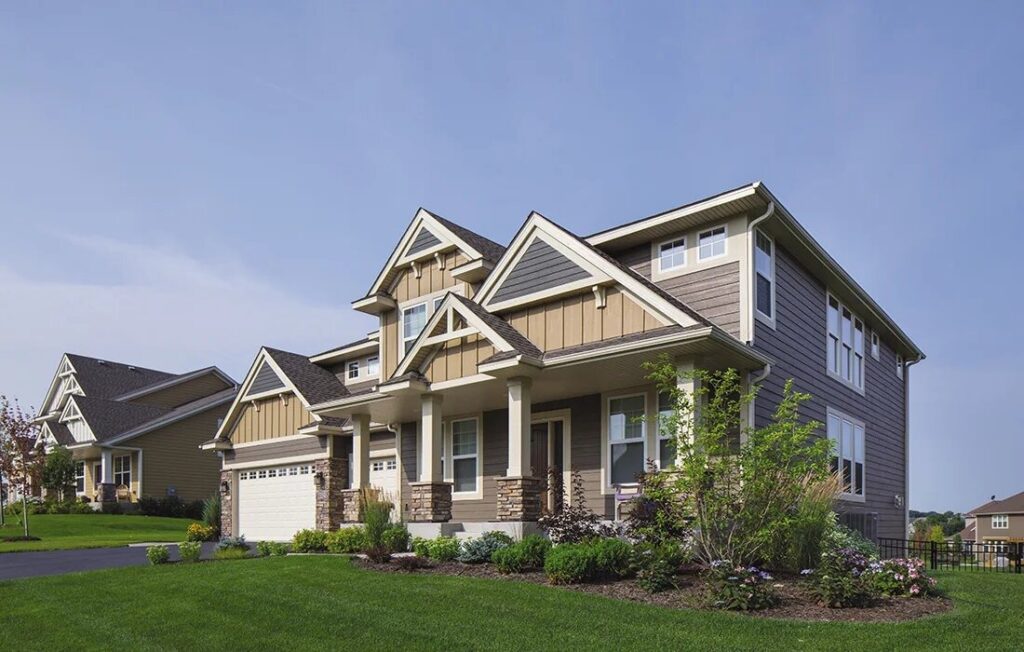
Unlike vinyl, fiber cement siding often has a painted finish that will eventually wear down. Most homes will need repainting every 10 to 15 years depending on exposure and climate.
Inspect caulking around joints, windows, and trim regularly. If you notice cracking or gaps, reapply caulk to keep water out.
Wood siding offers a classic and natural look that many homeowners love. However, it requires the most maintenance of any siding type.
Wood siding should be cleaned at least once a year using a gentle solution such as water and vinegar. Avoid pressure washing, as it can damage the wood fibers.
Wood siding must be sealed, stained, or painted regularly to protect it from moisture and UV damage. Most homes require repainting or restaining every 3 to 7 years depending on climate and exposure.
Engineered wood siding offers the look of real wood with improved durability and lower maintenance requirements.
Engineered wood should be cleaned once or twice a year with a mild detergent and soft brush. This helps maintain its appearance and prevent buildup.
Many engineered wood products come prefinished, but they may still require repainting over time. Inspect for any damage to the protective coating and repair it quickly to prevent moisture intrusion.
Aluminum siding is durable, lightweight, and resistant to many environmental factors. It is a good option for homeowners looking for a low maintenance material.
Aluminum siding should be cleaned annually using a mild detergent and water. A soft brush or cloth works best to remove dirt and grime.
One of the main concerns with aluminum siding is denting. Be cautious when using lawn equipment or placing objects near your home.
Aluminum siding may also require repainting over time to maintain its appearance.
In addition to routine care, seasonal maintenance can help protect your siding throughout the year.
In spring, clean your siding to remove pollen and debris from winter. In summer, inspect for sun damage or fading. In fall, clear gutters and remove leaves to prevent moisture buildup. In winter, check for storm damage and ensure proper drainage around your home.
Homes in humid climates should pay extra attention to mold and mildew prevention, as moisture can accelerate siding deterioration.
While many maintenance tasks can be handled by homeowners, there are times when professional help is the better option.
If your home has multiple stories, extensive mold growth, or visible structural damage, it is best to call a siding professional. Improper cleaning techniques or repairs can sometimes do more harm than good.
Professional inspections can also identify hidden issues that may not be visible to the untrained eye.
Maintaining your siding is one of the most important steps you can take to protect your home and preserve its value. By understanding the specific needs of your siding material, you can create a maintenance routine that keeps your exterior looking great and performing well for years to come.
Whether you have vinyl, fiber cement, wood, or another material, the key is consistency. Regular cleaning, inspections, and timely repairs go a long way in preventing costly issues down the road.
At Carolina Exteriors, we help homeowners protect their investment with expert siding services and guidance tailored to their needs. If you are unsure about your siding’s condition or want professional support, our team is ready to help. Contact our team online or call 919-886-7587 to schedule a free consultation!
Most siding types should be cleaned at least once a year, though twice a year is ideal in humid climates.
It depends on the material. Vinyl can handle low pressure, while wood and fiber cement should be cleaned more gently.
Vinyl and fiber cement are considered the lowest maintenance, but they still require routine care.
Regular cleaning, proper drainage, and keeping vegetation away from your home all help prevent mold growth.
If you notice widespread damage, warping, rot, or repeated repair needs, it may be time for a full replacement.

Get a free, no obligation estimate.
Financing Available

Speak with one of our experience team members who can help you make the best decisions for your home. Give us a call at (984) 279-1776 or request a consultation below.
No obligation | Financing available

Carolina Exteriors is the Raleigh area’s most recommended and referred specialty replacement contracting company. Boasting an impressive 60% referral and repeat customer rate, we are the trusted professionals for James Hardie® HardiePlank siding, replacement windows, entry doors, roofing, and gutters.
© 2025 Carolina Exteriors. Sitemap Privacy Policy
Site by HipBip.co