How Long Does Home Siding Repair and Painting Take?
April 23, 2026
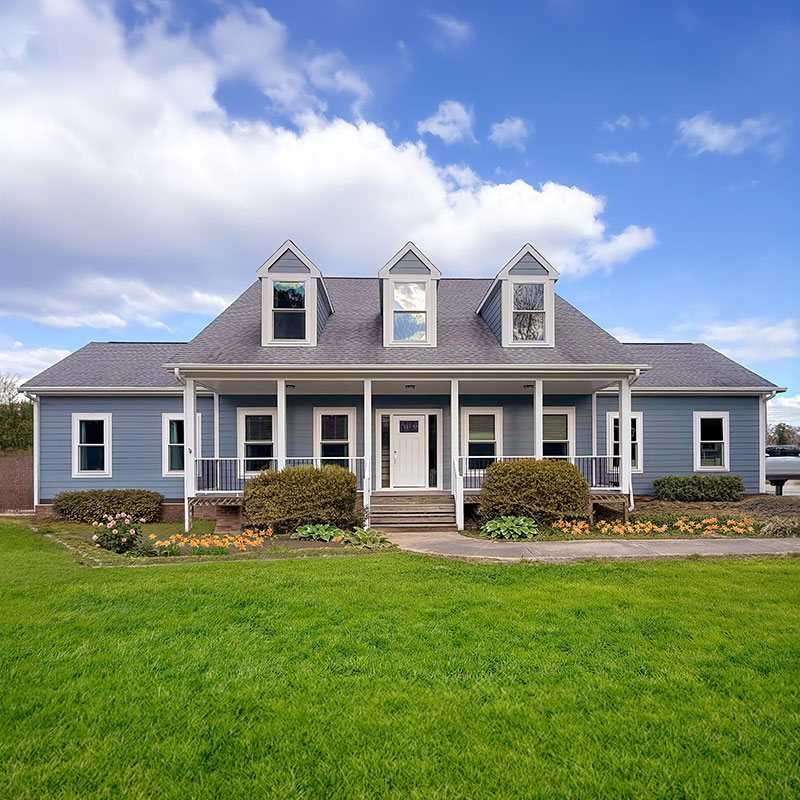
You’ve found a beautiful exterior color in an inspiration photo. It looks perfect with the white trim, dark roof, and welcoming front porch. But will that same shade look just as good on your home, with its unique architecture, brickwork, landscaping, and natural light?
That’s where choosing a siding color gets tricky. A shade that looks warm and inviting on one house can appear surprisingly cool or dark on another. And when you’re investing in new siding, you want to feel confident that your choice will look beautiful for years.
Fortunately, the wide range of James Hardie siding colors makes it possible to create everything from timeless traditional exteriors to bold contemporary designs. The key is finding a color that works with your home’s existing features rather than simply following trends.
At Carolina Exteriors, we’ve spent more than 15 years helping homeowners throughout Raleigh, Cary, Apex, Durham, and surrounding Triangle communities transform their exteriors. With 90+ years of combined remodeling and construction experience, our team understands how siding, color, and finishing details work together.
This guide explores popular James Hardie colors and practical tips for choosing a finish that complements your home.
Have a vision for your home’s exterior? Call Carolina Exteriors at 919-886-7587 or schedule your siding consultation online today. We’ll help turn your favorite colors into a cohesive exterior design.
Imagine two homes with identical layouts but completely different siding colors. One features soft white siding with dark trim, creating a bright, classic appearance. The other has deep charcoal siding with warm wood accents, giving the same architecture a contemporary feel.
The right James Hardie siding color doesn’t just improve curb appeal. It brings out your home’s character and ties its architectural features together.
Before narrowing down your options, consider:
The goal is an exterior that feels thoughtfully designed while reflecting your personal taste.
James Hardie offers factory-finished colors ranging from classic neutrals to deeper, more expressive shades. Here are five color families worth exploring.
Colors to consider: Arctic White, Cobble Stone
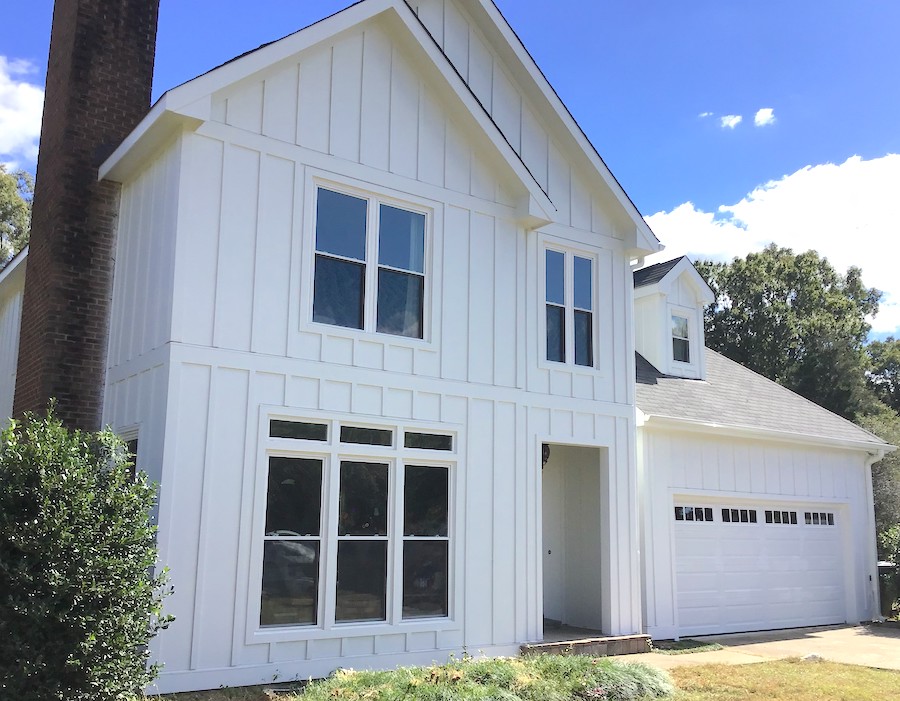
White and cream siding create a timeless appearance that complements Colonial, farmhouse, and traditional architecture.
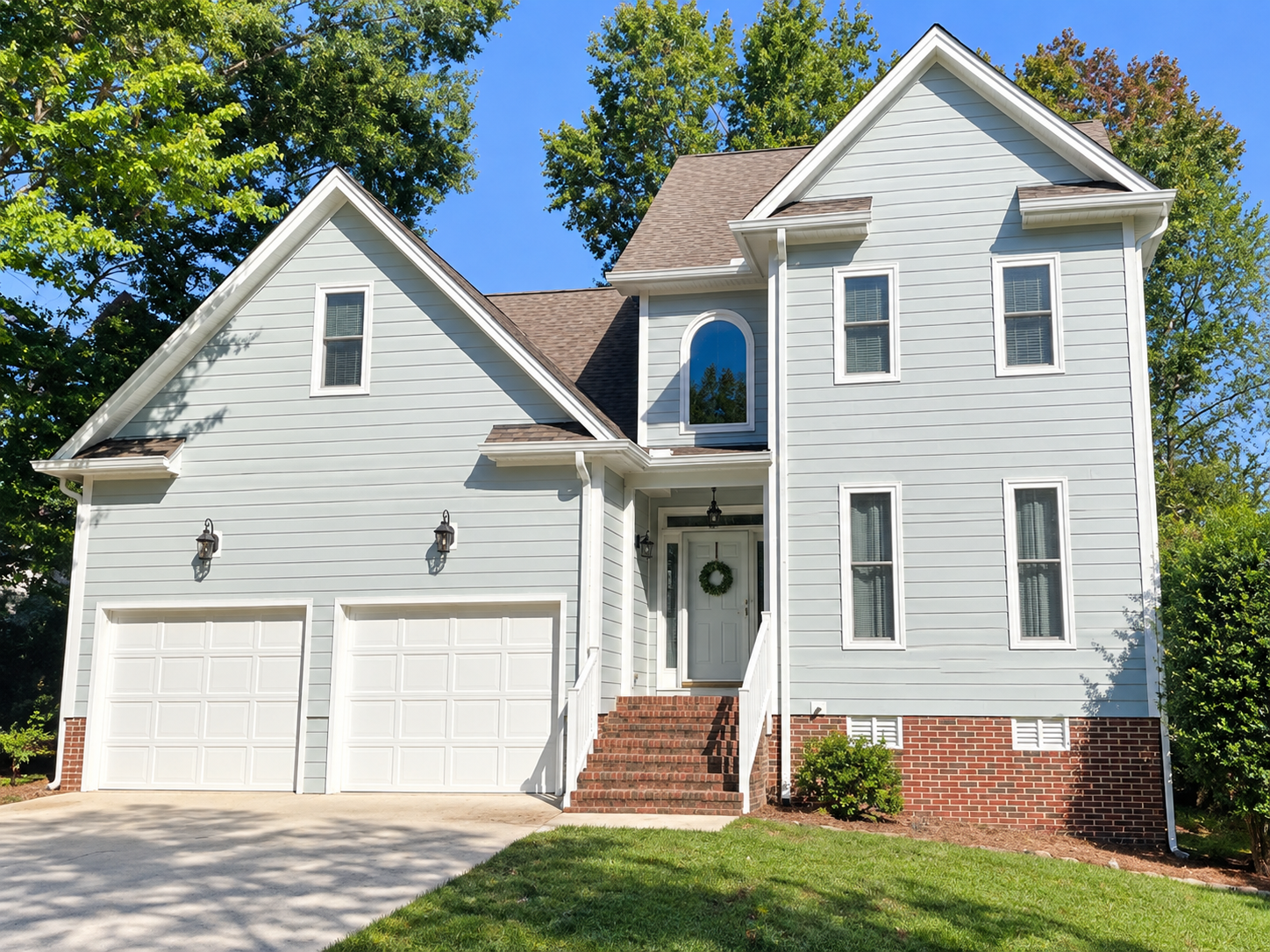
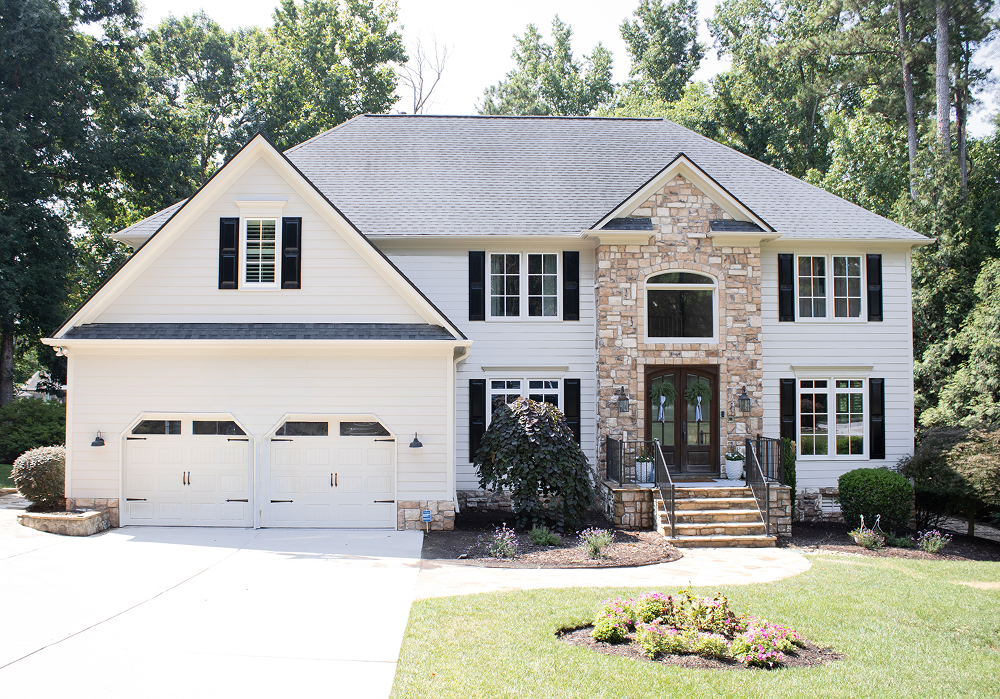
Arctic White pairs beautifully with black shutters and contrasting roofing. Warmer shades such as Cobble Stone can soften the exterior and complement brick or stone.
Best for: Bright, classic exteriors.
Colors to consider: Aged Pewter, Monterey Taupe, Khaki Brown
Warm grays, taupes, and greige tones offer a sophisticated alternative to beige or cool gray.
These shades coordinate well with natural stone, bronze fixtures, wood accents, and warm-toned roofing.
Best for: Traditional and transitional homes seeking understated elegance.
Colors to consider: Pearl Gray, Gray Slate, Iron Gray
Gray siding ranges from subtle silver to dramatic charcoal, making it adaptable to many architectural styles.
Lighter grays can refresh traditional homes, while deeper shades create a modern appearance with white trim, black windows, or natural wood.
Best for: Contemporary exteriors with architectural contrast.
Colors to consider: Evening Blue, Boothbay Blue
Blue siding adds personality without overwhelming your home’s architecture.
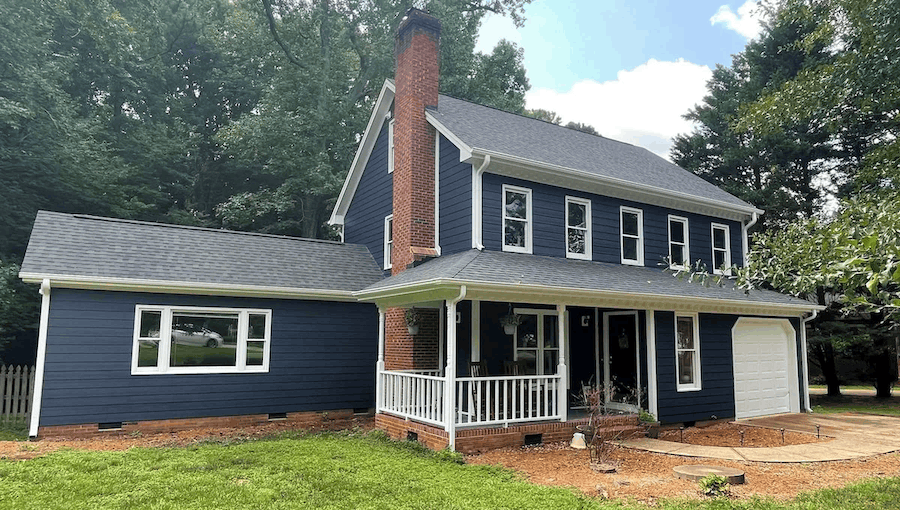
Muted blue-gray shades pair well with white trim and natural stone, while deeper navy tones create striking contrast.
Best for: Craftsman, coastal-inspired, and traditional homes.
Colors to consider: Mountain Sage, Heathered Moss
Green siding can help a home feel connected to its landscaping, making it appealing for wooded properties throughout the Triangle.
Muted greens coordinate naturally with warm stone, wood accents, cream trim, and darker roofing.
Best for: Craftsman homes, wooded lots, and nature-inspired designs.
For additional inspiration, explore our modern siding ideas and trends for 2027.
Color availability varies by product, collection, and region. Confirm current options before finalizing your design.
Finding a color you love is only the beginning. Before committing, consider how it will work with your home’s architecture, natural light, and existing features.
Your home’s design provides a natural starting point for color selection.
| Architectural Style | Colors to Consider |
| Colonial or traditional | Arctic White, Cobble Stone, Pearl Gray |
| Modern farmhouse | Arctic White, Iron Gray, Aged Pewter |
| Craftsman | Mountain Sage, Monterey Taupe, Boothbay Blue |
| Coastal-inspired | Light Mist, Boothbay Blue, Arctic White |
| Contemporary | Iron Gray, Evening Blue, Gray Slate |
These are suggestions, not strict rules. Choose colors that enhance your home’s character.
Unless you’re planning a complete exterior renovation, some materials will remain unchanged.
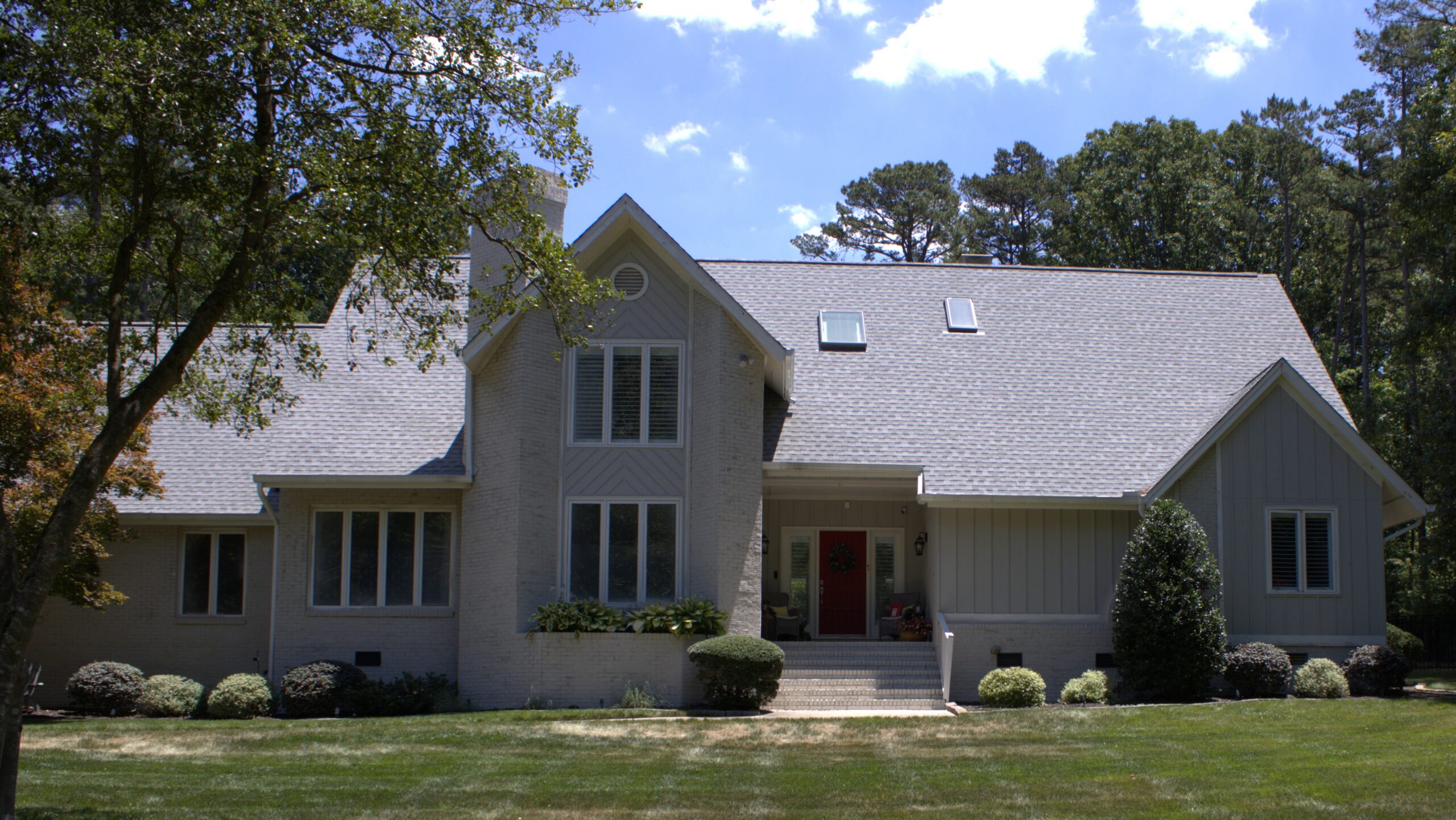
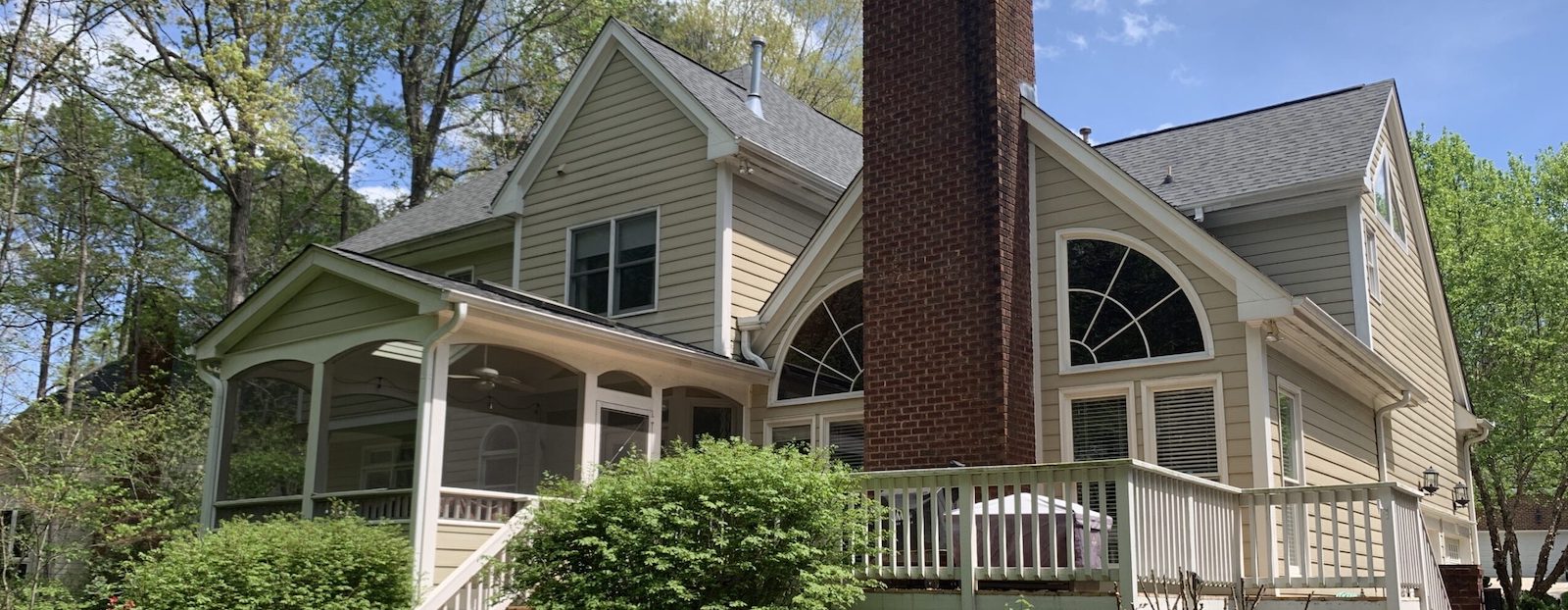
Warm red brick often pairs well with cream, taupe, or muted green. Gray stone may coordinate better with cool grays, blues, or crisp white.
Pay attention to undertones. A warm beige-gray may clash with a cool blue-gray, even when both appear neutral individually.
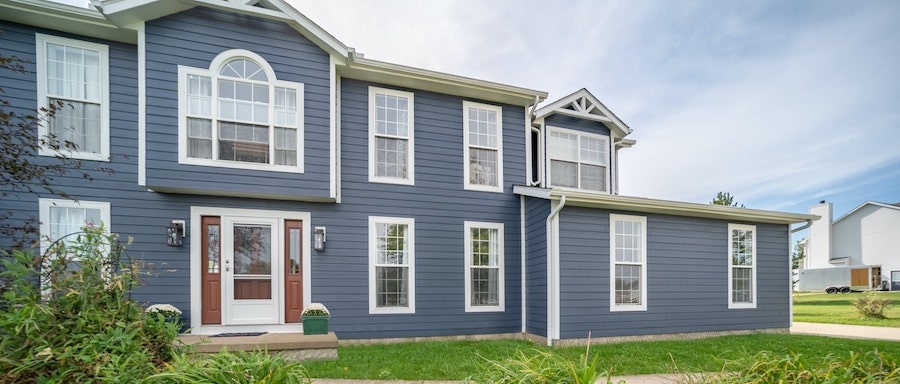
Siding colors can look different throughout the day.
Direct sunlight may make lighter shades appear brighter, while shaded areas can make darker colors look deeper or cooler.
In the Triangle, mature trees and varying sun exposure can create noticeable differences between different sides of a home.
View physical samples outdoors in morning light, afternoon sun, and shade before deciding.
Lighter colors, such as Arctic White and Cobble Stone, create a bright, welcoming appearance.
Darker colors, such as Iron Gray and Evening Blue, emphasize architectural details and create dramatic contrast.
Darker finishes may also make pollen, dust, and surface marks more noticeable. Consider your surroundings and maintenance preferences when choosing.
A successful design considers more than the primary siding color.
For example, Evening Blue siding with Arctic White trim and a natural wood front door creates a distinctive yet balanced exterior.
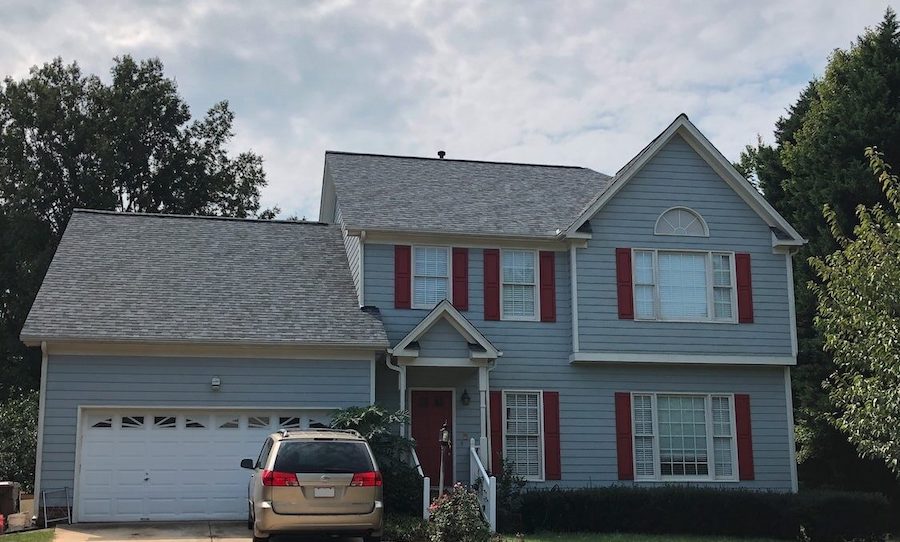
Online inspiration photos are helpful, but they can’t fully show how a color will look on your property.
James Hardie offers color and design resources to help homeowners explore siding combinations.
Physical samples also allow you to compare finishes with existing roofing, brick, and trim under different lighting conditions.
Siding is a long-term investment, so choose a color you’ll appreciate for years.
A neutral shade can provide a versatile foundation for bolder accents that are easier to change later.
The best James Hardie siding color isn’t necessarily the most popular one. It’s the shade that complements your home and feels right long after installation.
Choosing a color also means deciding how your siding will be finished.
James Hardie ColorPlus Technology uses a factory-applied, heat-cured finish designed for consistent color and resistance to peeling, chipping, and cracking.
Homeowners can explore the Statement Collection and expanded Dream Collection, depending on product and regional availability.
Factory-primed James Hardie siding can also be painted after installation for additional color flexibility.
| ColorPlus Technology | Site-Painted Siding |
| Factory-applied finish | Painted after installation |
| Manufacturer color collections | Broad custom color selection |
| Consistent factory application | Quality depends on preparation and painting |
| 15-year limited finish warranty | Paint warranty varies |
ColorPlus may be ideal if your preferred shade is available as a factory finish, while site painting offers flexibility for customized designs.
Even an attractive color can disappoint if it doesn’t coordinate with your home.
Avoid these common mistakes:
Thoughtful planning helps prevent costly changes and creates a more cohesive exterior.
Choosing the right siding color is only one part of creating an exterior you’ll love. Bringing that vision to life requires thoughtful design, skilled craftsmanship, and attention to detail.
At Carolina Exteriors, we believe your home deserves extraordinary care. With 90+ years of combined remodeling and construction experience, our team brings the expertise and creativity needed for successful exterior transformations.
Here’s what sets our approach apart:
Explore our James Hardie siding services to learn how we can bring your vision to life.
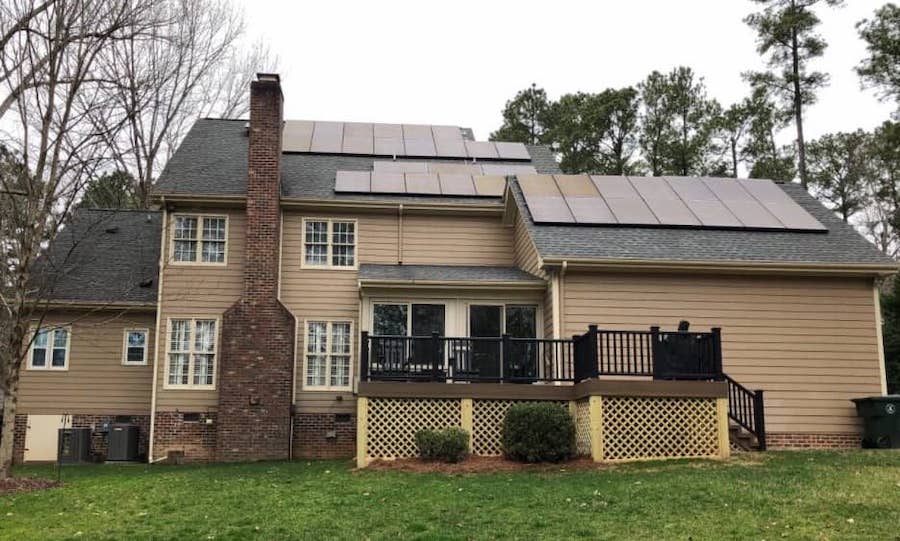
Your home’s exterior should feel cohesive, welcoming, and unmistakably yours. Whether you’re drawn to timeless Arctic White, sophisticated Iron Gray, or nature-inspired Mountain Sage, the right James Hardie siding color can transform its appearance.
At Carolina Exteriors, we’ll help you move beyond inspiration photos to a personalized design that complements your architecture, reflects your style, and fits your remodeling goals.
Ready to fall in love with your home’s exterior? Call Carolina Exteriors at 919-886-7587 or schedule your siding consultation online today. Let’s find the perfect James Hardie siding color and bring your vision to life.
Q: What is the most popular James Hardie siding color?
Arctic White has historically been one of James Hardie’s popular exterior colors. Other widely featured choices include Cobble Stone, Iron Gray, Aged Pewter, and Pearl Gray. The best color for your home depends on its architecture, existing materials, and personal preferences.
Q: What is the best James Hardie siding color for a brick house?
Warm neutrals such as Cobble Stone and Monterey Taupe can complement traditional red brick, while muted greens and grays offer attractive alternatives. The ideal combination depends on the brick’s undertones, mortar color, roofing, and trim.
Q: Do dark James Hardie siding colors fade faster?
Darker exterior colors can show changes in appearance differently from lighter shades, depending on sun exposure and environmental conditions. James Hardie’s ColorPlus Technology is engineered to resist fading, but no exterior finish is completely immune to weathering.
Q: Can you mix two James Hardie siding colors?
Yes. Two-tone exteriors can add depth and highlight architectural features. For example, homeowners might use a lighter color for the main siding and a darker shade on gables or board-and-batten accents. Coordinating trim helps unify the design.
Q: Can I preview James Hardie siding colors before installation?
Yes. James Hardie’s design resources can help homeowners explore siding colors and profiles. Physical samples provide another way to evaluate finishes alongside existing exterior materials and under different lighting conditions.
Q: Are all James Hardie siding colors available in North Carolina?
Not necessarily. Color availability varies by region, product line, and siding profile. Carolina Exteriors can help homeowners throughout Raleigh and the Triangle review available finishes and select combinations suited to their projects.

Get a free, no obligation estimate.
Financing Available

Speak with one of our experience team members who can help you make the best decisions for your home. Give us a call at (984) 279-1776 or request a consultation below.
No obligation • Financing available

Carolina Exteriors is the Raleigh area’s most recommended and referred specialty replacement contracting company. Boasting an impressive 60% referral and repeat customer rate, we are the trusted professionals for James Hardie® HardiePlank siding, replacement windows, entry doors, roofing, and gutters.
© 2025 Carolina Exteriors. Sitemap Privacy Policy
Site by HipBip.co