What Do I Need to Know Before Getting a Roof Replacement Service?
January 29, 2026
Choosing between Hardie board vs. brick is about more than deciding which exterior looks better. Both materials are known for durability and curb appeal, but they differ significantly in maintenance, design flexibility, installation requirements, and how easily they can be incorporated into an existing home.
At Carolina Exteriors, siding has been a core part of our work for more than 15 years. As a James Hardie Elite contractor, our team brings specialized product knowledge, installation experience, and design expertise to fiber cement projects of all sizes. We also understand how new siding can work alongside existing brick, allowing homeowners to preserve the character they love while updating other areas of the exterior.
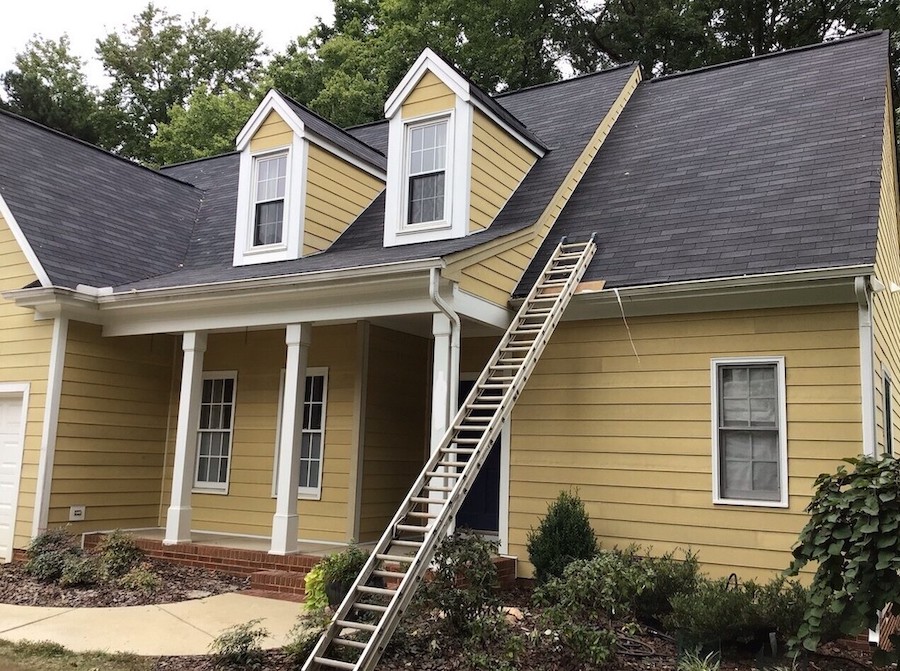
In this guide, we’ll compare Hardie board vs. brick across durability, maintenance, moisture performance, fire resistance, design flexibility, installation, and overall value. By understanding where each material excels, you can make a more informed decision about which option best fits your home.
If you’re already considering an exterior update, you don’t have to sort through the options alone. Call Carolina Exteriors at 919-886-7587 or contact us online today to schedule a siding consultation and find out whether James Hardie siding, existing brick, or a combination of both makes the most sense for your home.
Although brick and Hardie siding both protect the exterior of your home, they do so in very different ways.
Brick veneer is a masonry cladding system installed in front of the home’s structural wall. Its performance depends on several components working together, including mortar, flashing, weep holes, wall ties, and a drainage cavity behind the brick.
Hardie board, commonly used to describe James Hardie fiber cement siding, is an engineered cladding made primarily from cement, sand, and cellulose fibers. Unlike brick, it is available in a wide range of profiles and finishes, including:
Both materials act as exterior cladding rather than the home’s primary structural wall. The biggest difference is flexibility. Brick offers a more traditional masonry look, while Hardie siding gives homeowners more options for color, texture, profile, and overall exterior design.
That makes the real decision less about which material is universally better and more about which one fits your home, budget, remodeling plans, and design goals.
Both materials are durable, attractive, and well suited to long-term exterior use, but they tend to appeal to homeowners for different reasons.
Brick is known for:
James Hardie siding stands out for:
Fiber cement has also become increasingly common in residential construction. According to the National Association of Home Builders, fiber cement was used as the principal exterior wall material on 22.6% of single-family homes starting in 2025, compared with just under 17% for brick.
That growing popularity reflects one of Hardie siding’s biggest advantages: it gives homeowners many of the durability benefits they want from a premium exterior material while offering far more flexibility in how the finished home can look. From here, the comparison comes down to how each material performs in specific areas such as durability, moisture management, maintenance, and remodeling versatility.
Brick has an undeniable durability advantage when you look strictly at the masonry itself.
Properly installed brick can remain serviceable for generations. It does not rot, insects cannot consume it, and individual bricks require little routine maintenance.
However, homeowners still need to monitor the entire wall system, including:
Hardie siding takes a different approach. James Hardie fiber cement products are engineered to resist moisture, weather, rot, and pests, and the company offers regional formulations through its Hardie Zone system.
Bottom line: Brick may last longer as a material, but Hardie delivers strong durability in a lighter, more adaptable siding system that is often easier to use in remodeling projects.
Moisture protection depends on more than the exterior material you can see. Whether a home is clad in brick or Hardie siding, the wall system behind it also plays an important role in keeping water from reaching the structure.
The U.S. Department of Energy explains that moisture can get past exterior cladding, which is why a continuous drainage plane behind the exterior is so important. This layer helps direct water down and away from the wall cavity before it can cause damage.
Brick veneer typically manages moisture through:
Hardie siding relies on:
The key takeaway is that installation quality matters just as much as material selection. Brick and fiber cement can both perform well in wet conditions, but neither can make up for poor flashing or improper drainage details.
That makes the contractor and installation method especially important when comparing long-term performance. From moisture protection, the next question is how each material holds up against other exterior threats, including fire, pests, and everyday weather exposure.
Both brick and James Hardie fiber cement siding are noncombustible, making them strong options when fire resistance is a priority.
The main difference is flexibility. Brick offers traditional masonry construction, while Hardie provides similar fire-resistant benefits with more options for color, profile, and exterior design.
For homeowners who want a noncombustible exterior without committing to full masonry, Hardie siding can be a more versatile choice.
Design flexibility is where Hardie board vs. brick becomes a much clearer comparison. Brick delivers a classic masonry look, but its color, texture, and overall appearance are relatively fixed once installed.
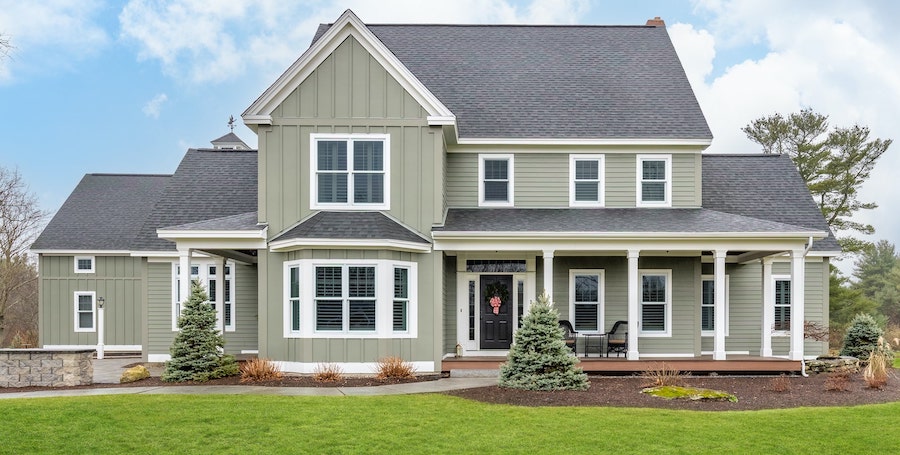
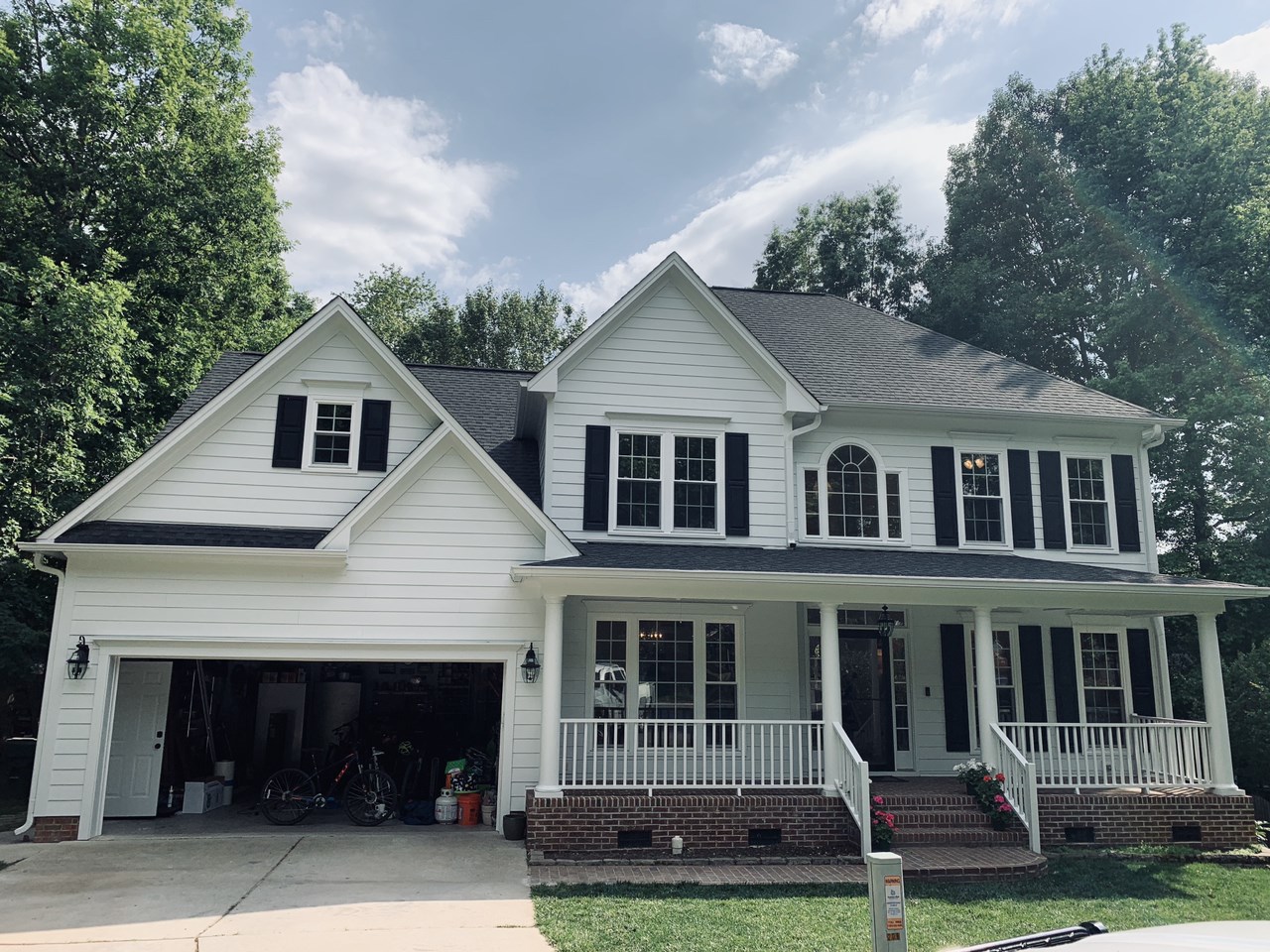
Hardie siding gives homeowners far more freedom to customize an exterior with:
That versatility is especially valuable during a remodel. Hardie siding can highlight gables, entries, additions, and other architectural features without requiring a full masonry conversion.
For homeowners who want durability along with the freedom to significantly update their home’s appearance, Hardie offers a clear design advantage.
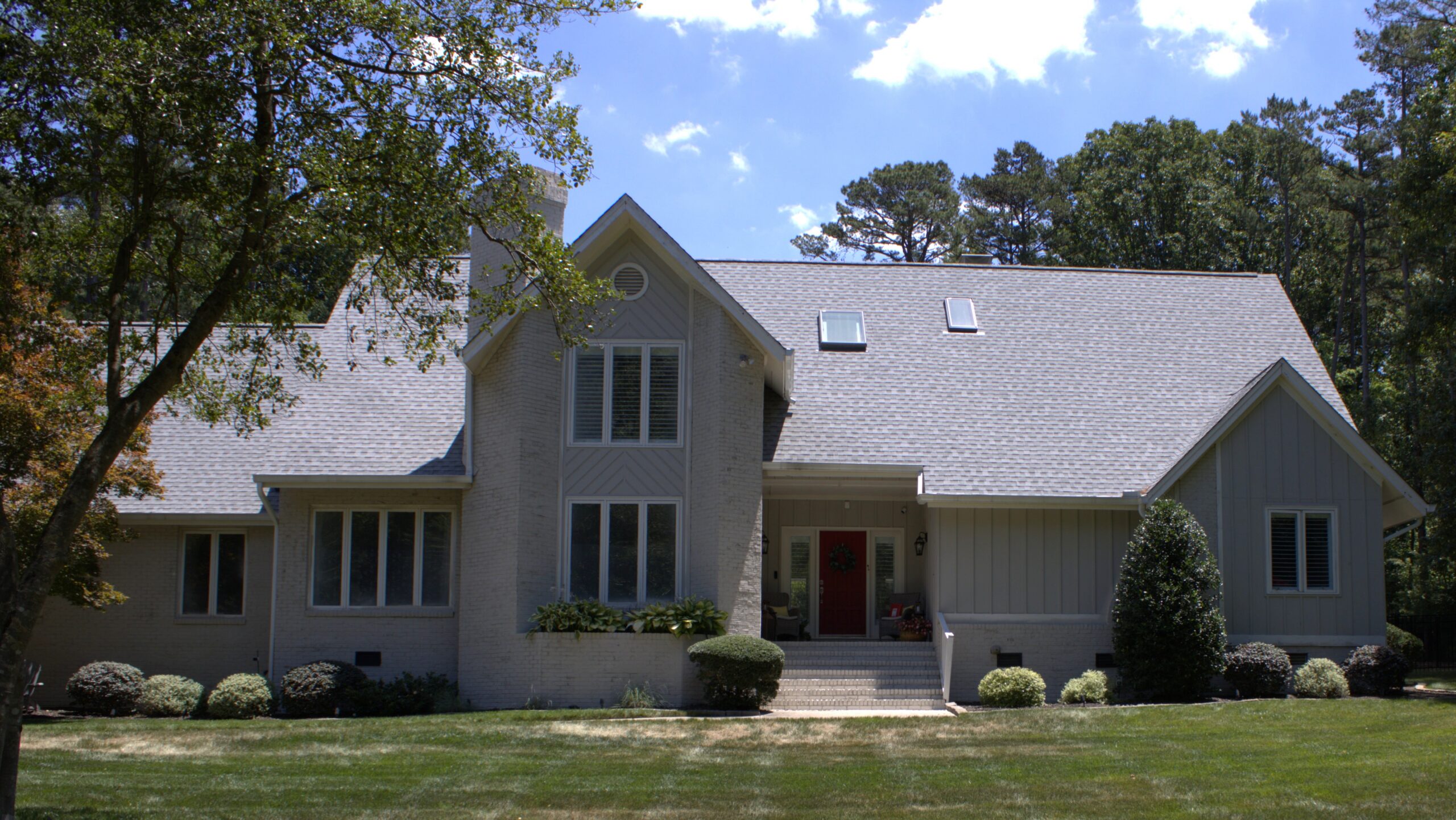
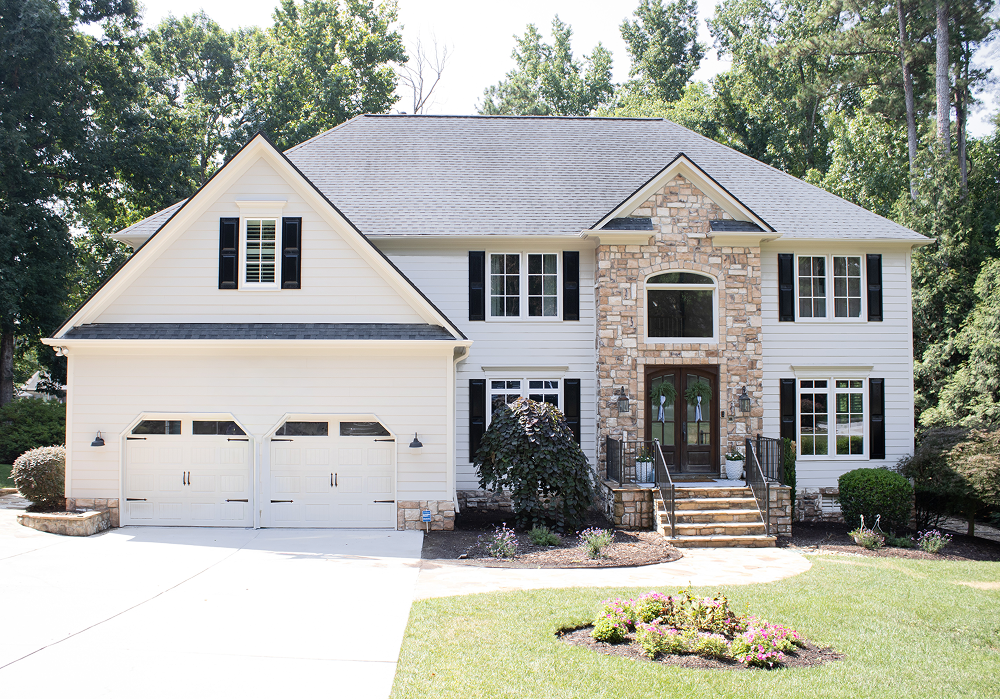
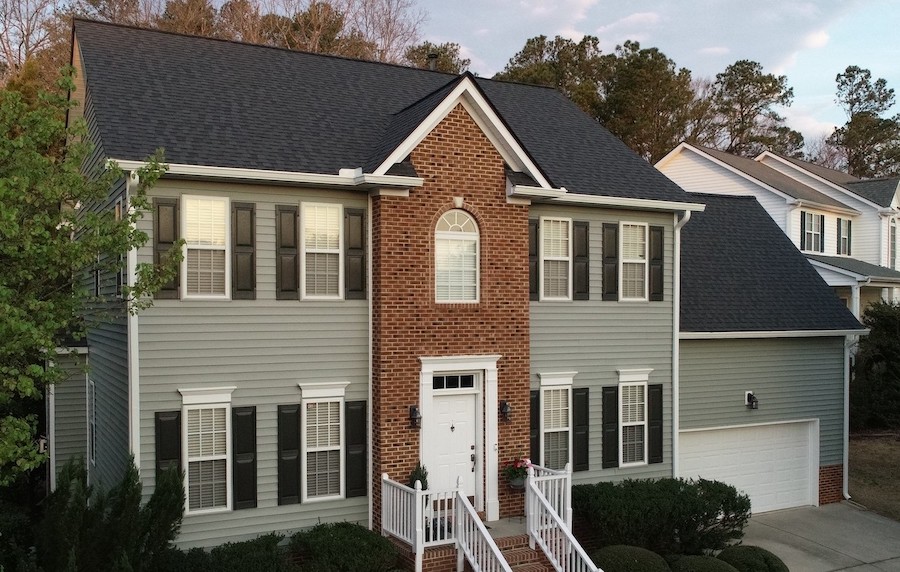
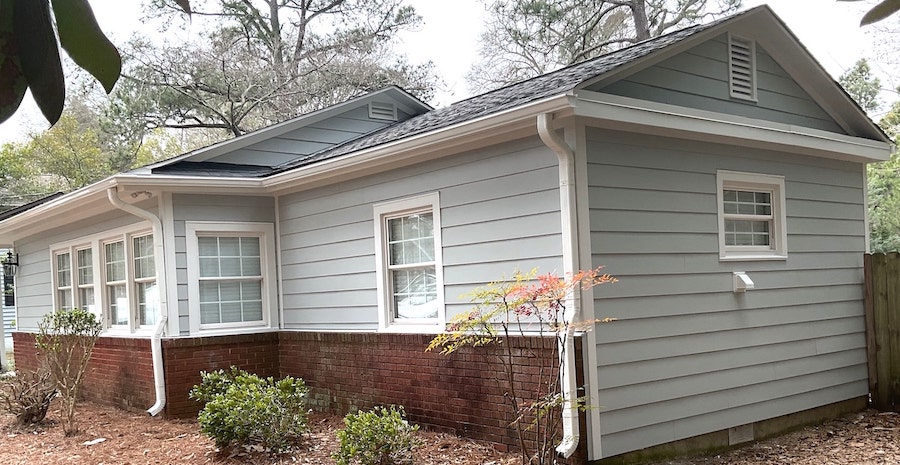
Choosing between Hardie board vs. brick does not always mean committing to one material across the entire home. In many cases, the most visually interesting exterior uses both.
Brick adds texture, depth, and traditional character, while Hardie siding introduces more flexibility in color and profile. Together, they can create a layered exterior that feels updated without losing the home’s original character.
Popular combinations include:
If your existing brick is still in good condition, keeping it can often make more sense than replacing it. Hardie siding can work alongside that masonry to modernize other parts of the exterior and give you more design flexibility without starting from scratch.
Brick generally requires less finish maintenance because it does not typically need painting or refinishing. Homeowners should still monitor mortar joints, flashing, sealants, weep holes, and cracking.
Hardie siding requires periodic cleaning and inspection, along with touch-ups or repainting when needed. James Hardie’s ColorPlus products use a factory-applied finish designed to improve consistency and resistance to fading, chipping, peeling, and cracking.
Bottom line: Brick is lower maintenance, while Hardie offers more design flexibility.
Costs vary based on the size of the home, labor, materials, demolition, design complexity, and existing wall conditions.
Brick typically involves specialized masonry labor and a more complex wall assembly. Fiber cement also requires skilled installation, but it is often more practical for siding replacement and exterior remodeling.
For many homeowners, Hardie offers a strong balance of durability, appearance, and remodeling flexibility. Carolina Exteriors can help determine whether complete siding replacement or a mixed-material design makes the most sense.
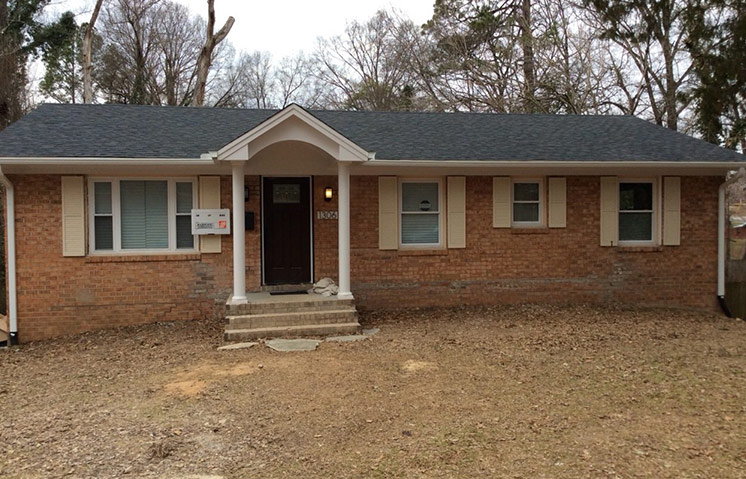
Brick may make more sense if:
If your existing brick is in good condition, keeping it and updating other portions of the exterior may be the better approach.
Hardie becomes especially compelling when you want durability without sacrificing design flexibility.
It may be the stronger option if you want to:
James Hardie’s HZ10 product line is also engineered for hot, humid conditions, intense sun, and heavy rain.
For homeowners focused on remodeling, Hardie offers something brick cannot provide as easily: the ability to dramatically transform the exterior while still using a durable engineered cladding.
Choosing between Hardie board and brick is only part of the decision. The contractor you choose also affects how well your exterior performs and how polished the finished project looks.
Carolina Exteriors has more than 15 years of exterior remodeling experience and extensive experience with siding replacement and fiber cement installation. As a James Hardie Elite contractor, our team brings specialized product knowledge and installation expertise to every project.
Homeowners choose Carolina Exteriors for:
That experience is particularly useful when a home already includes brick. Instead of assuming you need one material across the entire exterior, our team can help determine where existing masonry should remain and where James Hardie siding can create a more updated design.
The right exterior update should fit your home’s architecture, condition, and long-term goals. That may mean preserving existing brick, introducing James Hardie siding, or combining both for a more cohesive result.
Carolina Exteriors brings more than 15 years of exterior remodeling experience and specialized expertise as a James Hardie Elite contractor. Our team can help you move from material selection and design planning to professional installation with a clear, well-informed approach.
Ready to update your exterior? Call Carolina Exteriors at 919-886-7587 today or contact us online to schedule your siding consultation.
Q: Is Hardie Board as Durable as Brick?
Brick can last for generations when properly installed and maintained. Hardie fiber cement siding is also highly durable and engineered to resist moisture, rot, pests, and weather, though it does not have the same masonry lifespan as brick.
Q: Is Hardie Board Lower Maintenance Than Brick?
Usually not. Brick generally requires less finish maintenance, while Hardie siding may need periodic cleaning, inspection, touch-ups, or repainting over time.
Q: Is Hardie Board Fire Resistant?
Yes. James Hardie fiber cement siding is noncombustible. Brick is also noncombustible, so both materials perform well from a fire-resistance standpoint.
Q: Can You Use Hardie Siding With Brick?
Yes. Combining Hardie siding with existing brick is a popular way to add contrast, update older areas of the exterior, and introduce more color and profile variety without removing good masonry.
Q: Is Hardie Board Better for Remodeling Than Brick?
In many cases, yes. Hardie siding is often easier to integrate into framed residential construction and gives homeowners more flexibility with profiles, colors, accents, and mixed-material designs.
Q: Is Hardie Board Better Than Brick?
Neither material is universally better. Brick stands out for longevity and low finish maintenance, while Har
Get a free, no obligation estimate.
Financing Available

Speak with one of our experience team members who can help you make the best decisions for your home. Give us a call at (984) 279-1776 or request a consultation below.
No obligation | Financing available

Carolina Exteriors is the Raleigh area’s most recommended and referred specialty replacement contracting company. Boasting an impressive 60% referral and repeat customer rate, we are the trusted professionals for James Hardie® HardiePlank siding, replacement windows, entry doors, roofing, and gutters.
© 2025 Carolina Exteriors. Sitemap Privacy Policy
Site by HipBip.co