
Your Triangle CertainTeed SELECT Roofing ShingleMaster
April 16, 2026
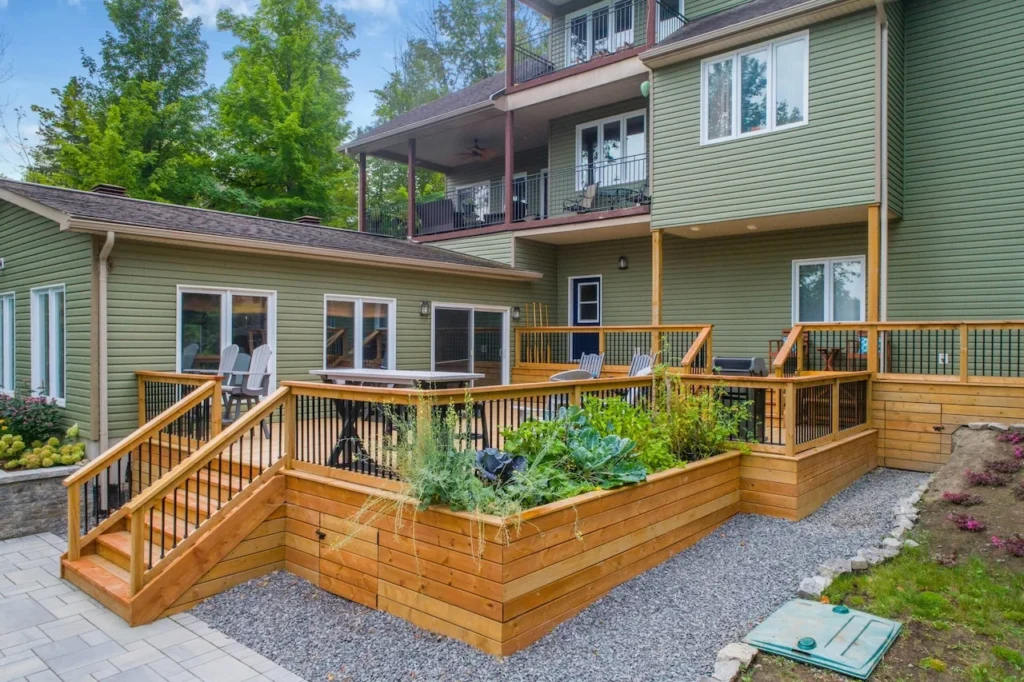
Composite decking vs. wood is one of the most important comparisons homeowners make when planning a new outdoor living space. While both decking materials offer unique advantages, North Carolina’s humid climate, intense sun, and seasonal weather can significantly impact how each performs over time. Understanding the differences in durability, maintenance, cost, and long-term value will help you choose the best decking material for your home.
From the humid summers in Raleigh and Cary to the heavy spring rains that move through Durham, Apex, and the surrounding Triangle, decks are exposed to constant moisture, UV rays, pollen, and seasonal temperature swings. These conditions can accelerate wear on traditional wood decking, making durability and maintenance key considerations for homeowners.
If you’re deciding between composite and wood decking, the right choice depends on your budget, maintenance preferences, design goals, and how long you plan to stay in your home. While wood remains a timeless option with natural beauty and a lower upfront cost, modern composite decking has become the preferred choice for many homeowners because of its longevity, low maintenance requirements, and long-term value.
At Carolina Exteriors Plus, we’ve helped homeowners throughout the Triangle create beautiful outdoor living spaces designed for North Carolina’s climate. Whether you’re planning a brand-new deck or upgrading an existing one, our Deck Installation Services can help you choose the right materials for your home.
Composite decking resists moisture, insects, mold, mildew, fading, and splintering while requiring very little maintenance. Although it typically costs more initially than wood, the reduced maintenance and longer lifespan often make composite the better investment over time.
Wood decking remains an excellent choice for homeowners who:
| Feature | Composite Decking | Wood Decking |
| Initial Cost | Higher | Lower |
| Maintenance | Very Low | High |
| Lifespan | 25–50+ Years | 10–20 Years |
| Rot Resistance | Excellent | Moderate |
| Splinter Resistance | Excellent | Can Splinter |
| Painting or Staining | Never Required | Every 1–3 Years |
| Fade Resistance | Excellent | Moderate |
| Insect Resistance | Excellent | Susceptible |
| Best For | Low Maintenance & Long-Term Value | Natural Beauty & Lower Upfront Cost |
North Carolina is an ideal place for outdoor living, but it also presents unique challenges for exterior building materials.
Throughout the year, decks are exposed to:
Traditional wood decking naturally absorbs moisture, causing it to expand and contract as humidity levels change. Over time, this movement can lead to cracking, splitting, warping, loose fasteners, and even structural deterioration if maintenance is neglected.
Composite decking is engineered to reduce many of these issues. Its protective outer shell resists moisture penetration while helping prevent fading, staining, and insect damage. This makes composite an excellent option for homeowners who want to spend more time enjoying their outdoor space instead of maintaining it.
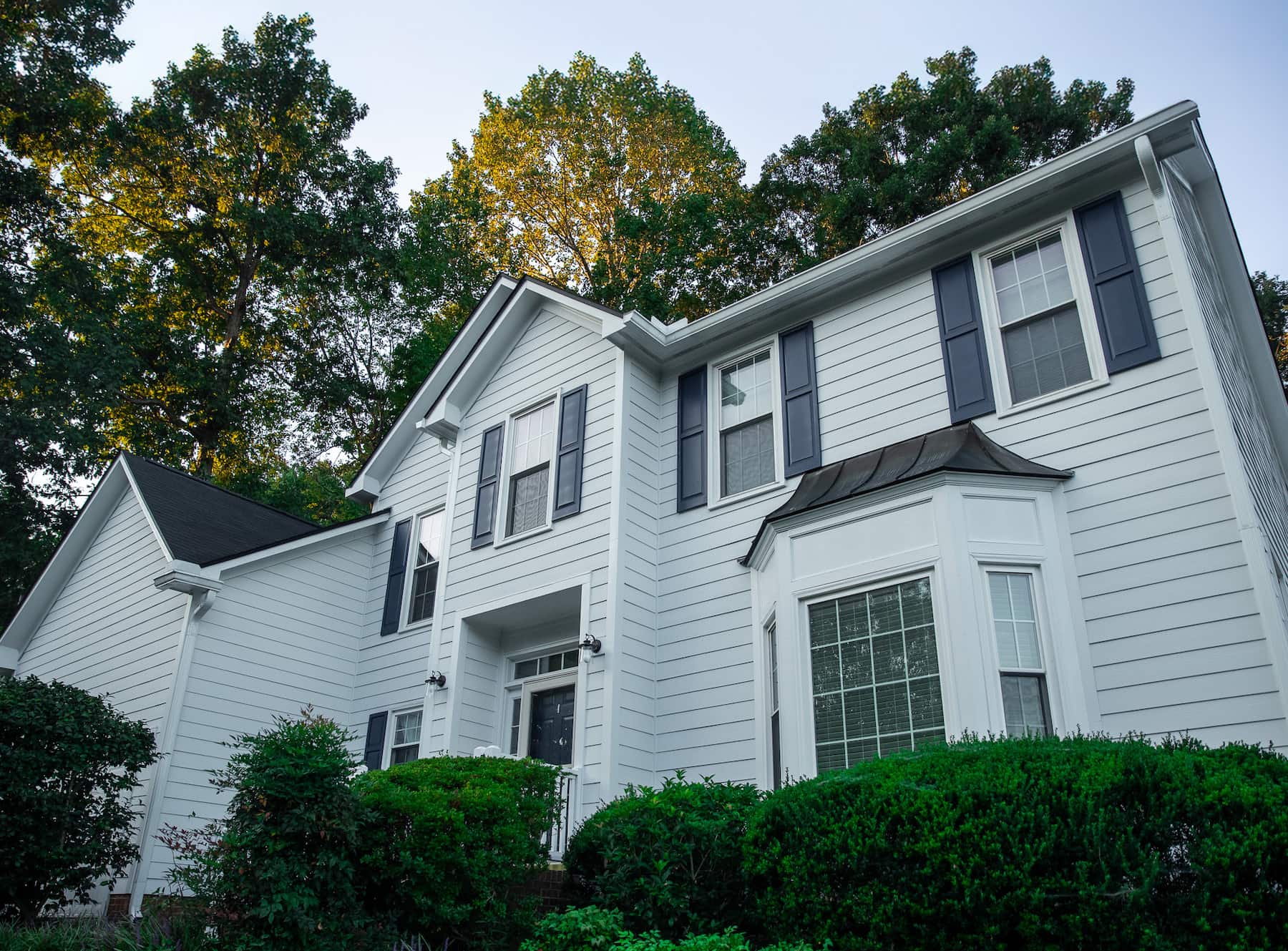
If you’re planning additional exterior improvements alongside a new deck, consider how materials work together. For example, pairing a low-maintenance deck with James Hardie® siding replacement can create a cohesive, durable exterior.
Composite decking is manufactured using a blend of recycled wood fibers and recycled plastics. Most premium products are protected with a durable polymer cap that shields the boards from moisture, UV rays, stains, scratches, and mildew.
Today’s composite decking looks dramatically different than early generations. Modern manufacturing techniques create realistic wood grain textures, multi-tonal colors, and hidden fastening systems that closely resemble natural hardwood.
Leading manufacturers include:
Many homeowners also appreciate the environmental benefits of composite decking. Several manufacturers use recycled materials that help divert plastic and wood waste from landfills while producing durable, long-lasting decking products.
According to Trex®, composite decking eliminates many of the maintenance requirements associated with traditional wood while providing long-lasting performance.
Benefits of Composite Decking
Composite decking offers numerous advantages, including:
Some products, such as MoistureShield® CoolDeck technology, are specifically designed to reduce surface temperatures during hot summer months, making them more comfortable for children and pets.
Learn more about MoistureShield® technologies.
Wood decking has been used for generations because of its timeless appearance and natural warmth.
Popular decking materials include:
Pressure-treated lumber remains the most common option because it offers the lowest upfront cost while providing improved resistance to insects and decay compared to untreated wood.
Many homeowners love the authentic character of natural wood, especially for traditional homes or historic properties. Wood is also easy to customize with stains and finishes that complement a home’s architectural style.
However, maintaining that appearance requires ongoing care.
Benefits of Wood Decking
Wood decking remains a strong option because it offers:
For homeowners willing to invest time in routine maintenance, wood can provide many years of enjoyable outdoor living.
One of the biggest distinctions between composite and wood decking is how much maintenance each requires throughout its lifespan.
Composite decking typically needs only routine cleaning with soap and water to remove pollen, dirt, and debris.
Wood decking requires much more attention, including:
If your current deck is structurally sound, a full replacement may not be necessary. Carolina Exteriors Plus has an excellent guide explaining Deck Restoration vs. Replacement, helping homeowners determine which solution provides the best long-term value.
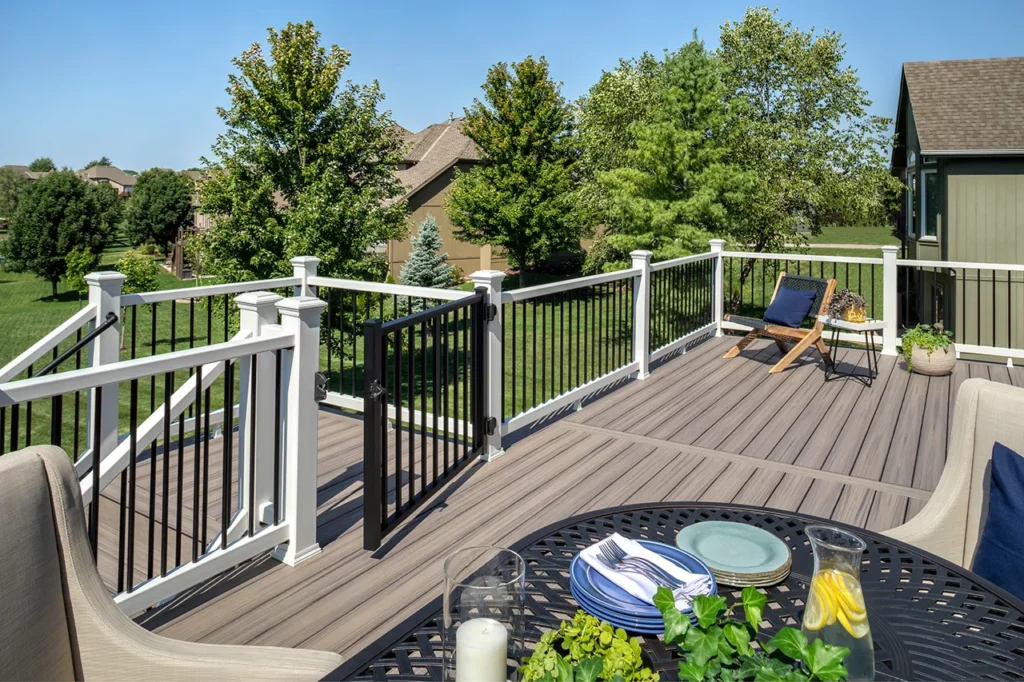
While the upfront cost of a deck is important, it’s only part of the equation. The true value of your investment comes from how your deck performs over the next 20 to 30 years.
Pressure-treated wood is often the most affordable option initially, making it attractive for homeowners working within a tighter budget. However, the ongoing costs of staining, sealing, replacing damaged boards, and repairing weather-related wear can add up over time.
Composite decking generally has a higher initial material cost, but many homeowners find that the savings in maintenance and repairs offset that investment. Instead of spending weekends sanding, staining, or replacing warped boards, composite owners typically need little more than occasional cleaning with soap and water.
If you’re considering multiple exterior improvements, it may also make sense to complete projects together. Many homeowners combine a new deck with roof replacement, replacement windows, or James Hardie® siding to improve curb appeal, reduce long-term maintenance, and simplify construction.
Explore Carolina Exteriors Plus services:
For homeowners thinking about overall home value, Carolina Exteriors Plus also offers helpful information about the return on investment for exterior remodeling.
Sustainability and Environmental Impact
Both composite and wood decking can be environmentally responsible choices when sourced or manufactured responsibly.
Many premium composite manufacturers use recycled plastics and reclaimed wood fibers, reducing landfill waste while creating durable building materials that last for decades. The longer lifespan of composite products also reduces the frequency of replacement, minimizing waste over time.
Wood remains a renewable resource when harvested from responsibly managed forests. Homeowners who prefer natural materials can choose sustainably sourced lumber certified through recognized forestry programs while committing to routine maintenance that extends the life of the deck.
Ultimately, sustainability depends on selecting quality materials, proper installation, and ongoing care—regardless of which decking option you choose.
A new deck rarely exists in isolation. It often becomes part of a larger investment in your home’s exterior.
If you’re replacing aging siding, installing new windows, or updating your roofing system, it’s worth considering how these projects complement one another.
For example:
If you’re still gathering ideas, Carolina Exteriors Plus offers a Deck Inspiration Center featuring completed projects, railing options, color combinations, and outdoor living ideas.
For many homeowners, yes.
Although composite decking typically costs more upfront, the reduced maintenance requirements and longer lifespan often make it the better long-term investment.
Like wood, concrete, and other outdoor materials, composite decking can become warm in direct sunlight.
Choosing lighter colors or products with heat-reducing technology, such as MoistureShield® CoolDeck®, can help improve comfort during North Carolina’s hottest months.
Premium composite decking generally outlasts pressure-treated wood because it resists moisture, insects, rot, and UV damage.
While wood can provide decades of service with diligent maintenance, composite typically requires fewer repairs throughout its lifespan.
Sometimes.
If the framing remains structurally sound, restoration may be a practical and cost-effective solution.
Before deciding, review Carolina Exteriors Plus’ guide on Deck Restoration vs. Replacement to better understand which option fits your situation.
Most deck projects require permits and must comply with local building codes.
The International Code Council (ICC) publishes widely adopted residential building standards that help ensure decks are designed and constructed safely.
A professional contractor can help manage the permitting process and ensure your project complies with local requirements.
Building a deck is about more than selecting materials—it’s about creating an outdoor space that fits your lifestyle for years to come.
At Carolina Exteriors Plus, our team works closely with homeowners throughout Raleigh, Cary, Apex, Durham, Chapel Hill, Wake Forest, Holly Springs, Garner, Fuquay-Varina, Morrisville, Knightdale, and surrounding communities to design outdoor living spaces that balance beauty, performance, and long-term value.
Our process focuses on education first. We’ll help you compare decking materials, explain the advantages of each option, discuss maintenance expectations, and recommend solutions that align with your goals—not simply what’s most expensive.
Whether you’re planning a custom composite deck, restoring an existing structure, or coordinating a larger exterior remodeling project, our experienced team is committed to quality craftsmanship and clear communication from consultation through completion.
If you’re ready to start planning your project, you can schedule a consultation with Carolina Exteriors Plus today.

Get a free, no obligation estimate.
Financing Available

Speak with one of our experience team members who can help you make the best decisions for your home. Give us a call at (984) 279-1776 or request a consultation below.
No obligation | Financing available

Carolina Exteriors is the Raleigh area’s most recommended and referred specialty replacement contracting company. Boasting an impressive 60% referral and repeat customer rate, we are the trusted professionals for James Hardie® HardiePlank siding, replacement windows, entry doors, roofing, and gutters.
© 2025 Carolina Exteriors. Sitemap Privacy Policy
Site by HipBip.co