Backyard Bliss: 10 Ways to Maximize Enjoyment After a Deck Upgrade
April 17, 2026
Your home’s siding does much more than improve curb appeal. It protects your house from moisture, wind, pests, and the elements year round. When siding is damaged by a storm or another unexpected event, one of the first questions homeowners ask is, does homeowners insurance cover siding?
Carolina Exteriors understands how stressful siding damage can be, especially after severe weather. While homeowners insurance often helps pay for siding repairs or replacement in certain situations, coverage depends on what caused the damage and the details of your policy. Knowing when insurance applies can help you make informed decisions, avoid unnecessary expenses, and navigate the claims process with confidence.
In this guide, we’ll explain when homeowners insurance typically covers siding damage, when it doesn’t, how the claims process works, and what you can do to improve your chances of receiving coverage.
In many cases, yes, homeowners insurance covers siding damage if the damage was caused by a sudden and accidental event that is listed as a covered peril in your policy.
Common covered events include:
However, homeowners insurance generally does not cover damage that develops gradually over time or results from a lack of maintenance.
The exact coverage depends on your insurance company, your individual policy, and the cause of the damage.
Insurance policies are designed to protect homeowners from unexpected losses rather than predictable deterioration. If your siding is damaged by a covered peril, your insurer will often pay for repairs or replacement after your deductible has been met.
Some of the most common covered causes include:
High winds can loosen panels, rip siding from your home, or send debris flying into your exterior. North Carolina storms frequently produce strong winds capable of causing significant siding damage.
If the wind directly caused the damage, insurance will often cover repairs.
Hail can leave dents, cracks, chips, or holes in many types of siding. Vinyl siding may crack, while fiber cement and engineered wood products can suffer impact damage from larger hailstones.
Because hail damage happens suddenly, it is commonly covered under homeowners insurance.
Storms can knock down tree limbs or entire trees onto your home. If a falling tree damages your siding, homeowners insurance generally covers both removing the tree from the house and repairing the damaged siding, subject to policy limits.
Whether caused by lightning, electrical issues, or another covered fire event, siding damaged by fire is typically covered under standard homeowners insurance policies.
If someone intentionally damages your siding, homeowners insurance often provides coverage for repairs.
Just because your siding is damaged doesn’t automatically mean insurance will pay for repairs.
The following situations are commonly excluded.
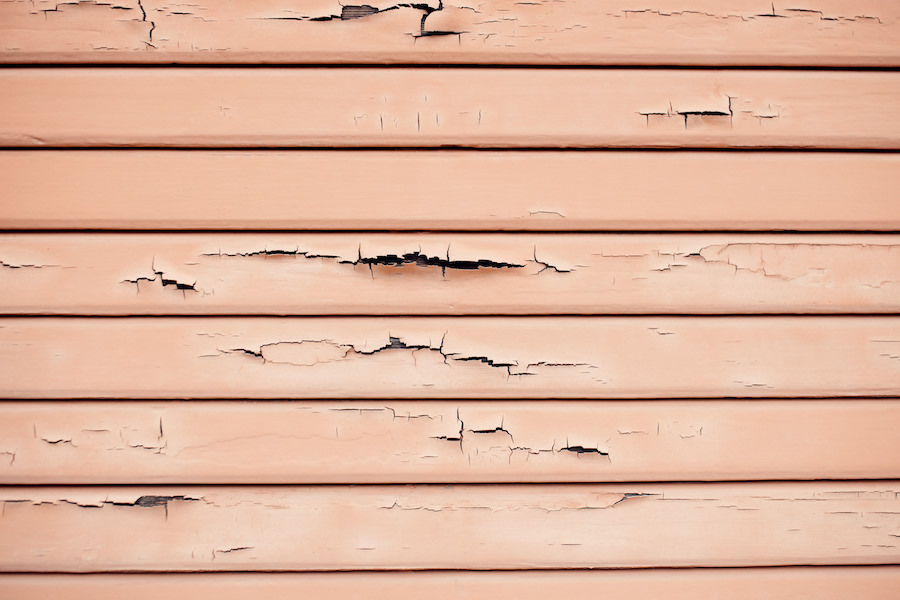
Siding naturally wears out over time due to years of exposure to sunlight, rain, temperature changes, and everyday weather.
Insurance is not intended to replace siding simply because it has reached the end of its lifespan.
Homeowners are expected to maintain their property.
Insurance companies may deny claims if they determine the damage resulted from:
Keeping your siding in good condition can help prevent these issues.
If siding fails because of defective materials or improper installation, homeowners insurance generally will not cover replacement.
Instead, the manufacturer warranty or contractor warranty may apply.
Some insurance companies distinguish between functional damage and cosmetic damage.
Minor discoloration, fading, or superficial dents that do not affect the siding’s ability to protect the home may not qualify for coverage.
This is one of the biggest questions homeowners face.
Suppose hail damages one side of your house, but the existing siding has been discontinued or has significantly faded over time. Replacing only the damaged section may leave your home with mismatched colors or styles.
Whether insurance covers matching siding depends on several factors, including:
Some policies only pay to replace the damaged portion.
Others may pay to replace additional siding if an acceptable match cannot reasonably be found.
If matching is a concern, ask your contractor to document why replacement materials cannot be matched before your insurance adjuster completes the claim.
Not every homeowners insurance policy pays claims the same way.
Understanding your policy can help you know what to expect.
An Actual Cash Value policy considers depreciation.
That means the insurance company subtracts value based on your siding’s age and condition before paying your claim.
For example, if older siding originally cost $15,000 but has depreciated significantly, the insurance payout may be much lower.
You’ll likely pay the remaining balance yourself.
Replacement Cost Value coverage generally pays what it costs to replace damaged siding with comparable new materials, minus your deductible.
Although RCV policies often have higher premiums, they usually provide better financial protection after storm damage.
Filing a claim doesn’t have to be overwhelming. Taking the right steps can improve your chances of a smoother approval process.
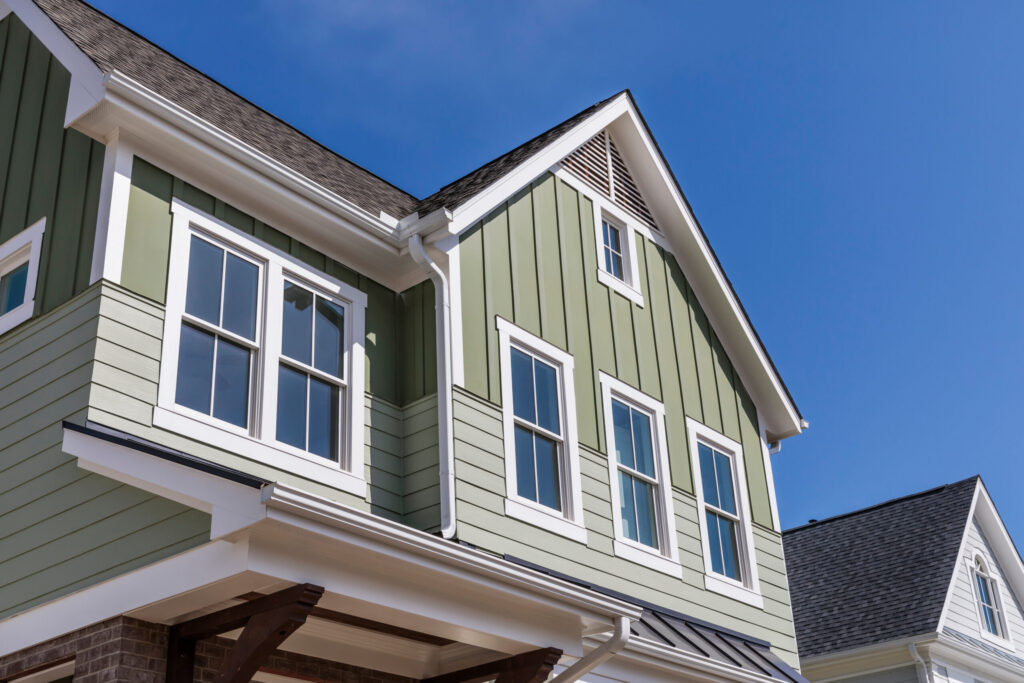
After a storm, inspect your home’s exterior from the ground if possible.
Look for:
Avoid climbing ladders or attempting repairs before documenting the damage.
Photograph all visible damage from multiple angles.
Include close-up and wide shots that show where the damage occurred.
Documentation is extremely valuable during the claims process.
Notify your insurance provider as soon as practical after discovering the damage.
Many companies have deadlines for reporting storm-related losses.
A qualified siding contractor can identify damage that homeowners might overlook.
Professional documentation can also help explain the extent of the damage before the insurance adjuster visits.
Your insurance company will usually send an adjuster to inspect your home.
The adjuster determines:
Once the claim is approved, you can move forward with repairs or replacement according to your policy.
While no one can guarantee claim approval, these best practices may improve the process.
Good documentation often makes the difference between a straightforward claim and a lengthy dispute.
Many homeowners worry about filing an insurance claim.
The answer depends on several factors, including:
Because every insurer handles premium adjustments differently, it’s worth discussing potential impacts with your insurance agent before filing if you’re unsure.
Not every damaged home needs a complete siding replacement.
Repairs may be appropriate when:
Replacement may be the better long-term investment when:
A professional inspection can help determine the most practical and cost effective solution.
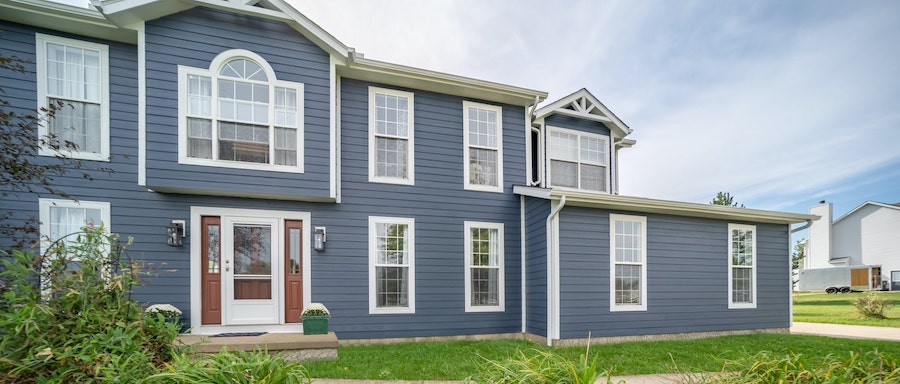
Although storms cannot be prevented, homeowners can reduce their risk of future damage.
Some smart maintenance habits include:
Routine maintenance can extend your siding’s lifespan and reduce the likelihood of preventable damage.
While quality siding plays a critical role in protecting your home, it’s only one part of a complete exterior system. Keeping your windows, doors, roofing, gutters, deck restoration, and skylights in excellent condition helps improve your home’s weather resistance, energy efficiency, and overall value.
When homeowners ask, “Does homeowners insurance cover siding?”, the answer is often yes, but only when the damage results from a covered event and meets the terms of the policy. Understanding what is covered, documenting damage quickly, and working with experienced professionals can make the claims process much less stressful.
At Carolina Exteriors, we help homeowners evaluate siding damage, provide detailed inspections, and recommend the most effective repair or replacement solution for their home. Whether your siding has been damaged by wind, hail, or another covered event, our experienced team is ready to help you restore your home’s beauty and protection.
Contact Carolina Exteriors online or call 919-886-7587 today to schedule a professional siding inspection and learn how we can help restore your home’s exterior after storm damage.
Yes, homeowners insurance often covers siding replacement if the damage was caused by a covered peril such as hail, wind, fire, or falling trees. Coverage depends on your policy and deductible.
No. Insurance generally does not cover siding that has deteriorated due to age, normal wear and tear, improper maintenance, or gradual damage.
It depends on your policy and whether matching siding is available. Some insurers only replace the damaged section, while others may provide additional coverage if matching materials cannot be reasonably obtained.
Many homeowners benefit from having a qualified siding contractor inspect the damage first. A professional inspection can help document the extent of the damage before filing an insurance claim.
Every insurance company has different claim deadlines. It’s best to report storm damage as soon as possible after discovering it to avoid delays or potential claim issues.
Get a free, no obligation estimate.
Financing Available

Speak with one of our experience team members who can help you make the best decisions for your home. Give us a call at (919) 886-7587 or request a consultation below.
No obligation | Financing available

Carolina Exteriors is the Raleigh area’s most recommended and referred specialty replacement contracting company. Boasting an impressive 60% referral and repeat customer rate, we are the trusted professionals for James Hardie® HardiePlank siding, replacement windows, entry doors, roofing, and gutters.
© 2025 Carolina Exteriors. Sitemap Privacy Policy
Site by HipBip.co