Why Choosing the Right Contractor Matters—Even If It Costs a Little More
April 17, 2026
If your home’s exterior is showing signs of wear, you may be wondering what happens if you delay siding repair. It’s a common question—and one that can have serious consequences if ignored. Many homeowners put off siding repairs, assuming small cracks or minor damage aren’t urgent. However, siding is your home’s first line of defense against the elements, and even small issues can quickly turn into costly problems.
At Carolina Exteriors, we’ve spent years working with homeowners across the Triangle to diagnose, repair, and replace siding systems across a wide range of conditions. That experience has shown us just how quickly minor issues can escalate when left unaddressed.
In this guide, we’ll draw on our professional expertise to walk you through the real risks of delaying siding repair—and help you make informed, confident decisions about protecting your home.
If you’re unsure whether your siding needs attention, speaking with an expert early can help you avoid more expensive repairs down the line—call us at 919-886-7587 or contact us online to schedule an inspection today.
Siding does more than define your home’s appearance—it serves as a critical protective barrier against the elements. When properly installed and maintained, siding helps preserve the structural integrity of your home and contributes to long-term performance.
Quality siding plays a key role in:
Because siding is constantly exposed to weather and environmental conditions, even minor damage can weaken its ability to protect your home. That’s why timely maintenance and repair are so important.
Even when damage is visible, many homeowners hesitate to move forward with repairs. Understanding these common reasons helps explain what happens if you delay siding repair, and why it’s so often postponed.
Homeowners may delay siding repair because:
While these concerns are understandable, siding issues rarely stay small. What looks like a minor problem on the surface can allow hidden damage to develop behind the walls—often leading to more expensive repairs later on.
Addressing siding concerns early helps prevent escalation and gives you more control over cost, timing, and long-term outcomes.
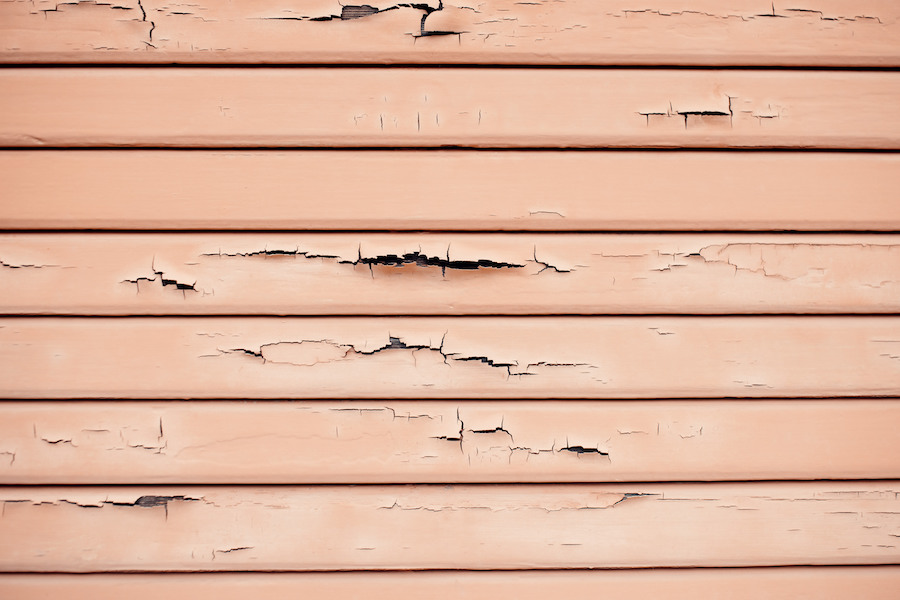
Siding damage rarely stays minor for long. What starts as a small crack, loose panel, or fading can quickly turn into a bigger issue beneath the surface.
As siding begins to wear down, it loses its ability to fully protect your home. Gaps and weak spots allow moisture, air, and pests to get inside—often without obvious signs at first.
When siding repairs are delayed, it can lead to:
What could have been a simple repair can quickly become a more expensive and complex problem. One of the first and most common issues homeowners encounter is water intrusion.
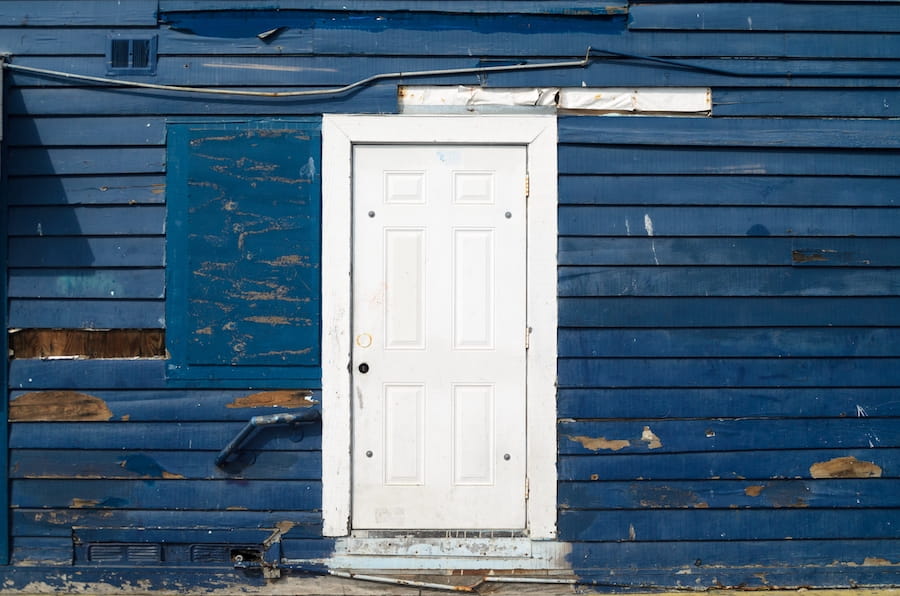
Water intrusion is often the starting point for more serious siding-related problems. Siding is designed to keep water out, but once it’s damaged, that protection is compromised.
Water can enter through:
Once moisture gets behind the siding, it can cause:
Because this damage happens behind the surface, it often goes unnoticed until it becomes severe. As moisture lingers, it can create another common issue—mold and mildew growth.
Even small amounts of moisture behind walls can create conditions for mold growth. According to the CDC, mold can begin developing within 24 to 48 hours of water exposure, making early intervention critical.
Mold and mildew can lead to:
Mold is often a direct result of untreated moisture issues, which is why addressing siding damage early is so important. If left unchecked, the problem can extend beyond surface damage and begin to affect your home’s structure.
Over time, ongoing moisture exposure can weaken the structural components of your home.
This may include:
What begins as a small exterior issue can eventually require major repairs if ignored. In addition to structural concerns, damaged siding can also impact how efficiently your home operates.
When siding is compromised, it no longer provides an effective barrier against outside temperatures. The U.S. Department of Energy emphasizes that gaps and openings in a home’s exterior—like those caused by damaged siding—can lead to significant air leakage, increasing energy costs and reducing efficiency.
As a result, homeowners may notice:
Maintaining your siding helps preserve energy efficiency and indoor comfort. Beyond energy loss, damaged siding can also open the door to another issue—pest intrusion.
Even small openings in siding can create entry points for pests. Insects, rodents, and birds can take advantage of these gaps to get inside your home.
Once inside, they can:
Keeping your siding intact is one of the most effective ways to prevent infestations and protect your home from further damage.
One of the most important factors to consider is cost. While it may seem like delaying repairs saves money in the short term, it often leads to significantly higher expenses.
When siding repair is postponed, homeowners may face:
In many cases, what could have been a simple repair turns into a full replacement project. If you’re weighing your options, reviewing common siding questions can help clarify when repair vs. replacement makes sense.
Recognizing early warning signs is key to avoiding the risks of delaying siding repair.
Watch for:
If you notice any of these issues, it’s important to address them quickly before they worsen.
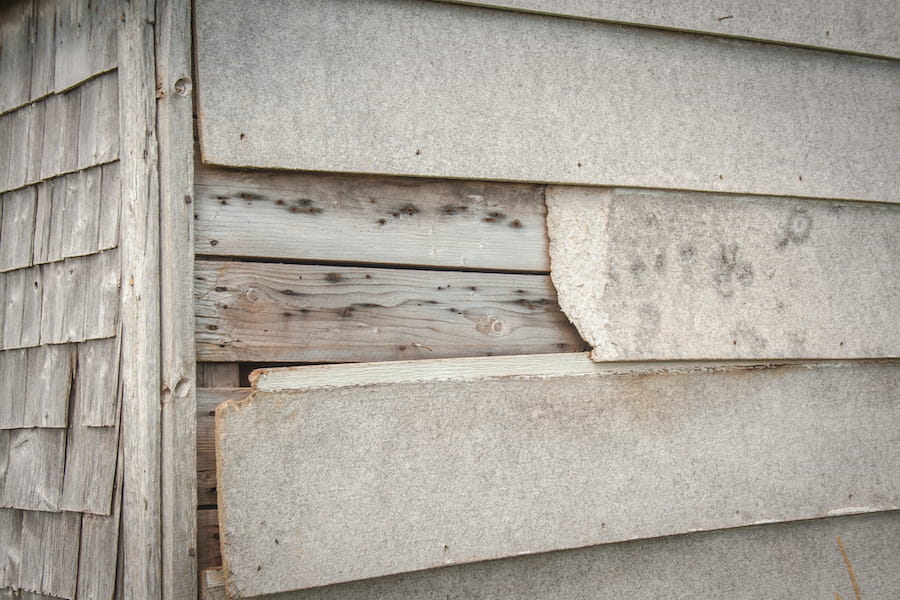
Not all siding damage requires full replacement. In many cases, early repairs can extend the life of your siding and prevent more serious issues.
Siding repair is appropriate when:
Replacement may be necessary when:
For homeowners considering long-term durability, materials like James Hardie fiber cement siding offer enhanced resistance to moisture, pests, and environmental wear.
While some wear is inevitable, proactive maintenance can help prevent major issues.
To protect your siding:
Taking a proactive approach can significantly extend the lifespan of your siding.
Siding repair is rarely as simple as it looks. What appears to be surface-level damage often involves underlying issues that require the right expertise to properly diagnose and fix.
At Carolina Exteriors, we approach siding repair with a comprehensive understanding of how exterior systems perform over time. Our team is trained to look beyond visible damage and identify the root cause—ensuring the problem is resolved correctly, not just temporarily covered.
A professional approach to siding repair ensures:
Without the right experience, it’s easy to overlook critical issues that can lead to recurring damage. DIY repairs or quick fixes often fail to address what’s happening beneath the surface, which can result in more extensive—and expensive—problems later on.
If you’re unsure about the condition of your siding, working with a trusted contractor like Carolina Exteriors gives you confidence that the issue will be handled the right way from the start.
Delaying siding repair may seem manageable in the short term, but as you’ve seen, even minor issues can quickly lead to more serious and costly damage. Taking action early allows you to address problems before they spread—saving time, money, and unnecessary stress.
At Carolina Exteriors, we take a thorough, professional approach to every siding project. With years of hands-on experience and a commitment to quality workmanship, we’re a contractor homeowners trust to get the job done right.
If you’ve noticed signs of siding damage—or simply want peace of mind about your home’s condition—now is the time to act.
Call 919-886-7587 today or contact us online to schedule your siding inspection and get expert guidance on the best way to protect your home.
Q: What happens if you delay siding repair?
Delaying siding repair can lead to water intrusion, mold growth, structural damage, higher energy bills, and pest infestations. Small issues can quickly become expensive problems if not addressed early.
Q: Can damaged siding cause mold?
Yes. Damaged siding allows moisture to enter your home, creating the ideal conditions for mold and mildew growth behind walls.
Q: Is it cheaper to repair siding early?
In most cases, yes. Early repairs are significantly more affordable than addressing widespread damage or structural issues later.
Q: How long can you wait to repair siding?
It’s best not to wait. Even minor damage can worsen quickly, especially when exposed to weather conditions.
Q: When should siding be replaced instead of repaired?
Replacement is recommended when damage is extensive, recurring, or has affected the structural components of your home.

Get a free, no obligation estimate.
Financing Available

Speak with one of our experience team members who can help you make the best decisions for your home. Give us a call at (919) 886-7587 or request a consultation below.
No obligation | Financing available

Carolina Exteriors is the Raleigh area’s most recommended and referred specialty replacement contracting company. Boasting an impressive 60% referral and repeat customer rate, we are the trusted professionals for James Hardie® HardiePlank siding, replacement windows, entry doors, roofing, and gutters.
© 2025 Carolina Exteriors. Sitemap Privacy Policy
Site by HipBip.co