What to Look for in James Hardie Siding Contractors?
February 12, 2026
Your home’s siding does much more than improve curb appeal. It protects your home from rain, wind, moisture, pests, and changing temperatures while helping improve energy efficiency and overall property value. Because siding works around the clock, it naturally begins to wear down over time.
Knowing when to replace siding can save you from expensive structural repairs and help your home continue performing its best. While some problems can be addressed with minor repairs, widespread damage or aging materials often mean replacement is the smarter long term investment.
At Carolina Exteriors, we’ve helped homeowners protect and improve their homes with high quality exterior remodeling solutions. If you’re unsure whether your siding still has life left in it, these ten warning signs can help you determine whether it’s time for an upgrade.
Siding serves as your home’s first line of defense against the elements. When it’s in good condition, it keeps water out, helps insulate your home, and protects the structure underneath.
As siding ages or becomes damaged, those protections begin to disappear. Moisture can penetrate behind the panels, insulation becomes less effective, and small issues can quickly become much larger problems.
Replacing siding before severe damage develops can:
If several of the warning signs below sound familiar, your siding may be approaching the end of its lifespan.
Visible damage is often the easiest sign to recognize.
Small cracks from impact damage may not require a complete replacement, but widespread cracking, broken boards, or missing sections leave your home vulnerable to water infiltration and pests.
Walk around your home and look for:
Once multiple sections become damaged, replacing the siding is often more cost effective than performing repeated repairs.
Moisture is one of the biggest threats to any home’s exterior.
If you regularly notice mold, mildew, or algae growing on your siding, it may simply need cleaning. However, when moisture continues to return or mold appears beneath the siding, it may indicate water is getting behind the exterior surface.
Common warning signs include:
Persistent moisture problems can eventually lead to rot and structural damage if left untreated.
Rot is one of the clearest indicators that replacement is necessary.
Wood siding is especially susceptible to rot after years of exposure to moisture. Once rot develops, repairs are often temporary because the damage continues spreading through affected boards.
You may notice:
Rot not only weakens the siding itself but can also affect the framing underneath if moisture continues penetrating the home.
Sometimes the warning signs aren’t visible.
If your heating and cooling costs have steadily increased despite maintaining your HVAC system, aging siding could be contributing to poor insulation.
Older siding may develop gaps, cracks, or deterioration that allow outside air to enter while conditioned air escapes.
New siding systems often provide improved insulation and tighter protection against air infiltration, helping your home stay more comfortable throughout the year.
If your energy bills seem unusually high without another clear explanation, your siding deserves a closer inspection.
Siding should sit flat against your home.
If panels begin bowing outward, buckling, or warping, it often indicates trapped moisture or underlying structural movement.
Warped siding can no longer provide proper protection because gaps develop between the material and your home’s exterior.
Look closely for:
These issues rarely improve on their own and typically worsen over time.
Interior problems sometimes point directly to exterior siding failure.
When moisture enters through damaged siding, it may begin affecting your home’s interior walls.
Watch for:
While plumbing leaks can also cause these issues, deteriorating siding should always be considered during the inspection process.
Ignoring the source allows moisture to continue damaging both the exterior and interior of your home.
An occasional repair is perfectly normal.
However, if you’re calling for siding repairs every year or after every major storm, replacement often becomes the more economical solution.
Instead of continually replacing individual panels, upgrading the entire siding system can provide:
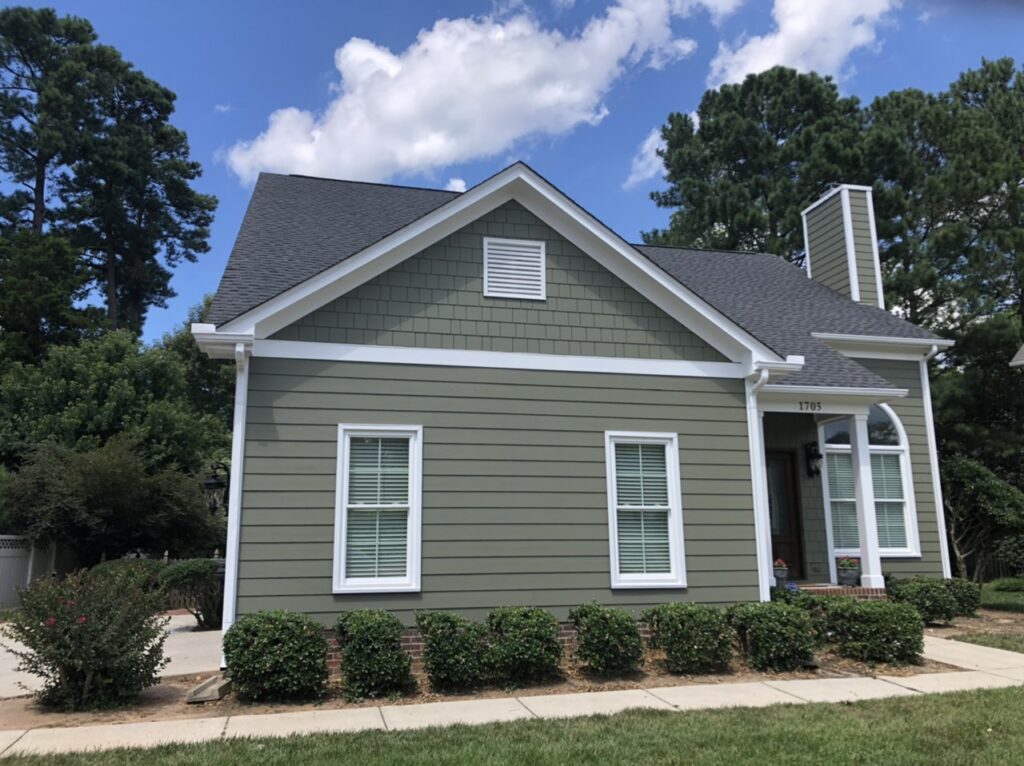
At some point, investing in new siding costs less than constantly fixing an aging exterior.
Some fading naturally occurs as siding ages.
Years of sunlight, weather exposure, and changing temperatures gradually break down the material’s finish. While fading alone doesn’t always require replacement, significant discoloration often indicates the siding has reached the end of its useful life.
Extremely faded siding may also become more brittle and less resistant to weather.
If your home looks noticeably worn despite regular cleaning, replacement can dramatically improve both appearance and protection.
Damaged siding creates easy entry points for insects.
Termites, carpenter ants, and other pests often exploit cracks, gaps, and rotting wood.
Signs may include:
Once pests begin entering through compromised siding, addressing both the infestation and the damaged exterior becomes important.
Replacing deteriorated siding helps eliminate many of these vulnerable entry points.
Even well maintained siding eventually wears out.
Different siding materials have different expected service lives, depending on the product, installation quality, maintenance, and local weather conditions.
If your siding is decades old and several of the warning signs above are appearing, replacement is often the best investment rather than continuing repairs.
A professional inspection can help determine whether your siding still has years of reliable performance remaining or whether replacement makes better financial sense.
Many homeowners wonder whether a repair will solve the problem or if complete replacement is necessary.
In general, repairs may be appropriate when:
Replacement is often the better choice when:
A professional inspection can help determine which option makes the most financial sense.
Installing new siding provides much more than a cosmetic improvement.
Homeowners often notice immediate benefits that continue for years.
Modern siding systems help reduce unwanted air leakage while improving insulation, allowing heating and cooling systems to work more efficiently.
New siding creates a stronger barrier against rain, wind, moisture, and changing temperatures.
Fresh siding is one of the first things buyers notice. An updated exterior often improves resale value and buyer confidence.
Newer siding materials typically require less maintenance than aging products that need frequent painting or repairs.
Replacing faded or damaged siding gives your entire home a cleaner, more modern appearance.
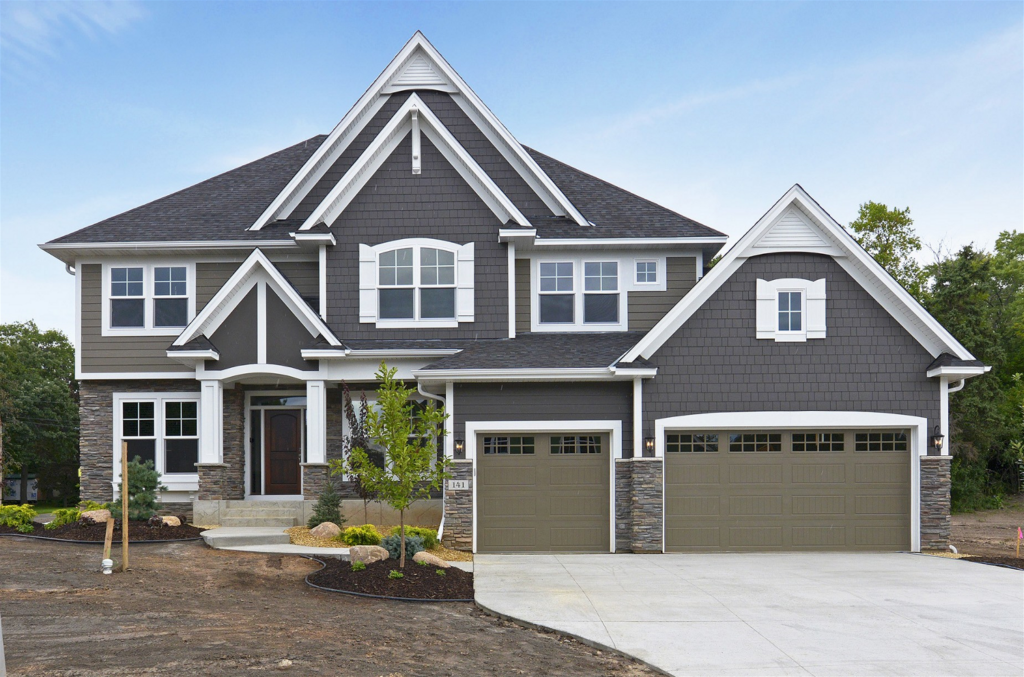
Even the highest quality siding won’t perform properly if it’s installed incorrectly.
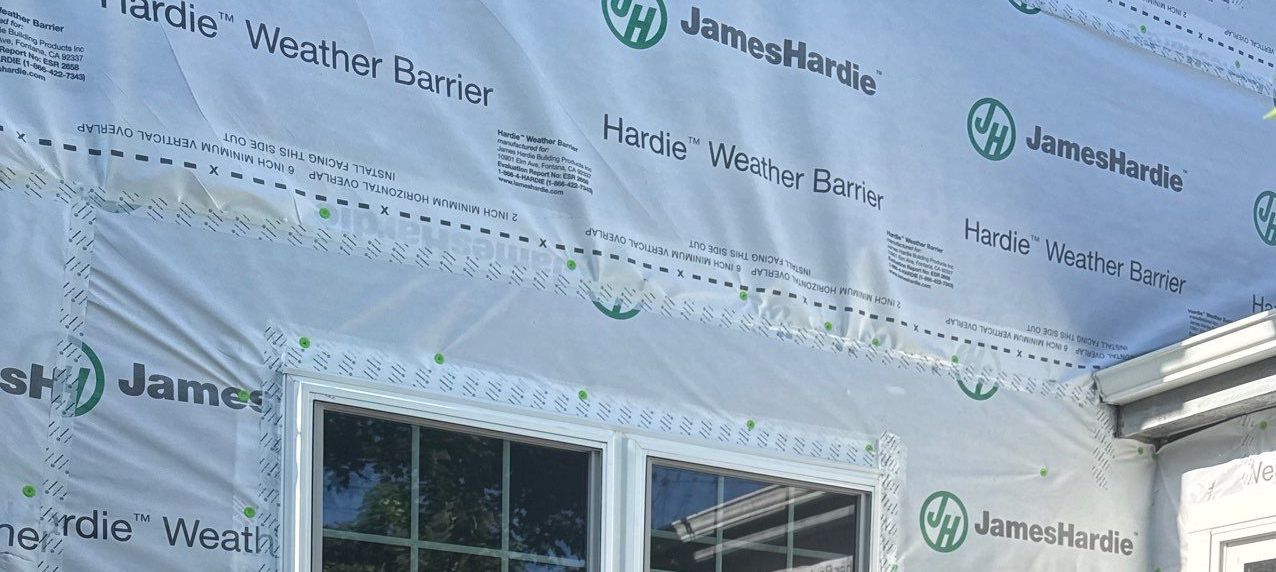
Professional installation helps ensure proper moisture management, flashing, fastening, ventilation, and long term durability. It also provides an opportunity to inspect the sheathing underneath and identify hidden damage before it becomes a larger issue.
Choosing experienced installers helps maximize the lifespan and performance of your investment.
As you improve your home’s exterior, it’s also worth evaluating other components that contribute to protection and curb appeal. Carolina Exteriors also provides expert services for windows, doors, roofing, gutters, deck restoration, and skylights, making it easier to complete multiple exterior upgrades with one trusted team.
Understanding when to replace siding can help you avoid costly repairs while keeping your home protected, energy efficient, and looking its best. Whether you’re noticing moisture damage, warped panels, rising energy bills, or widespread deterioration, acting early often prevents much larger issues down the road.
At Carolina Exteriors, we’re committed to helping homeowners make informed decisions about their exterior remodeling projects. If you’ve noticed any of these warning signs, our team can inspect your siding, explain your options, and recommend the best solution for your home. Contact Carolina Exteriors online or call 919-886-7587 today to schedule your consultation and take the next step toward a stronger, more beautiful exterior.
If damage is widespread, moisture has gotten behind the siding, repairs are becoming frequent, or the siding is nearing the end of its lifespan, replacement is often the better long term solution.
Yes. Cracks, gaps, and deteriorating siding can allow conditioned air to escape and outdoor air to enter, making your heating and cooling system work harder.
Not necessarily. Surface mold can often be cleaned, but recurring mold, mildew, or moisture behind the siding may indicate more serious issues that require replacement.
Yes. New siding can improve curb appeal, energy efficiency, and buyer confidence, all of which can contribute to increased home value.
If damage is isolated, repairs may be sufficient. However, when deterioration is widespread or the siding is aging, replacing the entire exterior often provides better protection, appearance, and long term value.

Get a free, no obligation estimate.
Financing Available
Speak with one of our experience team members who can help you make the best decisions for your home. Give us a call at (919) 886-7587 or request a consultation below.
No obligation | Financing available

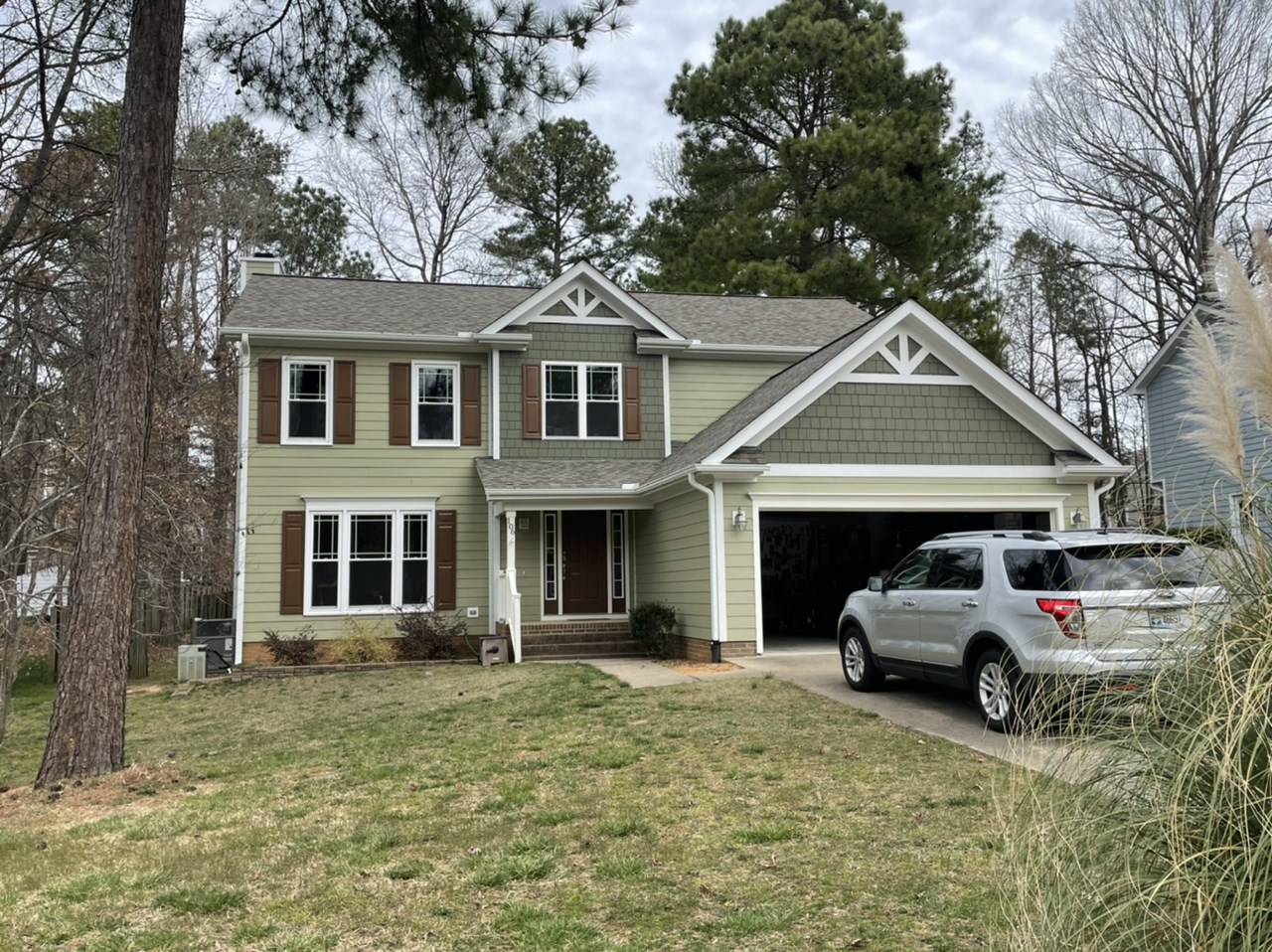
Carolina Exteriors is the Raleigh area’s most recommended and referred specialty replacement contracting company. Boasting an impressive 60% referral and repeat customer rate, we are the trusted professionals for James Hardie® HardiePlank siding, replacement windows, entry doors, roofing, and gutters.
© 2025 Carolina Exteriors. Sitemap Privacy Policy
Site by HipBip.co