How Long Does Home Siding Repair and Painting Take?
March 19, 2026
Your home’s exterior is the first story your house tells, and textured siding is one of the fastest ways to transform that story into something bold and memorable. With the right mix of textured siding, shakes, and 3-D patterns, you can turn a plain façade into a modern, eye-catching design — without a full remodel.
This guide will walk you through the best ways to use texture, pattern, and material to elevate your home’s curb appeal and create a cohesive, high-end look. Whether you’re refreshing an older home or creating a brand-new style, Carolina Exteriors Plus can help you design an exterior that stands out and lasts for years to come.
Call (919)-886-7587 today or request a free consultation online to explore textured siding options and find the perfect style for your home.
Textured siding is more than a visual upgrade — it’s a design strategy that adds depth, character, and dimension to any home. With the right combination of materials, textures, and patterns, you can create a custom look that stands out in your neighborhood.
Here’s what textured siding can do for your home:
The secret is using texture strategically — not everywhere, but in the right places.
A full siding replacement is often the best opportunity to add texture, especially if your current siding is worn or outdated. Homeowners often choose to update to textured materials like vinyl siding for its affordability and low maintenance, or fiber cement siding for its premium appearance and long-lasting performance.
Traditional horizontal siding is a timeless choice, but when you add texture, it becomes much more dynamic. Textured horizontal siding can include subtle woodgrain, bold patterns, or raised profiles that catch light and add visual interest.
This option is ideal for homeowners who want a refined look without sacrificing durability.
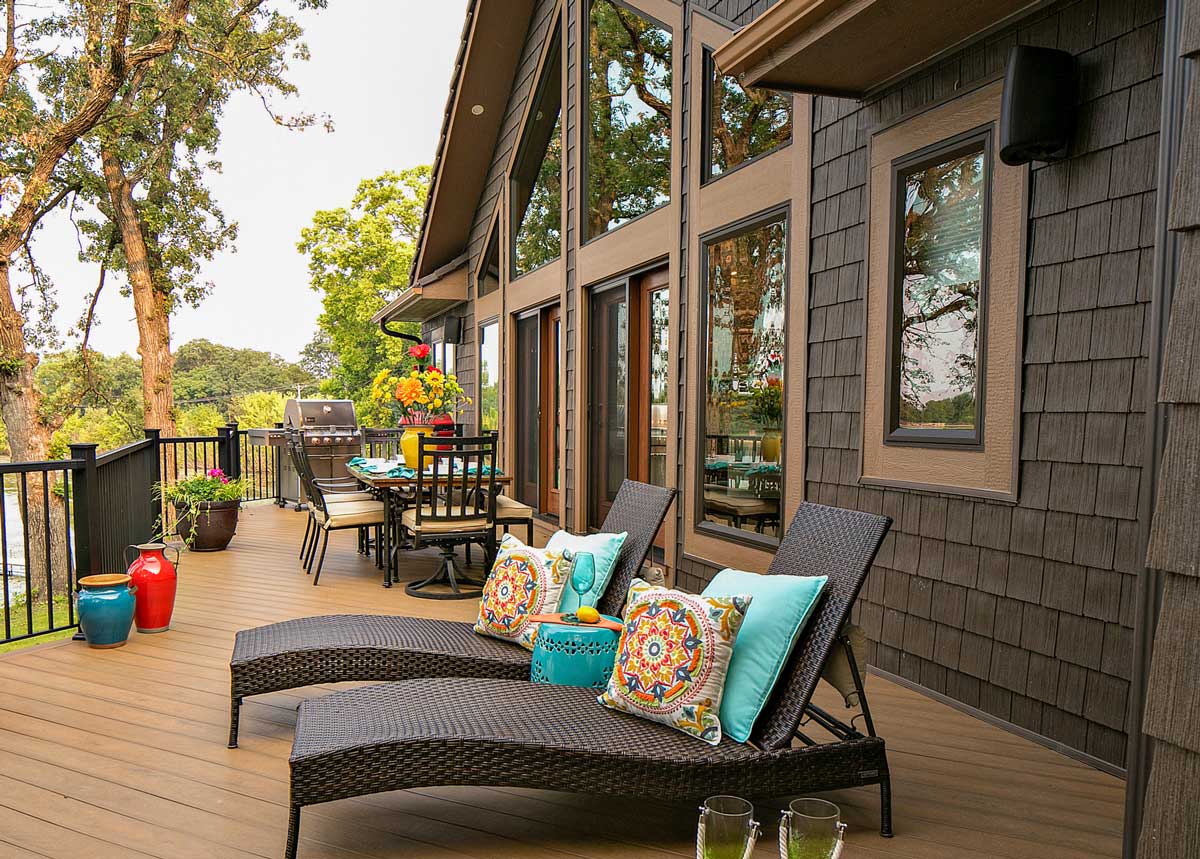
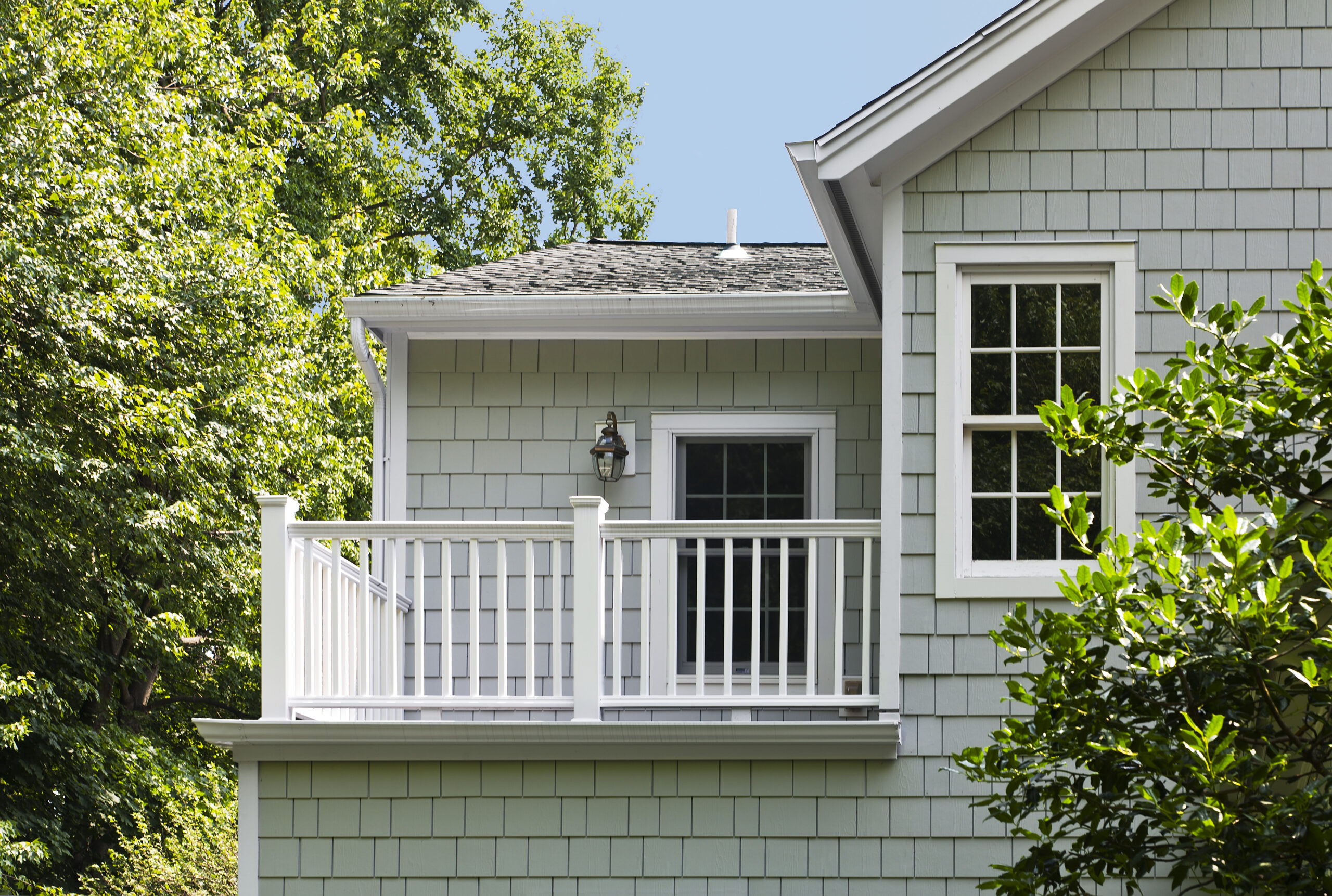
Shakes and shingles offer a handcrafted look that adds warmth and charm to any exterior. They work especially well on:
Using shakes as accents creates a custom look without overwhelming the design.
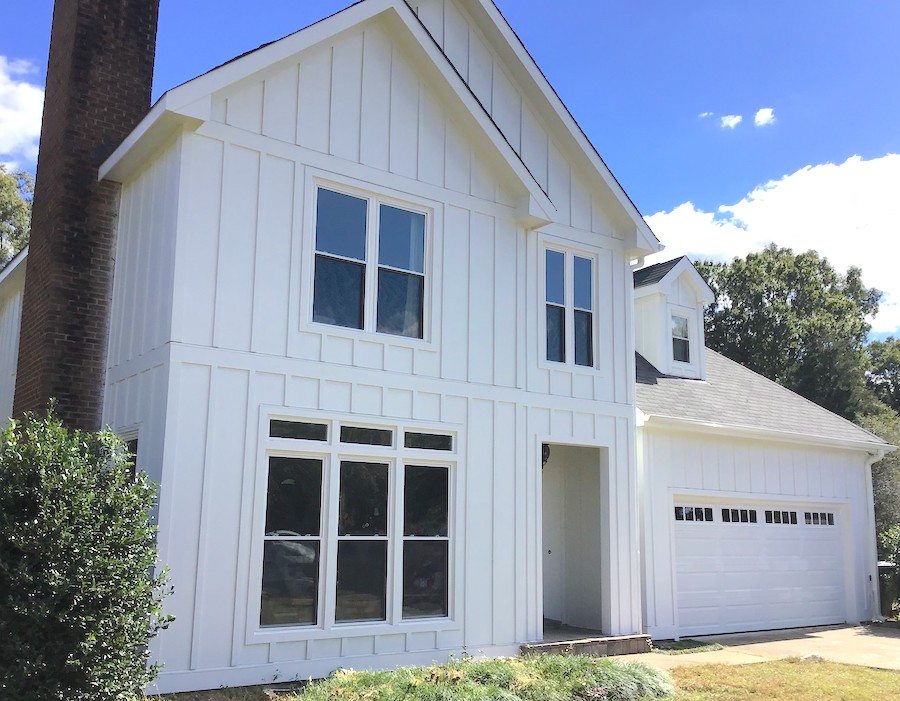
3-D siding patterns bring depth through shadow lines and unique surface shapes. This style is perfect for modern homes or homeowners who want a bold, standout design.
Common 3-D options include:
These patterns are best used as accent sections to avoid visual overload.
If your siding has suffered damage or weathering, addressing issues early through siding repair can help prevent more extensive problems later, especially when you’re planning to add texture or new materials.
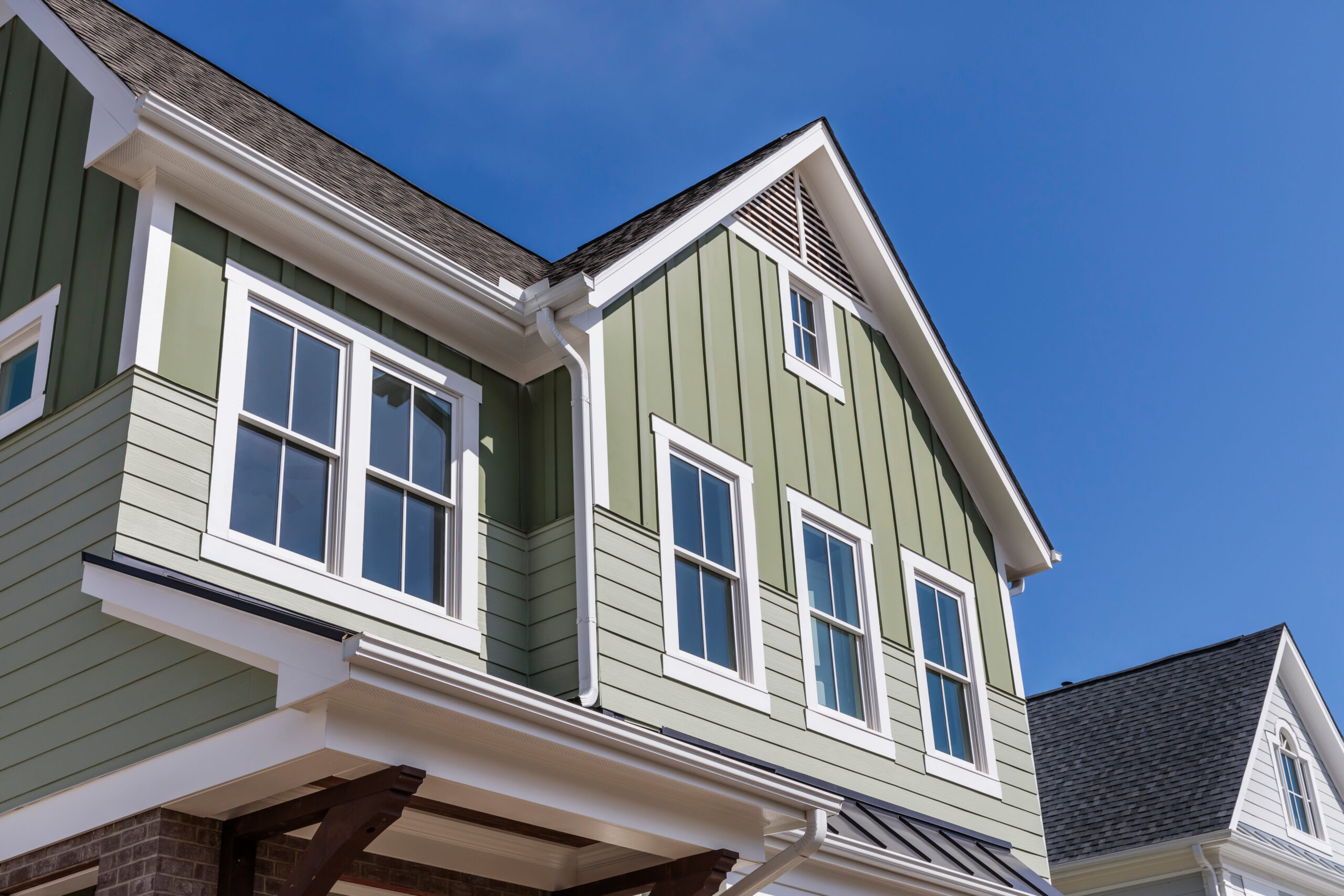
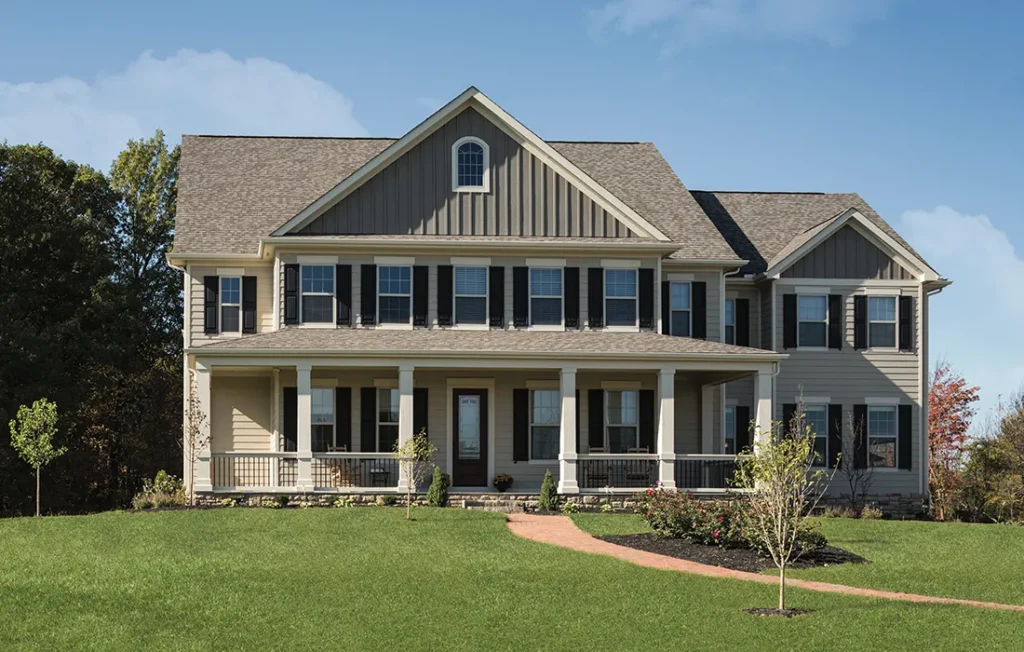
One of the easiest ways to elevate a home exterior is to use texture to draw attention to key architectural elements like gables, entryways, and dormers. A well-placed accent can turn a standard home into a showpiece.
A simple rule for success:
One dominant texture + one accent texture = a balanced, high-end exterior.
For example:
This combination looks custom without feeling chaotic.
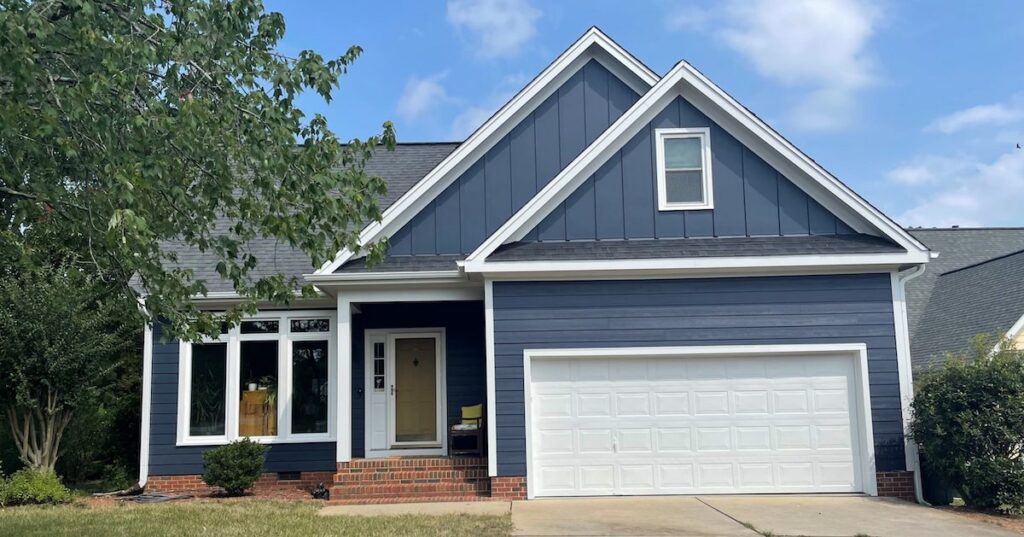
When using multiple textures, the color palette should stay neutral. Too many colors can compete with texture and make the exterior feel busy. Stick with natural tones like gray, beige, white, and earthy hues.
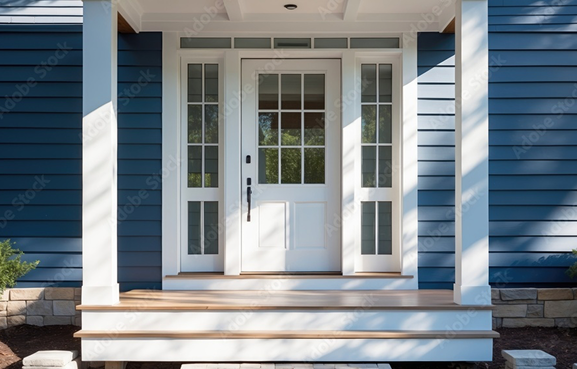
If you want a pop of color, limit it to the front door or trim.
Different siding materials offer different advantages:
When adding texture, the material choice matters. For example, fiber cement holds crisp texture better than some lower-grade materials, making it a popular option for high-end looks.
If your goal is a complete exterior upgrade, a full siding replacement can help you choose the right material and texture combination for your home’s style.
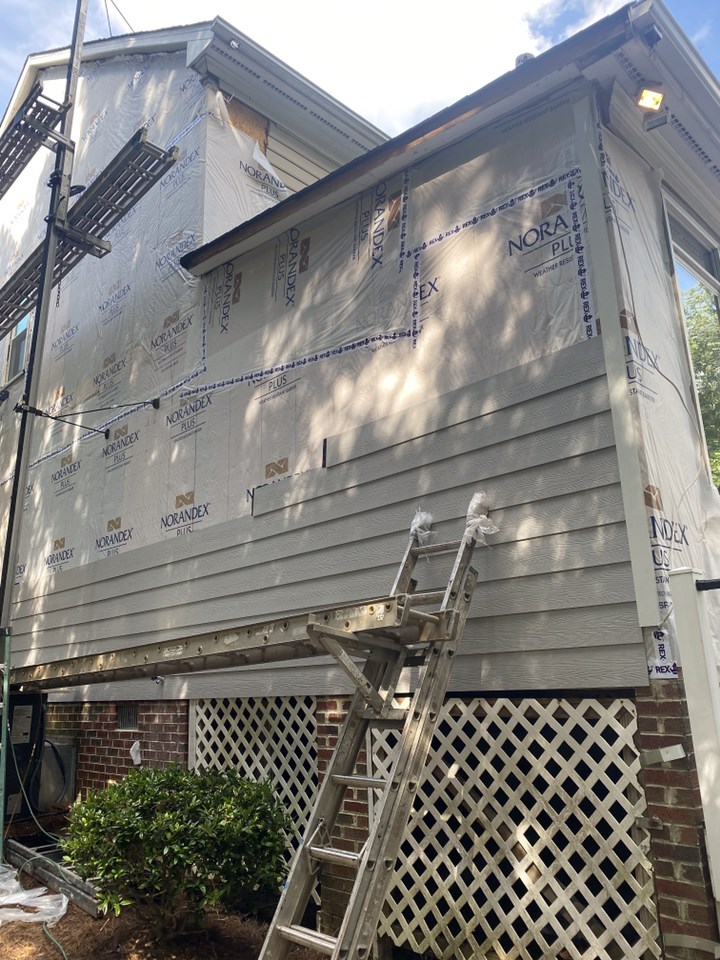
Proper installation is the difference between a good siding job and a great one. Professional installers ensure:
This is especially important when working with textured materials, which can look uneven if not installed correctly.
Accent areas are ideal for textured siding because they naturally draw attention. Textured materials can elevate these sections and make the entire home feel custom-built.
Full-wall textured siding creates a dramatic, modern look. This works best on homes with strong architectural lines and minimal clutter.
Combining textures creates a high-end look that feels custom. The key is choosing textures that complement each other and maintaining a cohesive design.
Too many textures can make a home look cluttered. Stick to one dominant texture and one accent texture.
Bright colors can compete with texture and make the exterior feel chaotic. Keep colors neutral and let the texture shine.
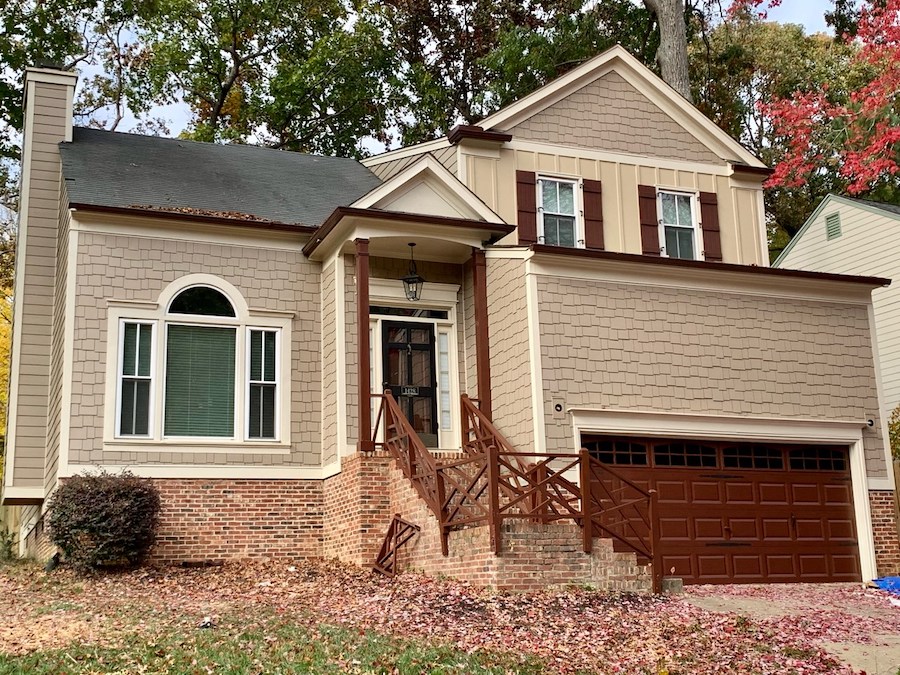
Textured siding should match the home’s architecture. A modern 3-D pattern may look out of place on a traditional cottage-style home.
If you’re unsure which style fits your home, CEP’s common questions page offers helpful guidance and answers to the most frequent siding design concerns.
Choose materials that hold up in your climate. Fiber cement and vinyl are popular because they are durable and low-maintenance.
Texture should complement roofing, trim, and windows to create a cohesive exterior.
Carolina Exteriors Plus has years of experience helping homeowners achieve high-end, textured siding designs. Our team understands how different materials perform, how to balance texture with architectural style, and how to deliver clean, precise installation.
We specialize in:
From design to installation, we handle every step with professionalism and attention to detail, ensuring your exterior looks great and lasts.
If you want a high-end, custom look without a full remodel, textured siding is the secret. Carolina Exteriors Plus helps homeowners design and install stunning exteriors with textured siding, shakes, and 3-D patterns.
Ready to upgrade your home’s curb appeal? Call (919)-886-7587 today or request a free consultation online and discover the ideal siding textures for your home.
Q: What is textured siding?
Textured siding is siding with surface patterns or raised profiles that add depth and visual interest.
Q: What’s the difference between shakes and shingles?
Shakes are hand-split for a rustic look, while shingles are machine-cut for a more uniform appearance.
Q: Are 3-D patterns more expensive?
They can be more costly, but using them as accents keeps costs reasonable while delivering maximum visual impact.
Q: Does textured siding require more maintenance?
Not necessarily. Modern materials like fiber cement and vinyl are designed for low maintenance.
Q: Can textured siding increase home value?
Yes, textured siding improves curb appeal and can increase resale value when properly installed.
Get a free, no obligation estimate.
Financing Available

Speak with one of our experience team members who can help you make the best decisions for your home. Give us a call at (919) 886-7587 or request a consultation below.
No obligation | Financing available

Carolina Exteriors is the Raleigh area’s most recommended and referred specialty replacement contracting company. Boasting an impressive 60% referral and repeat customer rate, we are the trusted professionals for James Hardie® HardiePlank siding, replacement windows, entry doors, roofing, and gutters.
© 2025 Carolina Exteriors. Sitemap Privacy Policy
Site by HipBip.co