Carolina Exteriors Receives a 2024 Guildmaster Award
November 4, 2025
If you’re a homeowner, contractor, or someone just thinking about home maintenance, understanding fascia and soffit—the protective trim and ventilation components located along your roof’s edge—is essential. These elements may not always be in the spotlight, but when they fail, they can result in significant damage, costly repairs, and a loss of curb appeal.
This guide explains everything you need to know about fascia and soffit, including their function, common signs of damage, and the best repair and material options available to protect and enhance your home.
At Carolina Exteriors Plus, we believe in empowering homeowners across the Triangle with the resources to make informed decisions about maintaining their homes. Contact us today for a free inspection to see if your fascia and soffit need repair or replacement.
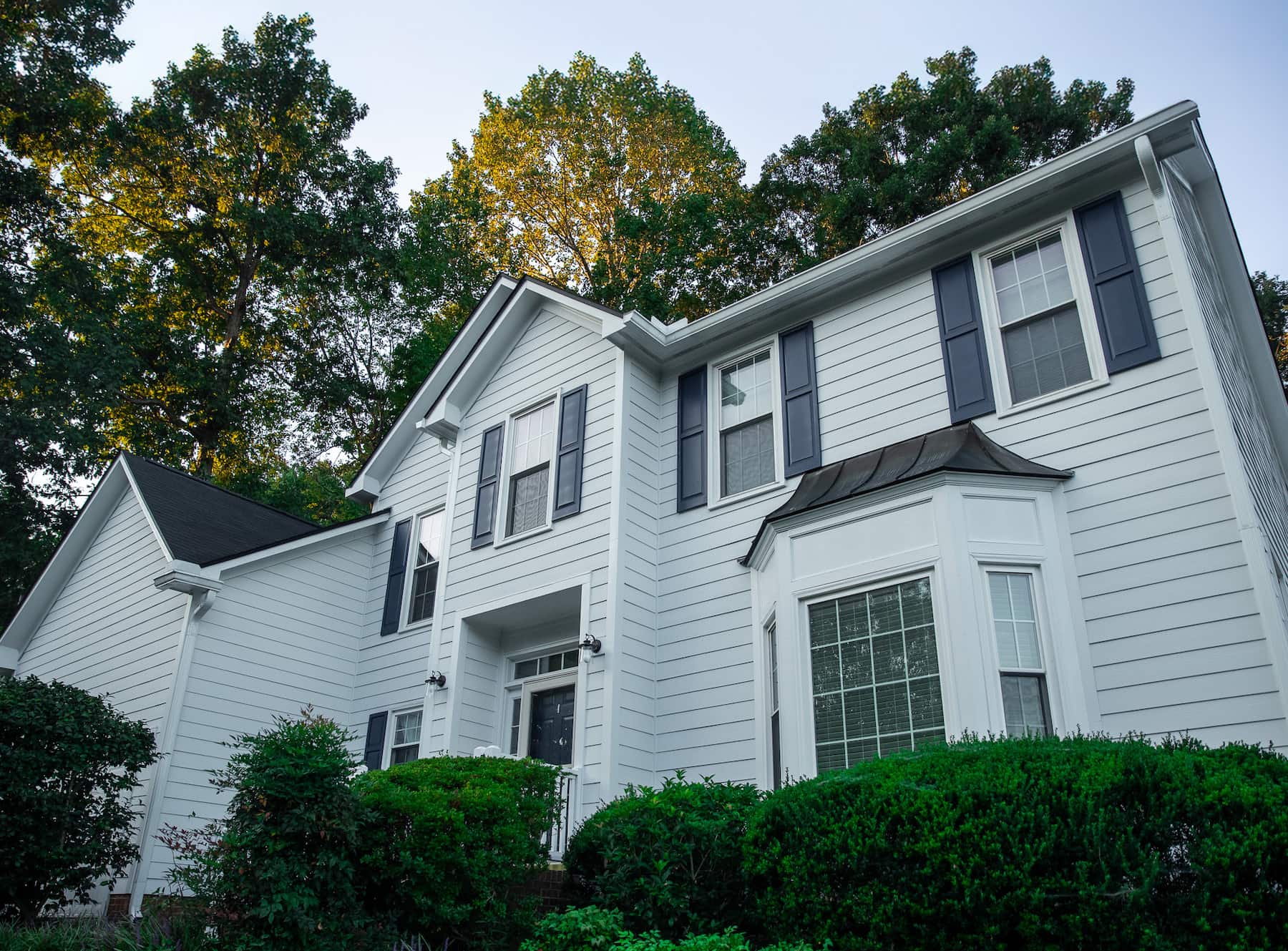
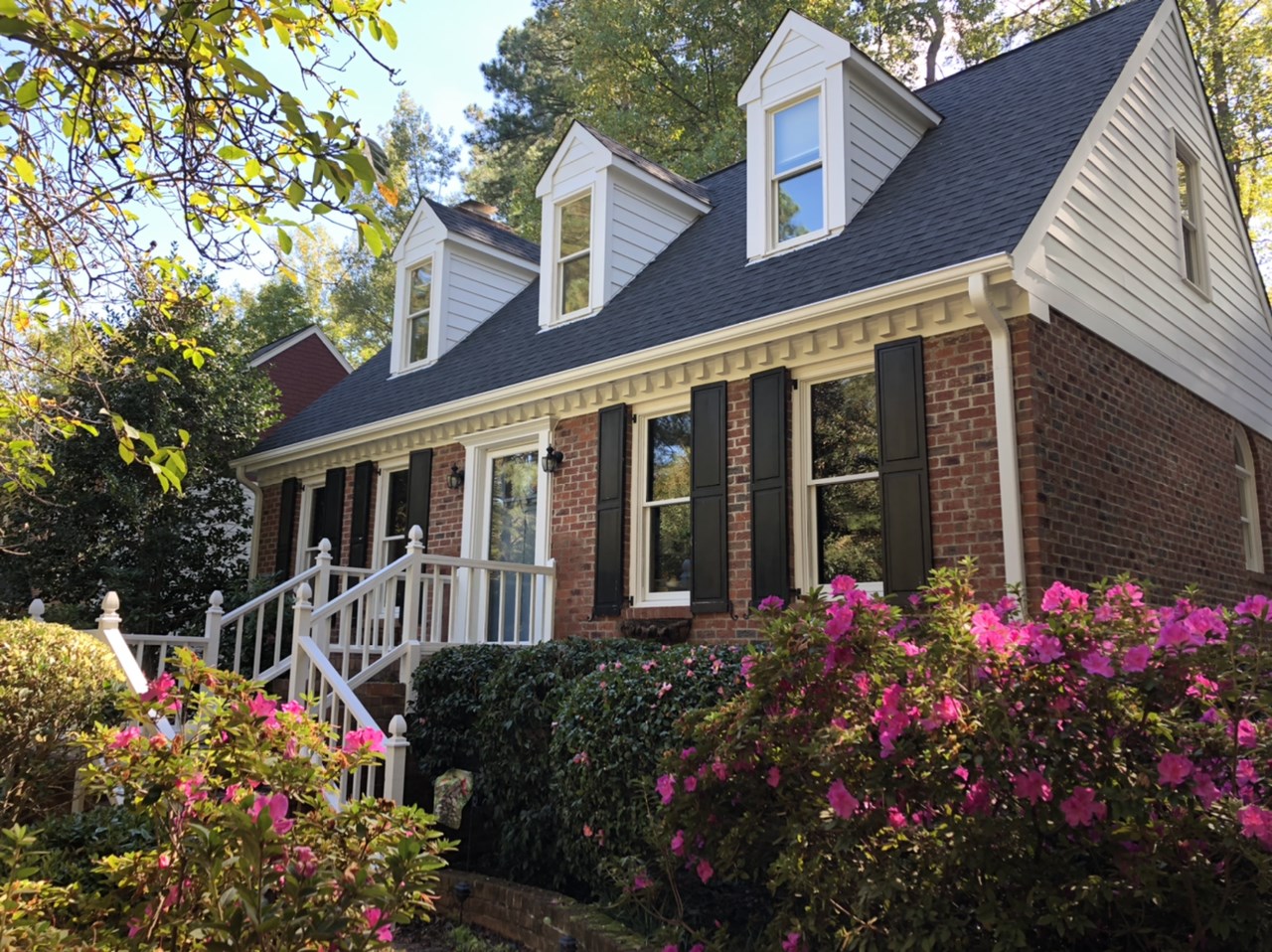
As essential components of your home’s roofing system, fascia and soffit work together to protect and ventilate the area where your roof meets your exterior walls.
The fascia is the long, straight board that runs along the lower edge of your roof, right where the gutters attach. It creates a clean, finished look while sealing the roof’s edge against moisture and pests.
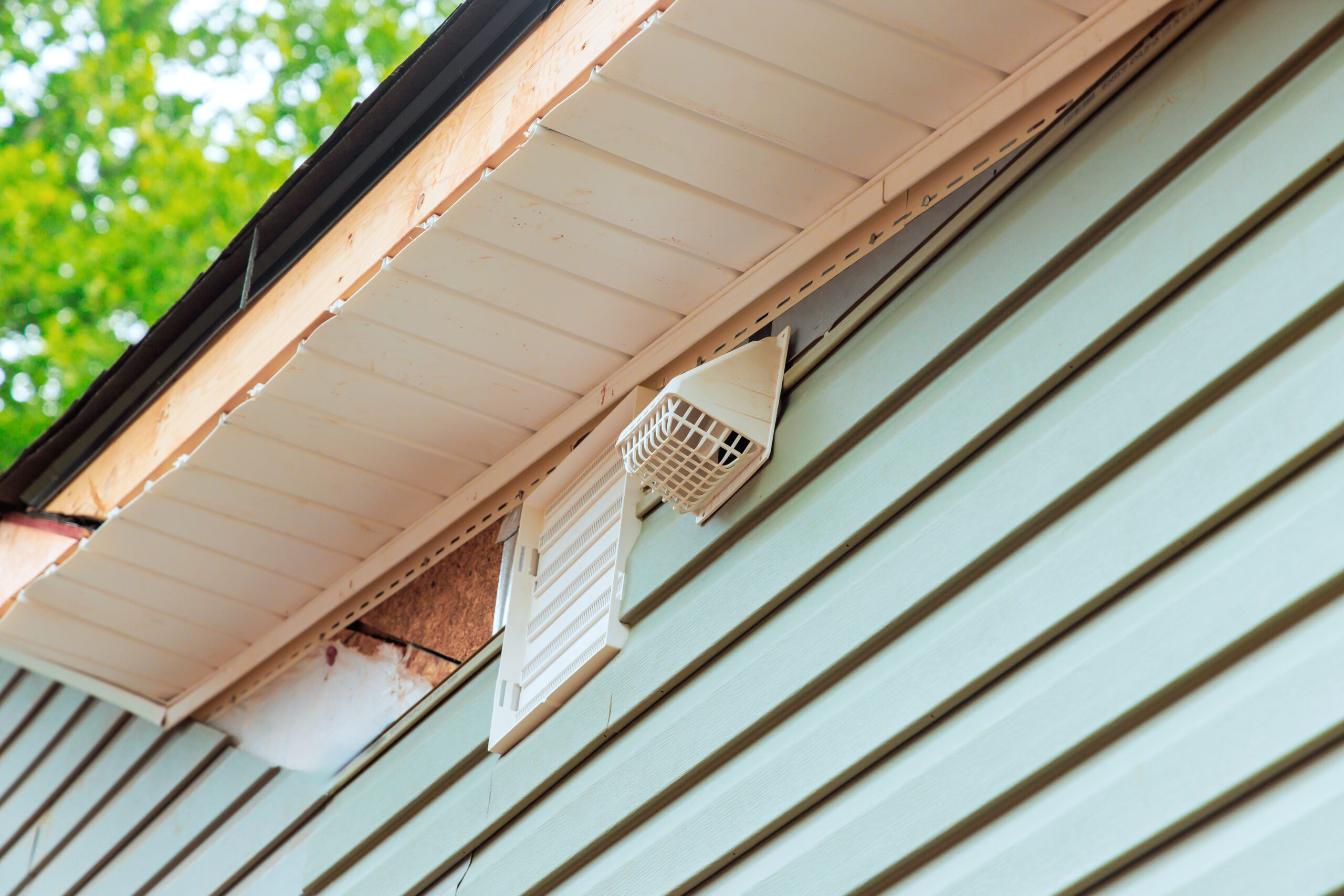
The soffit is the underside of the roof overhang, often ventilated to allow airflow into the attic to prevent heat and moisture buildup.
Together, fascia and soffit protect your home’s structural integrity, keeping water, animals, and debris out while promoting healthy attic ventilation. They also enhance your home’s curb appeal by creating a crisp, finished frame along the roofline.
Understanding why fascia and soffit are so important helps you see how these roofline elements serve a vital role in maintaining your home’s health.
Consider this: water damage is one of the most frequent and costly home insurance claims in the U.S.. According to the Insurance Information Institute, nearly 28% of all homeowners’ insurance claims stem from water damage and freezing, with the average claim cost at $13,954.
Now imagine the structural and financial havoc wrought by unmanaged leaks along the roof edge, or rot around your soffits, over time. That’s where properly installed fascia and soffit come in.
The fascia acts as a barrier between the edge of your roof and the elements. Without solid fascia boards, rainwater can infiltrate your roof decking or walls, leading to interior leaks and costly water damage. Fascia, working hand-in-hand with a properly functioning gutter system, channels water safely away from vulnerable areas.
Your soffits allow your attic to “breathe.” Without ventilation, warm, humid air becomes trapped, encouraging mold growth and ice dam formation in colder climates. According to the U.S. Department of Energy, balanced ventilation also reduces energy use and extends the life of roofing materials.
Any gaps or decayed wood spots provide easy access points for infestations that can cause structural damage over time. Well-sealed soffits and fascia seal access to your home, preventing birds, bats, and squirrels from nesting inside your roofline.
Fascia and soffit come in a range of colors and finishes to complement your home’s style. Their visual impact offers a smooth, finished look to your roofline, something especially valuable if you’re also investing in siding replacement or other exterior upgrades.
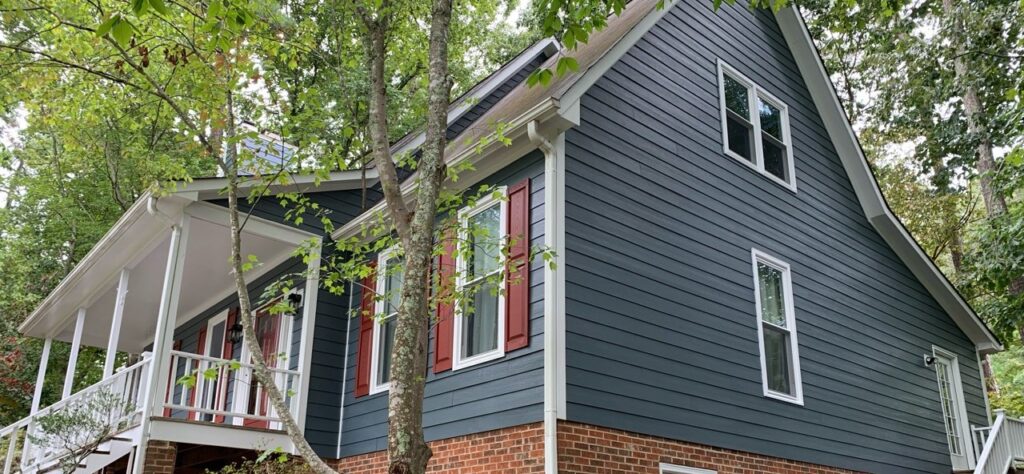
In short, investing in durable, properly-installed fascia and soffit helps prevent costly water damage, improves your home’s ventilation, and enhances its market value.
Even well-installed fascia and soffit can wear down over time. Knowing what warning signs to watch for helps you catch problems before they escalate.
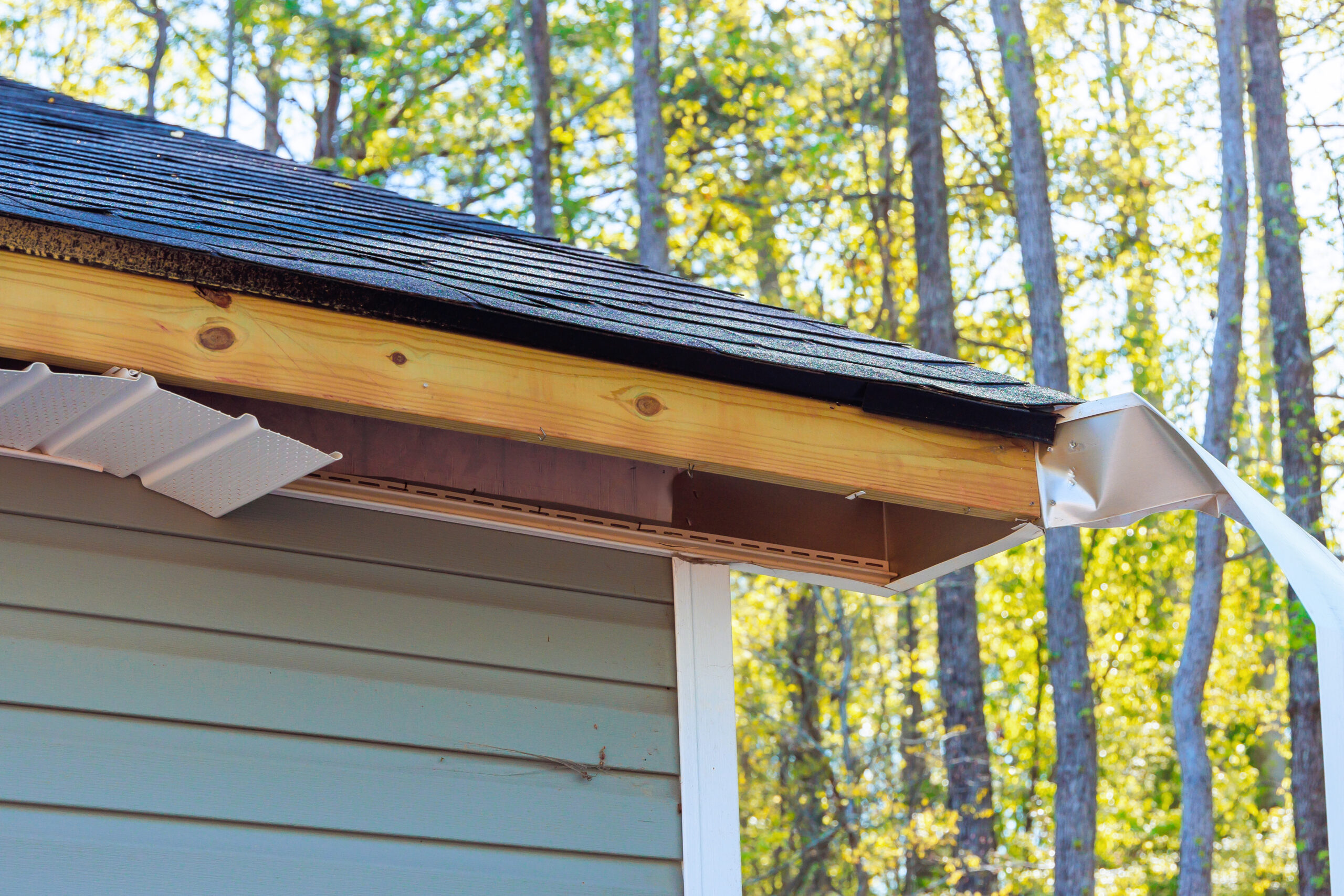
If you notice any of these, schedule an inspection right away. Early action can prevent widespread damage and costly repairs later.
If you’ve identified potential issues, the next step is determining whether repair or replacement is the best option for your home.
Minor issues like peeling paint or small gaps can often be repaired, but widespread rot, pest damage, or sagging typically requires professional replacement.
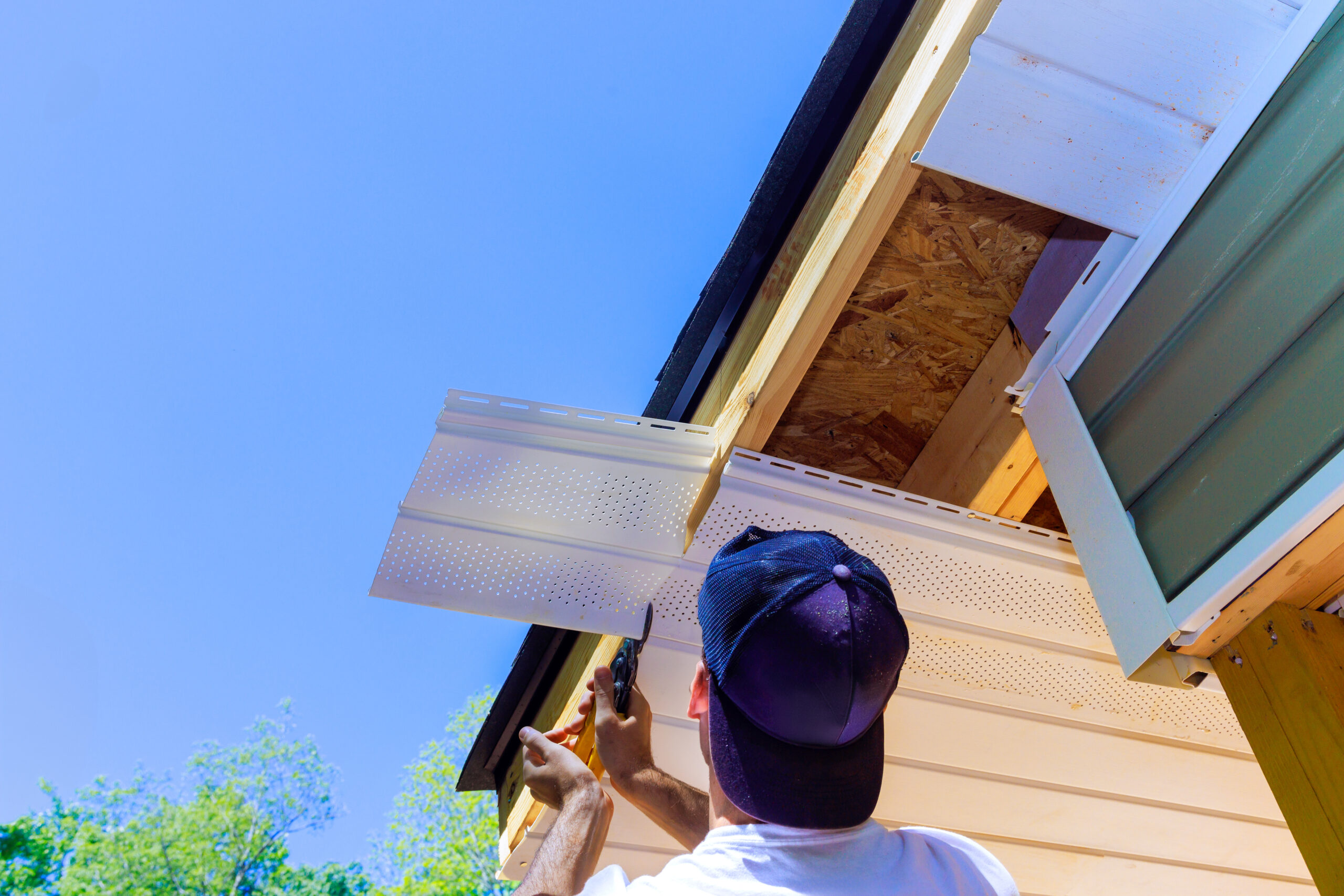
During a replacement, you can expect your contractor to:
Timely repair or replacement ensures your fascia and soffit continue to protect your home effectively for years to come.
The materials you choose for your fascia and soffit should offer durability and energy efficiency. Here’s a breakdown of your main options, including performance stats to guide your choice:
Vinyl is affordable, low-maintenance, and resistant to moisture. It’s available in a wide variety of colors, though it can become brittle in extreme cold.
Aluminum fascia and soffit are durable, lightweight, and resistant to corrosion. They’re excellent for homes in humid or coastal climates. However, aluminum is less effective at insulating compared to vinyl or composite options, unless paired with thermal breaks or other insulating measures.
Fiber cement or composite materials offer fire resistance, dimensional stability, and an upscale appearance. They retain structural integrity over many years with proper ventilation and finish.
While beautiful and traditional, wood fascia and soffit require regular painting or sealing to prevent rot, insects, and decay. If choosing wood, ensure you’re using pressure-treated or rot-resistant species, and monitor closely for moisture damage.
When selecting materials, consider how they align with your home’s siding system for a cohesive look and consistent performance.
Maximizing the lifespan and performance of your fascia and soffit starts with the right care and smart decisions. Our experts recommend:
Check fascia and soffit at least twice a year for water damage, rot, or pest activity.
Repair small cracks, peeling paint, or sagging boards before they escalate.
Select materials suited to your climate and home style—vinyl, aluminum, fiber cement, or pressure-treated wood.
Ventilated soffits prevent heat and moisture buildup, protecting your attic and roof.
Ensure gutters are properly aligned and securely attached to the fascia to prevent water overflow.
Expert installation guarantees precise fitting, proper ventilation, and long-term durability.
When replacing fascia and soffit, consider siding replacement, gutters, or roofing updates for a cohesive, high-performing exterior.
Following these expert tips helps protect your home, enhance energy efficiency, and preserve your home’s curb appeal for years to come.
Even high-quality fascia and soffit won’t perform as intended if installation is rushed or done incorrectly. Mistakes like gaps, poor attic ventilation, or improperly aligned gutters can compromise your roofline, reduce the lifespan of your siding, and invite costly water and pest damage.
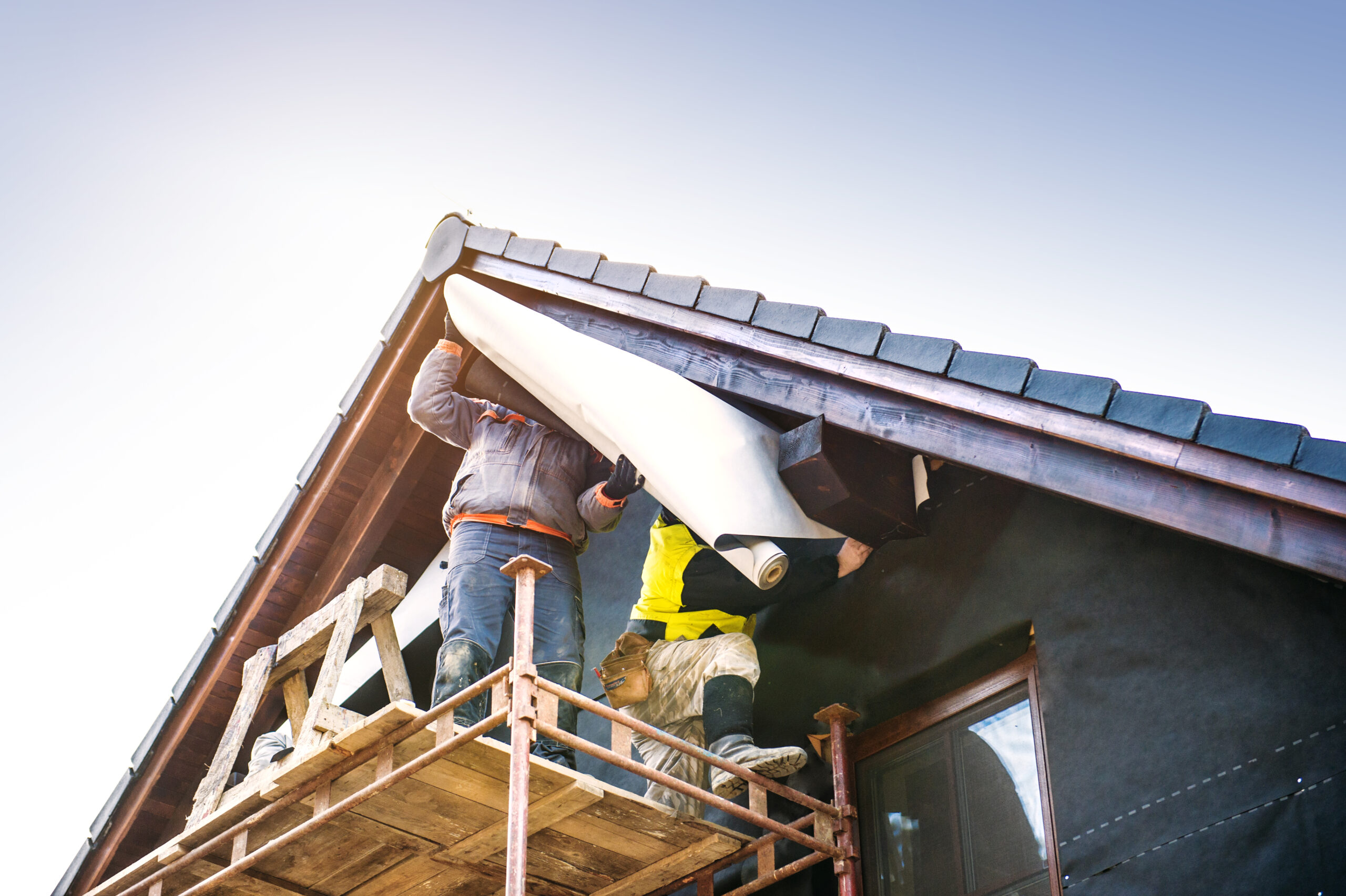
Working with a trusted professional ensures each roof component is installed precisely, creating a roofline that is watertight, properly ventilated, and visually flawless.
Since 2010, Carolina Exteriors Plus has combined over 90 years of remodeling and construction experience to deliver high-quality, lasting exterior solutions to homeowners across Wake County and the Triangle area.
At Carolina Exteriors Plus, we follow a structured process to ensure every fascia and soffit project is handled efficiently and effectively. Our approach includes:
Our team evaluates your roofline, fascia, soffit, and gutters to identify any damage or areas of concern.
We discuss the best material options and solutions tailored to your home’s style, budget, and climate.
Using precise techniques and high-quality materials, we install your fascia and soffit system with your home’s long-term protection in mind.
We review the completed work with you, answer questions, and provide warranty coverage (if applicable) for peace of mind.
This thorough, step-by-step process ensures that every detail—from selection to installation—is handled correctly, giving you a long-lasting, visually seamless exterior.
Don’t let minor wear and tear turn into major headaches. At Carolina Exteriors Plus, we make fascia and soffit replacement a straightforward process: you give us the task, and we do the work to give you the best results.
Contact us today to schedule your no-pressure, personalized consultation and discover why homeowners across Wake County trust Carolina Exteriors Plus for expert exterior remodeling that blends beauty, performance, and peace of mind.
The fascia is the vertical board along your roof edge that supports gutters, while the soffit is the horizontal underside that provides ventilation to your attic. Both are indispensable at protecting your roof from water intrusion and other damages.
With quality materials and proper installation, most systems last 20–30 years or longer. Regular maintenance extends their lifespan.
Yes. Proper ventilation through soffits helps regulate attic temperature, reducing energy costs and preventing moisture buildup.


Get a free, no obligation estimate.
Financing Available

Speak with one of our experience team members who can help you make the best decisions for your home. Give us a call at (919) 886-7587 or request a consultation below.
No obligation | Financing available

Carolina Exteriors is the Raleigh area’s most recommended and referred specialty replacement contracting company. Boasting an impressive 60% referral and repeat customer rate, we are the trusted professionals for James Hardie® HardiePlank siding, replacement windows, entry doors, roofing, and gutters.
© 2025 Carolina Exteriors. Sitemap Privacy Policy
Site by HipBip.co